Transcripts
1. Introduction: Thank you for joining me for Digital Marketing
for filmmakers. I'm a filmmaker myself, my name is Amal allo Ruby. I started making films in 2012. My first film, happy
Marathi got on the film festival circuit and I had to do all the promotional
work for that film myself. As my career grew and grew, I started to learn more and
more about what I could do to help promote
myself and my films. I learned a lot about
branding, creating a brand, creating a website, using my social media to reach
out to different people, create partnerships, and make
sure that I am established by carving out a little
space for myself on the web. This course is going to
help you as a filmmaker, brand yourself, and it's
going to help your films. So I will run you through different aspects of marketing when it comes to filmmaking. And the things that I learned on my journey including branding, creating bios,
creating brochures, business cards, getting
to film festivals, how to market yourself
and Film Festival, creating a website,
social media, how to manage that
social media in the hope that this helps you develop yourself as a filmmaker and your film-making career.
2. Project: preparing a biography and filmography: The way you write your
bio says a lot about you. So it can either be in
the first-person as in my name is
so-and-so and I make films about so and so
or it can be a mall is so and so she makes
films about so-and-so. So it can be in either
the first-person or the third person. And when you write a bio, you should be realistic. Don't show off too much. And there's a certain order, but the order can be changed according to the way
you want to present it. So e.g. I. Would suggest you start off
by talking a little bit about yourself, your name, where you're from, what your
educational background is, and maybe how you got into film. Then for me, chronologically, I go through the films that
I have made that has had significant in my life or has had a significant part
to play in my career. So e.g. I. Speak about halfway monarchy, which is a film I made in 2012. That was my foray and my push into the
film-making industry. And then here you can also talk about awards that
you've received, film festivals that
you've entered, maybe residencies that
you've been a part of, funds that you've received. You can add people that
you've worked with or even notable people
that you've worked with within the industry. And only if it's relevant, of course, to you, like I've worked with
JJ Abrams before, but not in a capacity
that would help me. So I can just throw it in there
and be like I worked with JJ Abrams was the director
of Star Wars. Who cares? How, how did that help me? Did he actually direct
something for me? Did he write something for me? Did we collaborate on
a project together? So if it's not relevant, I wouldn't put it in there. Then I go on to speak about
my mandate as a filmmaker. The themes that I like
to have within my films, themes of social injustice and how those things
are important to me. Where I find my voice, what inspires my
writing as I write, my directing visually, what
kind of aesthetic I like. The idea with a bio
is to highlight what your strengths
are as a filmmaker. Because at the end of the day, directors, directors or
producers will be reading this. Executives will be reading this. In the brochure. When people open film festival brochures, there's usually a,
sometimes a bio in there about who you are
and what kind of person. And you want someone to clock
on to a certain aspect or strength within your film-making and go towards you and know that they
have to work with you. One really great asset
that I have is I am from the Middle East
and I speak Arabic. And I've worked both in
the Middle East setting and in European and
Western settings. So I know both worlds. So a lot of people
who read my bio, whether it's on my website
or an a film festival guide, tend to approach me when they're looking to work with
the Arab world. They say, Hey, we've
seen your profile. Great. Do you have any contacts and Arab world that I can work with? And I say, well, you
know, I produce, sometimes I can help
you produce this film. I've gotten a couple of
projects like that produced for some documentarian and
other big projects just because I have
that contact base. So what makes you
special and how are you going to introduce
that in your bio? I have included at the bottom of this section
in the resources section my own bio that you can
use to write your own, and that one is a page long. I would recommend writing
something that's a page long, but then also I
make shorter ones. So I make a short synopsis
or a short bio, sorry. And then I make a
short, short bio which you can just
throw in there. And it's great to have
on your computer as a Word document because you
can save it as a PDF later. And then also you can just copy paste it in whenever you do applications or funds or
film festival or whichever, or whenever you're trying
to prepare anything. There's also a written
assignment that you can do, which is basically
writing a very, very short paragraph
about who you are and a little bit about your bio. Then also keep in mind
that you can change your bio and cater it
specifically to something else. So e.g. I've worked
a lot with children. I worked on a film called
The brain that sings, which is about autism. If a charity approached
me and said, Hey, we're making a film about children in a hospital
that we need you to film. I might go back and change that Word document
that I have on my computer, which is my bio. And talk about those films, say that I filled film
to climb of hope, which is a documentary
about two children. And then I also did
bring that same. So I have a lot of
experience working with children and I can
send that through. So you can always change
that and always refresh it. And I tend to refresh it
every year whenever I add projects or do something
that is of significance. So I would suggest
preparing a bio as part of your branding and as part of your
journey as a filmmaker.
3. The importance of knowing your brand: Branding, what is branding? Branding is an identifying mark. It basically means what
sets you apart from everybody else and what makes
you special as a filmmaker. E.g. for me, I tend to focus
a lot on the Arab world, arab culture, Islamic culture. Everything I do has
that spin to it. And then in terms of themes, I always talk about themes
of social injustice, identity because
they're important to me and that's what
I'm passionate about. And that's what I
want to be known as. I personally, I eventually
want to be an altar. That is someone who is
a writer, director, whose voice is very distinct in cinema that when
you watch a film, you know that that's an Amal, I love Ruby film or whatnot. So what sets you apart? Is it your visual aesthetic? Is it your dialog, your characters and
stories that you tell? You just make stick
animation, e.g. do you make horror
films that are very, very graphic and bloody
and cannibalistic, e.g. there are filmmakers like that. Why is it important? Because people try
and identify you. First of all, it's going
to help you in the market. When someone is looking for a filmmaker like you,
they know where to go. So if I'm an executive
producer and I think, Oh, I want to make, I want to make a horror film
about children. They think in their mind, okay, and it has to be e.g. a. Woman. Then they will think, okay, woman who's worked
with children before, who knows horror
was done horror. You'll be the first person
on their list, or e.g. if they're trying to shoot an action film and they want to shoot it specifically in Brazil. They're going to be
looking for e.g. filmmakers who speak Portuguese. And if you identify herself as that and you're
familiar with that world, then you will be the name
that comes up on that list. This is very important because we live in a sea of filmmakers. I mean, everyone's voice is kinda drowned out at this point, anyone and their mother
who has a camera or has a phone can be a filmmaker because
they can shoot everything. You need something
that tells you apart. The most basic thing we
can think of in e.g. the fashion world. And it's not just
in your cinema, but you as yourself is e.g. Karl Lagerfeld or an a winter winter has
that bob haircut that she sports
wherever she goes. And Karl Lagerfeld had the ponytail with the
sunglasses that he always wore. When you when you see
him or when you saw him? At any kind of fashion event, you'd know that that
was Karl Lagerfeld and that created an icon. So that's an example of somebody
who is in fashion, e.g. but in cinema we also have those stereotypes
are stereotypes. They're very unique. They, they pop out. I personally know a
filmmaker who dresses like he's just fallen out
of a steam punk film. Whenever you see him, he's got a waist coat, he's got a pocket watch, He's got spectacles
and a neat little bow. I always, always
dresses like that. So whenever you see him
at a film festival, you know that that's him. And you know, the
kind of films that he makes does a lot of war films. So when people are thinking, oh, I'll remember that guy, that guy who always dresses
like that. Yeah, yeah. So why don't we get
him for the film. And that's the thing that
really makes you pop. And then e.g. Mike Keegan, Michael Key and Jordan Peele were two guys who created skits, comedic skits on YouTube. And they got really,
really popular and people loved their stuff. And then Jordan Peele went
on to make the film Get Out, which is a horror film, very black centric, focused on black
culture within America. That was his theme. Those are films that
he wanted to make. He went on to make us. And he's continuing to
make films, but he really, really branded himself,
first of all, as a person. So everyone knew
that Jordan Peele was the canopy peel guy. So when the film came out, they're like, Oh, we
have to watch this film. And then once the film started
taking off, it's like, Oh, he makes these really cool, very different sort
of horror films. Let's go watch his
horror films and that's how you build a brand. Therefore, as a filmmaker, branding yourself is
very important and then broadening your
films is very important. We all know those
altars, like quitting, Tarantino was one
of my favorite too, is very great and good
with his dialogue. And whenever you
watch a film and I was watching, I can't remember. It was I think it was a
Chinese-made film at one point. And it sounded very
Tarantino ESC. And I waited until
the credits rolled. And lo and behold, he was the rider on the film,
wasn't the director. You couldn't see it anywhere. But just the way people were acting, the way
they were speaking. You could tell that that
was a film and that is invaluable when it comes
to a filmmaking process.
4. Your films - who's your audience?: I want to talk a little bit
about knowing your audience. This is not as essential, are crucial because it
depends on what kind of film you're making
or film maker you are. Every single time
you make a film, you prepare a film,
you pitch a film. People ask you,
who's your audience? And you have to say, well, this is geared towards
13-year-old boys, or this is geared towards
sixth year old women. That's a different story. But knowing what kind
of person watches your film is also very useful. And usually you
can find that out. When you go to the cinema. When you're watching
your film, have a look. How many people are there, what kind of people attend
and watch your film. At the end of the day, you want everyone
to watch her films, but just having an
idea of the kind of audience that you target
through social media, you can find a lot of
stats and you can curate your content for the
audience that you attract. When I make a film, I don't want to think that only 13 year old
boys would watch it, but it really helps keep that in mind when you're
creating the story. And when you're
thinking about who, what kind of filmmaker you are. E.g. if my audiences
is children, and I create children's films, and I'm known to
be a filmmaker who specializes in children's films. That's very useful for me, not just for my brand, but for my audience and
knowing my audience. So then I know what
places to target. If I'm making my next film
with Cartoon Network, e.g. then I know where to go. I know that I can
speak to schools. I know that. I can speak to channels that
specializing in like e.g. Nickelodeon or whichever. So. Just keeping in mind
who your audience, who your audience are for
yourself and for your films.
5. Getting press coverage: You are only relevant when people are talking
about two in the media. This is why as
actors or actresses, there's always some celebs thing happening that
draws people back, draws their attention
back to that person. The biggest example
that I can think of is Katie price and Peter Andre. Peter Andre was a singer that was pretty big back in the '90s. He made a couple of
hits and now people tend to forget about him or
have forgotten about him. Then was with Katie Price who was equally as
prominent in the media. And then things just
sort of stopped. But now in the UK
you still see and read articles about Peter
Andre and Katie Prize. So it seems like they're still relevant and it
seems like they're still doing things within the industry when in
actuality they aren't, you know, it's sort of KT price. Katie Prize for this or
she dressed like that or she got Botox things
that are irrelevant. But the fact of the matter is, and this is also a sad reality, but this is the truth. You need to be prominent
within the press. The more people write about
you and the more articles, podcasts and more time
to appear on television, newspapers that people
know and hear about. The more you are spoken
about within your industry, the more weight and value you
are given as a film maker, whether you are writer-director,
even actor, actresses, or any one in the industry, you need to be there. So I recommend that if
you have a website, when you have a website
which you should have made sure that there's a section on
there just for the press. So people can have an idea of who you are and
what you've done. And I've included that in the resource section
so you can see my press section and the things that I've
been involved with. And this is just
great for exposure. Because you need to be exposed. People are talking about you, people are talking
about your films, talking about your work. You still stay fresh
in their mind. And there's only
so much marketing that you can do actively. And then there's
the passive stuff. So actively you might
be on social media, you might be putting your own content out
there all the time, but then there's passive
stuff is Vogue has written an article
about you that goes on to somebody else picks up and changes or they say
all we see new involved. We want to interview you
for a podcast or we want to do a YouTube video about
two etcetera, etcetera. Get your name out there. That's what's really important
to get yourself out there. Approach people, say, do
you want to write about me? I remember when I
first made my shirt, my first short film. There was a guy that I was
speaking to in Canada who is a specialist in
product placement and I don't know how he found me about the family on Twitter. And we will just kind
of keeping in touch. And he said, Oh, in
the past and he said, Oh, I write for a magazine. When my film came
out, I said to him, Do you do want to
cover, Do you mind? Likes maybe speaking
about my film because it's about
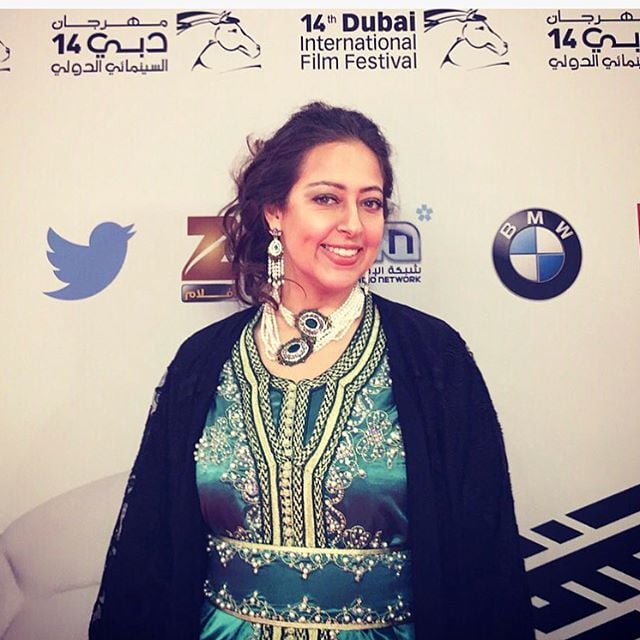
people who are mixed living in the UAE and it's become the most watched
film at Dubai Film Festival. So could you cover that
for me? And he goes, Yeah. Okay, Sure. So he wrote an article about
it in a Canadian magazine, like people in Canada. I mean, even if one person or two people read that article, which I'm sure more people did. They know about me, they know about my work and I'm an itty-bitty UAE and they're
all over here in Canada. They know about my
work and who knows? Maybe some of them thought, Oh, this is really interesting. Next time she makes a film, I'm gonna go and watch it
and this is what you need, this is what you
want as a filmmaker. It's all about creating that buzz and getting
people to watch your stuff. It's very key and peel guys, it's very like let's
go and watch this now, this is what we need to,
this is who we need to know and this is what
we need to watch. I would recommend doing that and maybe start off
by making a list of all the press that you've had since you've
started in the film, film business or making
films or writing whichever and then making a list
of maybe newspapers, magazines, websites
that may want to include you in your
country, in your region, or even internationally
that you can reach out to and you need to have
something in the works. You can't just
reach out to them. Be like, Hi, I've been sitting around for
five years doing nothing. Do you want to write
about me know, because that's not news. You need to have made something, made a short film, written a piece, whatever it is.
6. Social media and filmmaking: As somebody who works
in the film industry, I cannot emphasize the importance
of social media enough, this is extremely,
extremely important. I know there are a lot of
technophobe is out there. I know there are a
lot of people who are not interested or want to stay private
and that's fine. Have your own private account. But you need to have people access you through
social media because that is the number one place that
people go to and search when they're looking for
a particular person who is working in
the film industry. This needs to stay active. You need to keep people up to date with the
projects that you do. Contact information, who
you are, where you've been, what you've done, you know what, if you can hire
somebody to do this, then hire someone to do it. I do it when I'm at
film festivals because especially if I have a
film at the film festival, because I'm so busy
running around, doing press junkets, attending talks,
attending screenings, whichever it is that I don't
have time. Sorry about that. I don't have time to keep
updated with my social media, so I hire someone
during this time. They make sure that they are consistently on
Instagram, Twitter, Facebook, whatever talking about the film that's in
the film festival, tickets are available,
tickets are running out. You can meet them all here. You can do this there. This is what we're
doing, this is who we're collaborating with. These are the new projects
that we've announced. So I think typically
you can find social media managers for
roundabout and maybe $2,000, maybe less, maybe more a month. Usually people get you on or do you get them
on a retainer basis? So you say, OK, I'm
going to pay you $2,000, used $2,000 worth of
social media marketing. They might charge
you additional for the actual ads that
they put out there. There are loads of options, um, to hire someone
to do this stuff. If you can't hire someone
to do this stuff, you'll have to do it yourself. So I want to talk about scheduling your social media because that will
really help you out. But before I talk about
that in the next lecture, I just want to mention my
most favorite and most loved, most loved website,
which is canva.com. I have included a link in the resources section
for you to check out. It is free, you can
sign up for free. You can use it for free. Although some parts are
restricted but not, I mean, you can still use it, it's still absolutely fine. The reason that I
love Canva is that I use it for pretty
much everything I do. Whenever I do anything in the
industry like social media, you can make little images. They look very professional. You can make documents, you can make postcard
looking things, you can make Instagram posts, you can make
Twitter, everything. And I just use
that all the time. And you can just save them as JPEG files or PDF
files are PNG files. I absolutely love
that, that website, so please check it out
and sign up for it. And I would recommend that
you use this whenever you're using any of your social
media onto scheduling
7. Social media - scheduling your posts: Social media is a
way to keep active and keep people
updated on your work. And there is such merit
and value in preparing everything ahead of time and scheduling it so that it
goes out at a certain time. You can do this either manually or you can do this
automatically. So as and when things happen
or just automatically, if you ask me how
often you should post, some people say every day, actually, I can't do that. I can't do that and
I could automate it. But the problem with me
is I probably don't have enough content for
every single day. I don't want to just put things
out there for no reason. It's like, Oh, there's
a picture of me on set. Even though it's
great because it keeps people fresh in your mind, there are two ways
that you can do it. The first way I ever learned to market my films was
when I was working at a production company
and I was in charge of managing the marketing, which was pretty hardcore. And the head of
marketing had given me something that was
like a schedule. And I've included one in the
resources section for you. It basically shows
all the portals of social media that you have. You write things ahead of time, especially when you know
things are coming out. So e.g. if you have a film
that you are releasing an August August 13th
because it's my birthday. Let's just say August
13th is the day. You want to start
rolling out information about that film in June, then you would have a table
on words just to say, okay, 1 June, it's going to type
it in to e.g. Twitter. You type it in and
say, hi folks. Are you guys excited? We have a sneaky little
surprise for you coming out this
August and then June, the seventh, next
week you might have an image of the back of
somebody working on set. Just being like excited yet word on the street has it that we're making a film about rabbits, a man a week later, you might have another
thing or a day later, it just depends on how often
you want to schedule this. You might say, alright, cat, rabbits out of the bad guys were shooting a
film about rabbits, short film, baba
blah, coming soon. And then throughout July
you might tease them with a few more images or videos, or Eclipse or interviews or
sometimes viral campaigns. If anyone had seen
the film Carey with, oh gosh, what's her name again? That's gone. Gone from my mind. It's gone from my mind, but carry, basically it's telling kinetic and
it's a horror film. And she can move things
with her mind just by sticking your hands out. To market the film. They got everyone inside
of cafe and the rig, the cafe, and they've
got a girl to go in there and basically
order a coffee. And she somebody came in, annoyed her and then
she was like Get out of my way and she did this
and the guy went flying. And they actually had a harness and pulling him or whatever. And everyone was like, Oh, in the cafe because
it's a real cafe. And then she was like, Oh
my god, what's happening? And she like, she went
like this and they push got all the tables to move at the same time and everyone freaked out because
they thought it was real. Then they are just
like haha, no, this is actually a film
called carry coming out. So everyone in that
cafe was like, wow, cool, I wanna
go watch this film. So there's very innovative and creative ways that you
can obviously market it. But we're talking specifically about social media
and scheduling. So when it comes to that, makes sure that you drip this content and
you can have that manual file on your computer and then it's just a
matter of copy-pasting. Oh, it's doing the first
copy paste that in. We should put something on
Instagram at this point. But then basically
you've prepared yourself for a whole month or two
months or three months ahead. You can also do
this automatically, and I sometimes do it using a website called
buffer buffer.com. You can sign up for
free for buffer, and they only give you a
certain amount of posts that you can put up so
you can't prep like, I think more than a month in
advance and you can't have maybe more than I can't
remember ten or 15 posts. And you can have more
than one or two accounts. So I have my Instagram account and I have my Twitter account. Those two accounts are
like on the goals, so I have e.g. I know that. What month are we e.g. in December. December for us in the UAE is the
UAE national day. And I like to do something
for National Day on December the second I
have a schedule setup for December the second there's a photograph of me
that's going to go out there and photograph
of the country going out there with a
little announcement, a little chat, a little
talk, whatever it is. E.g. on May the 4th,
it's Star Wars. Star Wars. They may the force be with you. I have a post. Good to go on that day because I know that people will
be searching for that. I have a picture with with the creator of Star
Wars, George Lucas. We once had dinner together. We went to a dinner
together and I have a picture of him and me. So I always put that
on May the 4th. And anyone looking
up may the force be with you and we'll see
that and just be like, Oh, that's really cool. Oh, she met him. I don't know what
they're interested. They'll follow me. They'll follow me
on social media. And it's a way to grow
and build your audience. But I use buffer for that. I recommend buffers in the
resource section, it's great. You should check it out and
make sure that you schedule your posts whenever you feel as comfortable,
whenever you feel. And then with the
automatic thing is great because it can just go out as and when and you don't
need to worry about that
8. Social media - Twitter: Okay, Let's talk about Twitter
for those people who don't know what Twitter is.
Where have you been? No, I'm kidding. So twitter.com is a
website where you can just tweet very,
very short words. The great thing about Twitter, it was very hot back in the day. I joined Twitter in 2010. And it was great
because it builds a community and it
helps you reach out to people that you would
have not reached out to otherwise are not met otherwise. So e.g. for me, I met Eva do Varney
at a film festival. I followed her on Twitter. She's still on my Twitter and I can follow up her news
and see what she's up to. Sent her messages if I want
to, she might send it back. She might not depending
on how busy she is or how connected she is and how relevant I am
in her life, who knows. But it's a great way to reach
out to different people. Don't be offended if people
don't get back to you, but it's nice to keep
updated and I get some nice responses from people that I don't
particularly know. Twitter. Everyone talks
about verification. Once you get that blue tick, you become popularity and
become one of the popular ones. I used to have a
verification badge. I changed my name or my handle on Twitter
and then it vanished. And I'm like, okay, but
it's probably worth having. So people know and
identify you as you. And on top of that, it's just a great
way to connect. You find a lot of jobs on there. You can follow a
lot of people who are within your industry, within the film
industry, writers, et cetera, send them
some nice words, find out what's going on. You keep updated with the news. I don't update
Twitter all the time. I'm not very active on Twitter, not like I used to be before, but during the times that
I have a film out or on film festival circuit or whichever than I tend to
be a lot more active. I will also check it maybe every couple of days
or when I'm just sitting around and just check
it and see what people are up to and just keep
updated with the news. I would recommend getting a Twitter account
even if you don't use it often you have that handle because then people
can tag you in it. Just watch that great film by x. And this is important of course, because I was watching, I watched some of the
Sundance shorts which they made digital for
the corona period. I had to watch that online
and I watched the short film, a horror film that
Absolutely loved. And I'm like, Who
is this filmmaker? I have to find him. And I searched for him. I couldn't find him. Then eventually I
think I found them on Twitter and he posted something
from back in the day, but I sent him a message just to say really loved your film. Looking forward to
your staff and to see where you're going. And he didn't respond. But I just think it's important because if
I'm an executive or if there is an executive looking
for your work and they can't find you on any of
the social media outlets. That's a bit of a problem. So Twitter is one that
I would recommend
9. Social media - Instagram: Instagram. Instagram is probably the
hottest social media outlet. I would say that around town now and
great for filmmakers, anyone in the film industry
because it's visual. So the great thing about
it is that you can, e.g. for me, I've started
putting some of my short films on Instagram. People can watch
it through IGTV. Images. Me working on saddened me
meeting different people. Some of my work, some of
the things that I do. I think it's very important. And during the corona period, I made a story or
I put an Insta, story out there that went viral and I gained a lot of
followers out of that. And from there, it just kinda blew up and I got
so many different offers speaking arrangement
that lead to more press coverage like we were talking about
earlier about Press. And I just think it's a
fantastic way to reach out to people and see what
their work styles like whenever I'm looking for
cinematographers, e.g. that is also one place that I go because a lot of
cinematographers will put their work and their
visual aesthetic on there. The things that
they've worked on, which is great actors
and actresses, little skits that
they've done a little, I'm casting tapes that they've done images of them, et cetera. Always, I always check it out. Composers always check it out. I mean, for me, Instagram
is the number one place. And to stay connected, I have some points here that I wanted to just read through
about your Instagram. Well, the first thing
about Instagram is you should know your audience. You should plan ahead, like we spoke about, scheduling like and comment
on accounts that are similar to yours, use
relevant hashtags. And for those people
who don't know what hashtags are, basically like. Little hashtags, signs or
do you can put in e.g. I. Put an Arab filmmaker because
I'm an Arab filmmaker. If somebody looks
up Arab filmmaker, my images will pop
out, which is great. It's a great way for people
to find you if I'm in Los Angeles and I tag
myself in Los Angeles, e.g. when I was at the Oscars, someone reach out
to me when, oh, you're here at the Oscars, so, um, I would love to see you. Let's grab coffee, let's
do this, let's do that. So it helps people
know where you are. I'm quite a private person, so I don't put that
stuff all the time. I only put it when it's
relevant to my work. And then obviously to a push yourself forward,
collaborate with people. And that's a little
bit more intricate. That's the second
step of marketing. But if you had a social
media marketing manager, then they would find a way to get influencers involved with you and maybe run a
campaign together and help you grow your account. That's something that
I don't do much of and I've never really had
the opportunity to do. But that is something
that you can look into and there's always new features coming out on Instagram filters, things that you can use
in order to reach out to people and to spruce
up your account. Also, if you're a
filmmaker that has, I think over 1,000 followers, but you can change it
to a business account. And a business account
will allow you to add business information, contact information, maybe
a tad towards your website. And then eventually when it
grows and grows and grows, you can use the
Swipe Up feature. So if you have something
on your Insta stories, people can swipe up to learn more and it'll take them
to a different website. And don't forget to put
in contact information on your bio and write to people and thank people and
keep in touch with people. Throughout your
direct messaging. I think it's a great way just to show people that you care, that they care about your work. And you never know. I've run so many
crowdfunding campaigns and the majority of my supporters
come from Instagram. I put my Instagram, I put the crowdfunding link on my Instagram website space. Now there's a new thing that you can use called link tree, which I will also add to
the resource section. It's also free, but
basically what it does is it allows you to add multiple
links to multiple websites. So I've got my website, I've got my IMDB, I've got a couple of other
things that I do on the side like trading or
anything like that, which I also have a course
about if you're interested. I just include that
all on my Instagram. I recommend that you use this. If out of all the
social media platforms, you are going to use one, please let it be Instagram
10. Social media - YouTube: Lastly, in the
social media sphere, I'm going to be
speaking about YouTube. I recently started a YouTube
channel and the reason why I feel YouTube is great
is exposure, not money. Unfortunately, it
takes a long time until you actually make money from your
social media channels or from your YouTube channels. But I think it's a
great way to share the love and just
get it out there. At the end of the day,
we are filmmakers, we are in the film industry. So just having a couple of YouTube videos
maybe about you, you working you want so you
don't have to update it often because it can be
used as a resource channel. It can just be used as a way
that people can come and access it and just see
what you're about. Or if you have a distinct voice, or if you're a social media, if you're a YouTuber, which is completely different to a filmmaker, in my opinion. But if you are a YouTuber, one thing that you can do is obviously make a channel about something that interests you and consistently put
stories out there. There are things that work
there, things that don't work, but there will always be a
market for what you are. What you are exploring. Youtube, I would suggest, I would recommend it actually. And I use it myself. It takes a lot of time and
it takes a lot of energy, but That's something
else that you can do.
11. Social media - TikTok: Lastly, there's
very up and coming hot social media outlet, and that is TikTok. So I started my TikTok, I actually got a
company to do it. They were a social media
management company that I paid a retainer fee to and they
would post on my behalf. Now the problem is a lot of these companies don't know how to do films specific things. So that can get a bit difficult, but I have not had
much response or much many outcomes are much
outcome from TikTok itself. But I would say it's very handy to connect
with other people. Like you can see here, I talk about film festivals, I talk about shots. I even give information. You can see me here
on set doing 48 h. Weekends are a little bit
of background on that. And just keeps people in the
loop with what I'm doing. And recently, because I was
at Cannes Film Festival, I posted a bunch
of stuff on Can. I was talking about the
writer strike in Hollywood. Like and then also, let's talk about distribution. There's a short film with a feature length
film, a short film. And then here a
little bit about him here at the film market
and what doesn't work. And I actually found my response to this was quite positive. People were asking questions. That's a great question, yes, I guess it's a great
way to connect to filmmakers and people
who want to be involved. And then here you can actually see who's viewed your
profile, who's followed you. And just recently I've just gotten a whole bunch
of people follow me. So I would definitely
recommend that as well.
12. Growing your audience online: Let's talk about
growing your audience. In order to grow your audience. First of all, you need to
know who your audience are. And most of the social
media channels have a way where you can access
statistics for free. So you know who's
watching, you know, who's clicking when they're clicking and how often
they're clicking. I had a look at this
and I would like to share some of the
information that I found. So apparently the
best time to post instagram pics is
9-11 am USA time, which is one to 03:00 P.M. UK
time or 07:00 P.M. UK time, which for me would be six to
76 to 09:00 P.M. UAE time. I'm just going to run
you guys through some of my stats that I
found on Instagram. Obviously, well, not obviously, but actually most of my
followers are from the UAE. 60% of my followers
are from the UAE. 5% are from the US, nine from the UK,
nine from Egypt. On my car, I don't
know anyone in Egypt. And 3% from Saudi. I actually have more men
following me than women. Um, and most of them are
within the 35 to 44 age range, which is pretty much my
age, a bit older than me. And it basically tells me
when is the best time to post the what's the best
time to post for me? So e.g. to autonomy is one website that you can
use in order to check. Twitter. Instagram has one for free where it tells you when
the best time is to post. And if you're using a
scheduling service like buffer, e.g. which we spoke about. You can plan those so you know, when they come out. So for me, 80% of my followers speak English
and 13% speak Arabic. And it annoys me a little
bit because I am bilingual, but obviously I'm
stronger in English. And so it doesn't only
me when people say, well, you should create
content in Arabic. And I was like, well that's
not really my market. So you don't want to get into the nitty-gritty of those things because at the end
of the day you're a filmmaker and your
marketing as a filmmaker, you're not marketing
as a market here. You're not a social
media influencer. You don't need to feed an
audience what they want. When things went viral for me. Over the corona period, people started saying,
Well, we want to know more about your life. Where do you live, your
parents, your siblings, what you do, what you eat, what your house looks like. And I was very
uncomfortable with that. I know and I knew that
that's what people wanted, but I was not willing to
give people what they wanted because that's not
my, I'm a filmmaker. And the end of the
day I said, Look, I'm going to make content that's important to me what I
like and what I enjoy. I want to speak about my films. If you want to hear
about my films, great, That's what I'm here for. If not, I am going to find it very difficult to create something
just for you. Just be true to yourself. You don't want to
be a sellout, just, just be true to
yourself basically. But yeah, you can find those
stats all over social media
13. Grow using search engine optimisation (SEO)?: How else can you
grow your audience? Well, if you have a website, you can use something
called SEOs. Seo stands for search
engine optimization, and basically it's
a way of improving the ranking your website in
a search or search tool bar, however you're using it. And so the words that you use on your website
are extremely important to the way people
search for them. So e.g. if you are like me
and Arab filmmaker, and I use a word like Arab
filmmaker and the tag, if I'm writing a
post or whatnot, that's going to help
elevate my website so that when people
go on Google and they look up Arab filmmaker, I become one of the first,
second, third, fourth, or at least on the first
page of the website. And that's really
important obviously because it helps people
find you faster. It's a little technical. Seo we can go, I mean, there are courses
and courses on, I'm not going to cover it there. But you just need to be
aware of it because I'm sure many people who are filmmakers are not
super technical and IT, and all this kind of stuff. As I mentioned, I use squarespace.com to
create my websites. And then there's a section there where it shows you a little bit about SEO and how to
create it and so on. And you can do the search
on your own terms, but that's just one way of
growing your target audience.
14. Grow by blogging and vlogging: Another way to grow your audience ship is through
blogging or vlogging. I know, I know, I know it's a lot of hard work, but for those people who
are interested in doing it, when people come to you, they come to you
not just for you, but also for information. So e.g. if you are a filmmaker, well not if, if
you're a crew member, if you're a cinematographer,
music composer, people will come to you
because they want to know more about you and because you
understand your craft. So if you have a website where you talk
about those things, then more people are likely
to come towards you. I found one of my sound
recordings on a blog, on his website, and he
is actually a blogger. So what he does is he talks
about sound and he talks about how to change
sound managed sound, the latest sound equipment
and recording equipment. And he knows a lot
about his craft. And he posts like every
week or two weeks, an article about these things
he makes logs as well. Little website like
PIM talking about like this is an
omnidirectional microphone. So you know, that
guy knows his stuff. And so I reached out to him and said, Look,
I'm shooting a film. Will you come and do
the sound for me? And he said yes, and I got him over and I didn't have to explain
things to him. I knew I knew that
he knew his stuff. If you want to be
that kinda filmmaker, if you want to be
that kind of film professional than
vlogging and blogging will bring more of an audience towards you and you might get something out
of that as well.
15. Grow by writing for others: Another thing people do is
write for other websites. Now, if you are a filmmaker and people want to know your opinion or your writer and you have some techniques that you
want to share with others. You can always get on a
different website and say, listen, this is what I do. I'd love to write an
article for your website that draws in their
audience as well. So e.g. I. Write a lot of short
films because I make sure I can get to, I don't know. I know it's kinda crazy. I'll just say
Cosmopolitan magazine decided that they wanted to do a little piece on women
writing short films. I reach out to them and I say, I'm a filmmaker, I write
a lot of short films. Can I write an article for you? And they say, obviously sure. They might pay you, they
might not. Does it matter? No, because you're doing
it for the exposure. So you write an article for Cosmo about how
to write short films. They will say article written by a Malala Ruby, which is me. And then the end, I
put all my details, my Instagram and for blah, blah, blah, YouTube channel, whatever all the information they
can use to contact me. They read Cosmo, they don't
know anything about me, but through that article
they discover who I am and I get a certain amount of people or audience
ship from that. And that helps me grow. If I do that enough, if I right one for Canon because I use Canon
cameras when I shoot. If I write one for Cosmo, if I write an article for a fashion magazine about how I dress when I go to
film festivals. If I do a blog post for a friend of mine who does film reviews and I talk about documentaries, then think about how many people I'm actually drawing
into my account. And you can do the same
in the same way if that's something that you have the
patients and stamina for, keep in mind all of this, the tracks us from
what we actually do, which is film-making,
but actually marketing and film-making these days
really go hand in hand. So you really should
be aware of this
16. Grow through targeted mailers: Lastly, to grow your audience, you should be using
mailers than number one. Number one, most
important thing in life, it's basically creating
a mailing list when people are interested
in you and your work, and your films, and your
cinema and your writing and your music and
your whatever it is. They need to come to a
place where they can come and dump their
email address. Because once you have
that email address, you have grown a niche audience who are interested
specifically in what you do. And that is invaluable
because if I have 3,000, 5,000 people who I know
are interested in me. If I Male 5,000 people who know, who are interested in
a Malala groovy films. You can bet your bond cycle that at least 100 of
those people will show up to a screening
that I have out of 5,000. On websites like Squarespace, you can create mailers and
mainly an e-mail campaigns. You can either send
it out yourself, although if you use Google
or use any of those, they'll block queue
for spam if you continuously mail a lot of
people at the same time, That's why you can use
things like Mailchimp. I use that as well. Every once in a
blue moon for me, I just do it as and
when I have stuff, I will send the mail or out
to people and I'll say, this is what's going
on with my life. This is what's going
on in my life, guys, I have a film that I'm writing,
which is a horror film. I have a film that just came
out. It's a short film. Here's a link. You can watch
it on my Instagram IGTV. There's a sweepstakes
competition. I'm giving away a signed
copy of a script of mine in exchange for you
supporting this charity. I also wanted to wish you guys all a merry Christmas
and Happy New Year. So you just send it
all out at once. Maybe at the end of
the year just to recap what's happening with you. I just got signed by an agent and it's
the end of the year. I think 2021 will
be a fresh here, but the end of 2020, or write a mailer out to
all my peoples to say, Hey guys, I just got signed. Here are the details
of my agent. Because I have loads of
people on that list. I had people from
film festivals. And now with GDPR, you can't just add
people's emails, they have to actually
give it to you. But back in the
day, you could just go into film festival, find the guide and just, just copy paste
all those emails. Be like, yeah, people get annoyed though
because they just unsubscribed and then we never signed up for this,
which is understandable. But yeah, mailers are a great way to grow
your audience ship
17. Finding an audience for your films: Now we're at the promoting your films section
of the course. And I want to talk
a little bit about finding the audience
for your films. A lot of people make a film. They don't know why
they've made it. They don't know
who it caters to, they don't know
where it's going to fit into the film sphere. So finding an audience
for your film is basically understanding what the film is about and where
it might find a niche. If you've made a film that's
on a shoestring budget is not very actually. Let me do this. Let me explain
the difference between something that's commercial and something
that's independent. Something that's
commercial is usually made on a very high budget. There's the studio behind it, There's a lot of
money behind it. There's a certain
expectation that people have about the production
value of that film. When you are an
independent filmmaker, you usually make films
on a shoestring budget. It's lower. I wouldn't say caliber, but there's a
certain expectation that comes with making
that film as well. So people don't expect a
lot of visual effects. They don't expect high, high, high production value. They do expect good story
and good acting, e.g. but the best filmmakers and the ones that stand
out and the ones that eventually make it are
the ones that can make commercial type films on a shoestring budget of
an independent film. Crazy, I know, isn't it? But once you make a film, first of all, is this a short film or is
this a feature film? Is this a completely
independent film? Or is it sort of
commercial film, or could it lean towards
a commercial film, e.g. do you have a named
actor in your film? Do you think this could
make it to cinema? Is this cinema release? Is this festival release, is this video on-demand release. Are you going to
put this this is a more of a Netflix film. I don't know if you guys
have seen Netflix recently, but there's been this huge
rush to making C grade films. They take a lot of
unknown actors. They take some very, very cheap locations, very, very cheap production design. Make up a love story about
a kink meeting a princess, and they shoot it really
quickly, very, very low budget. Stick it on Netflix and people
just ingest that stuff. Dot, dot, dot, dot, dot data. It's just about getting
volumes of content out there. It's not about making
a very good film. That's what it's called for. So you need to be
realistic with yourself. Sit down and ask yourself, is this a good film? And I know everyone in the
film industry is always like, Yeah, I'm the best and this is great and this is fantastic. And I'm such a good film
maker and we understand, we really do, but you need to take an outsider's
perspective. So I would suggest after
finishing your film, whether it's a short
or a feature length, why not have a screening
for some friends, some friends of friends,
some family members. Or usually it's best when
people don't know you. So get friends to bring
friends and friends of friends and just
have them watch it. And what do you guys think? Did you understand
it wasn't boring? Um, do you think this could
go to a film festival? Do you think this
is a Netflix film? What should I do with it? If you think that
it doesn't have potential to get
into film festivals, then maybe it's just
something that you put on YouTube and you show
people your work. Or maybe it's something
that you submit to a competition and maybe
it wins, maybe it doesn't. Is it really, really good? Is it something you
think will do very, very well in the cinema? So then would you approach sales agents and distributors
and try and sell your film to bigger platform and get them to distribute it. Language is the film. And again, it goes back to knowing your audience
and growing your audience. If you check the
lectures beforehand, you'll get to understand
that a little bit more. But once you understand
what your film is, it's time to decide
where to put it. And if you decide it's going
into the film festival, the next lecture we'll talk about your film
festival strategy
18. Preparing a film festival strategy: What is a film
festival strategy? Well, once you decide
that your film is going to a film festival, you need to decide
how you are going to apply to these
film festivals, when, how many of these film festivals
you're going to apply to and where films are usually, or, sorry, film festivals are usually divided
into three tiers. And films with them as well. There's the a tear film
festivals like Cannes, Berlin Film Festival,
Sundance, Toronto. They're very, very
big, world-renowned. They happen every year. All the big stars go. If you get your film into an a grade or tear a film festival, then you're pretty
much set for life. But, or festivals are a little. They're known,
they're well known, but they're not of
the same caliber and standard as the ATR festival. So you have York Film Festival aesthetic
or film festival e.g. aesthetic of Film Festival. If you get your film into it, you are legible to get a BAFTA or you can enter the Baptist through
that film festival. So the Baptist, we'll look at certain film
festivals where they will take films from those festivals and put them as contenders for BAFTA
or Oscars or whatnot. So there's a lot of b
tear film festivals that fit into that category. Whether it's for
shorts or whether it's for feature films, e.g. ATR festival like
Clermont-Ferrand, which is in France, is just for short films, but it isn't a tariff
festival for short films. You don't have any
feature-length films in that, in that festival. Fest Portugal, very, very small, but that I would say consider a B film festival
because people know about it and a lot of great
work comes out of that. Even though they're
very selective, I think they only screen maybe 20 films throughout
the whole festival. It's just very, very known and established
and has some cloud. I suppose if there's a
certain amount of power, then you have your seat here. Festivals. Those are the very little ones. You live in. Dover and there's
like Dover film festival. Or maybe you live in a small village in
Indonesia, or e.g. Bali, I'm sure
Bali has abolished short film festival or Bali
film festival or whatnot. It can be anywhere,
anywhere in the world. Will all these festivals can
be anywhere in the world, but they will be ranked
according to a, b, and c. Every film filmmaker wants to get into an eight
here festival. Unfortunately, that's not always on the table or you don't, you just won't be
able to make it. Not, not also because your
film is not good enough, but maybe it's not suited
to that film festival. I would recommend
even before applying, before making films, before
entering the film world. Go to film festivals because then you get a
sense of what they like. I didn't discover until I was at Berlin Film Festival for maybe the third
or fourth time, I met the programmer
for the short films. And she is in love
with non-linear films. That means that it's not like a story that has a
beginning, middle, or end. It's a little bit
kind of wishy-washy, doesn't have a very
linear storyline. It's not like it can do this, or I remember it. Berlin Film Festival
basically watching a slow motion of a guy
throwing a bottle at a ship. And the entire film was
four or 5 min of this guy being basically slow motion until it finally
gets to the ship. That was the whole
film. But she was Gaga bonkers over and she
loved this film. And all her jury members and programs that are loved
this film as well. And that's why I was chosen
for Berlin Film Festival, which is a class Film Festival. You're thinking, what about
my film is really cool and it's got superheroes and
it's got laser beams ticket. Yes, but it doesn't suit
that film festival. So you need to understand, ask people when you go, you get to understand
a little bit about it. And I remember also
once meeting somebody from Edinburgh Film Festival who is in the programming team. The programmers are
the ones who put, select the films and put them at the film festival
and program them in. And they said to me, Oh,
we've got a theme this year. And this year it's all
about social injustice. And I'll just kinda
know my films about social indice, okay? Okay. I'm applying. You can
get their contact. You can send them an e-mail or just a little nudge
once you've applied, then that takes me
to where you apply. So if you're applying, you can do it one of two ways. You can either do it through websites like film freeway
or short film di pot. Those are for short films, usually, sometimes
feature films. You login, you
create an account to upload all the materials
regarding your film. You pay some fees according to the film festivals
you want to submit to. So e.g. as if I
make a short film, I will usually apply 20 or 30 film short
film festivals, e.g. that would be the amount that
I would want to apply to And maybe I set myself a
budget of 500 pound or $400, or whichever I submit to
those film festivals. I put all the money into the short film di
Potter film freeway. And then you have like little stamps are
a little bit like five stamps worth or $50 worth. And some film festivals
submissions are free and some costs
money so that can vary. Another way that you can do this is by visiting the
website themselves. So e.g. Berlin Film Festival,
Cannes Film Festival. Those are not films
that you can submit to via, like those websites. You actually need to go to their website filling
their material, et cetera. And actually there
is a third route, which is if you
find a sales agent, the sales agent will apply to these film
festivals for you and we'll prepare your film Film
Festival strategy for you. I have also included in the resource section the
details of a film festival, Dr. who has a company, and that company does precisely
that for short films. So if you're doing it yourself, I did it myself the first time. Actually do myself pretty
much all the time. But you get on your computer, you start a Excel file, you put the name of
the film festival, a link, maybe the deadline. You prepare that list and then you basically just
start applying to these different ones
throughout the year or all in one chunk
or however you can. But if you don't
wanna do that and you want to save yourself the hassle of doing
the research and applying and doing
all this kinda stuff. You can hire companies
to actually do it. You pay them a sum, you pay them for
them for their work, and then you pay
an additional sum. That's for the applications. So that would be in your
materials and marketing budget. So e.g. I. Give them 500 for
their services, five-hundred for Film
Festival applications, then another 500 because
I need them to print brochures and make
posters and be able to distribute
all this kinda stuff. Then I give it to them 1500s and they do the job for me and they obviously know their jobs. And then we'll go on
to make a list of different film festivals
they think that I should apply to or that they will apply for me on my behalf. Another thing you can do is after it goes through
the Film Festival route, which is generally
one to two years. Some film festivals
are very picky. They want world
premieres that a tear. Film festivals definitely
want world premieres, which means that they
want to be the only ones are the first ones to
showcase your film. If you put a film on YouTube
and then you apply too, can, cans not going to take it? Because it's not
going to take it because they are going to think, why should we put it at this great and prestigious
film festival? People can just log on to YouTube and just
watch it themselves. If those film
festivals don't take it and it's been one or
two years and your films either too old or won't get into these film festivals or you're kind of done with the circuit, then an alternative
would be to sell it on. Bear in mind that the
reason why we put films in film festivals is for marketing
and promotion anyway, I mean, especially when
it comes to short films, the most important
thing is exposure. Getting awards, putting
your name out there, becoming more notable
because when people see what you can do and
the talent that you have, especially with the
budget that you have. If it's very high
production value, then they might go on to support your future films or
your films after that. And that's what you want. You want people to talk about. You, you want to
be in the press. You want to be remembered
as the person who had that film at York Film Festival that may just such
a fuss or all. Remember when we walked
this at Seattle or New York or Tribeca
Film Festival? We were on the rooftop and we watched this and
we watched that. You want that from people. You want people to
talk about your films. That's the whole reason why
I've made this course here, because it's about
marketing film makers. And that's exactly what you're doing when you make a short, when you make a
feature length film, people are like, great. This is fantastic. How did they do that? Let's give them
money so that they can make something even
better because I'm sure they could
handle more money and a bigger story and a
better sort of film, whichever or however, well, that's, that's how
you get out there. That's how people
know about you. So that's one thing
that you can do. You can start to
sell these films. If they're done with the
film festival circuit, you can approach sales agents. You can approach
different events or whichever you can
ask for screening fees. Usually someone pays
you a screening fee for a feature length film
could be up to $800, or for a short film it might be 50 or $100 and you never know you have to
find those on your own. I can't really help
you with that, but you need to find out
where your film fits in. So e.g. my feature length film, which is about autism
and music therapy, was requested by someone at the United
Nations at the time. They had a conference where
they were focusing on that and they wanted to give their conference
goers and option of watching this film and learning a little bit about autism
in the Arab world. So they approached
me, they asked me, they paid me a screening
feet and they took the film and they showcase
that and that was fine. And sometimes they invite you
and all this kinda stuff. But that's something that came through people like I didn't
go out and search for it. You can of course, search
for it to know I did it also when I made the brain
that sings and I wanted to showcase it
in different schools. I reached out to different
schools and said, Hey, I'm a filmmaker, I have this film. They don't pay you
a screening fee for educational or charity purposes. You don't usually
charge a screening fee. But yeah, just put it out
there and just said, guys, this is it Can I can I showcase it with you and you
get it out there. It's really, it
all comes down to one thing and that's how much work you're
willing to put in, how much researcher
willing to do, and where you want
to see your film go. And for you to understand
where your film might go or what
potential it has, definitely ask others, definitely have high
hopes for your film and definitely try the most that you can get it to the highest
standard that you can. But if it doesn't work out, that's okay because at
the end of the day, I once made a film and only
a handful of people saw it. But the people who
saw it were like big directors and
big filmmakers, and big cinematographers,
which was fantastic for me. Best of luck with your
film festival strategy.
19. Attending and promoting at film festivals: When you go to a film festival, How do you need to
prepare yourself? Now, if you've got
a film at the film, Let's do two parts. The first part is
what happens if you have a film at
the film festival. While then when you go, you need to prepare
yourself with a whole roster of things. The first thing is
promotional brochures. So I would use Canva, which I put in the
resource section to create several
brochures, postcards, or any kind of marketing
material that you can take with you so
that when you're walking around the
film festival, whether you're having a
meal at a restaurant, chatting to someone, or at the film market or outside
or inside a screening. You can just slip that to them. The number two thing after brochures and
promotional materials would be business cards. You are going to go to
many networking events. You are gonna be a dinners
events, et cetera, et cetera. You need to have business cards. Don't ever tell me you
show up to these events. I forgot my business card. In fact, people
say that when they don't want to give you
their business card. So for me, I'm always the first person who comes up there and be like,
Hi, how are you? Chinese style, you
have your main pin, which is your business card. And as soon as you go in there, it's actually rude not to give
people your business card. So you just shake hands and give everyone their
business card, which is not the quote unquote Western way of doing things. But I prefer it much more. Then that way. I'm sure that even
in the conversation, if someone's interested in me, they have a way to contact me. Another thing would be on your brochure or on
your business card, whichever you feel is best, is to have a link and to
email that link to people. What I do at film
festivals is if they give me their business card
and their information, I basically compile it all
into a list the day I like, the evening I get home, I put it into a
little Excel file. And then from there I contact everyone from that day that
I reached out to be like, Oh, we were speaking
about my film, which is at the film festival. It's screening on this
day at this time, or if you'd rather
watch it at home. Here is a link where you
can access the film. That's if you have a film
at the film festival. If you do not have a film
at the film festival, you need to go prepared for the films that you
have in development. So e.g. if you are
writing something, if you have written something, if you have a short, but you're thinking of doing a feature, then you need to have equally
the same and materials. So make sure you have
your business card, make sure you have brochures
and marketing material, and make sure that
you have a link. One example for me is, I was at London Film Festival. I did not have a film at the
film festival that year, but I had prepared
a brochure for my film that I was
shooting at the time, preparing to shoot at the time. And it's a drama,
feature length drama. I was crowdfunding, so I had a crowdfunding link
on the brochure. I had a little bit about
the film and I also had how much we were
looking to raise. And I had that with me wherever I went and
actually sat next to a very prominent filmmaker
at a film screening. I didn't know because
oftentimes you don't know. Sitting next to him, we started having
conversation and he goes, Oh, you're a filmmaker,
what are you working on? And I said, oh,
actually I'm working on this and I gave it to him. And he said, oh, great, Thank you so much. And I don't know if he
checked out the link. I don't know if he
contributed to the campaign, but he had an idea
of what I was doing. And you need to be prepared
at all times because film festivals are
golden opportunities to promote your work. So make sure you go
there ahead of time having prepared all
those things with you, I try and make sure
that they're printing. If I forget, like I
forgot when I went to Berlin Film Festival
one year and I found a print shop in Berlin, and I printed it off there, and I printed off some brush, my brochures at the hotel. I went around with
them all the time. So just make sure you have those
20. Film magazines, Podcasts, Newspapers: Lastly, film magazines
and podcasts. Podcasts have become
big, big, big recently. And you will see that Twitter is littered with people
who have podcasts, love talking about films. Just want someone to chat with or speak about a certain film. If you've made something in
horror sci-fi documentary, there's always a niche for that. So I actually also compile
a list on Twitter. If anyone who owns
podcasts, I follow them. I just make sure everyone's got these things because you
never know the time will come where you might need
them and they will help. I'm promote your work through these press materials and it will reach their audience ship. So I would definitely recommend looking at people who have podcasts or doing podcasts, even if they're small, you
help them, they help you. You're giving them content as well and they're
giving you promotion. So I wouldn't really charge
for something like that. I just gladly join and get on board and
just be a part of that. Then film magazines. Another thing, even though copy physical magazines are
phasing out a little bit, I would say there's lots
of digital magazines online people who are critics Want to be critics or dislike to critique
and talk about films. They're a great way to
get your work out there. So just make sure that if you're promoting a
film at the time, you reach out to them as part of your film
festival strategy, I would include
these guys as well. So the first thing that I do when I have a film at
a film festival is that I make a list of all
the magazines or newspapers, local and international
podcasts, and anything else that
I can reach out to. And I actually have either
one day or two days. I used to do this a lot by
myself when I first started. But then, like I said, during film festivals, I
tend to pay people to do it. So I'll find somebody to pay and then they will basically
blast those e-mails out to people like like a
press release and just say, this is a film, this
is a filmmaker. This is what she's doing. Get in touch with me and
then they will arrange the press meetings for me
and press junkets for me. I would do this before you
get to the film festival. And then I would do this also while you're at
the film festival. And if you're doing it
yourself, God help you. But honestly, you just
need to find a couple of hours during a day to blast everything out and
keep on top of things. Because if you don't, it's just you're
gonna lose track. You need to make sure that
you do it every evening. Like, Oh, I went to
a networking party. I was at the bar, I had a
drink with this person. We spoke about my upcoming film. They're really interested in it, makes sure that you email this person as soon
as you get back
21. Crowdfunding as a way of marketing: Crowdfunding is
actually a great way to promote your film or your work. Yes, you are using
that platform to raise financing for your film. If you're interested
in crowdfunding, I actually have a course
on just crowdfunding, which I will add to
the resource section, where you can learn how
to crowdfunded film. But the greatest thing about crowdfunding is it also
works as a promotional tool. You have thousands of
people watching this video. You have thousands of
people seen the campaign. You're getting people engaged
in the making of the film, and that is a fantastic
way to promote your work. So e.g. if you've
already finished your film and it's
in production, I mean, sorry if it's out
of production is edited, it's in film festivals. Then how about launching
a crowdfunding campaign for money to create
marketing materials, to just say I'm taking this film to Tennessee film festival. I would love your
support because I need to create more
brochures to promote my film. Or we would love to get
this into a screen. And people can chip in for that and you need 100,
200, doesn't matter. The most important
thing is that you are promoting it and you
are putting it up, putting it out there
22. Conclusion: I cannot emphasize to
you how important it is for a filmmaker and
independent filmmaker and upcoming filmmaker, even established
filmmakers to be prominent and to make sure that they're
marketing game is on point. Because that is how
we promote ourselves. If you've, if you've
made a great film, but no one's watched it, even if you made the
best film in the world. If no one's watched
it, who cares? Because cinema is all
about sharing with others. Whether you're a writer, whether you're a director, even a producer to some extent, or any kind of crew. This is a visual medium. This is our medium and we need to be able to
promote ourselves. So I hope throughout this course that you can learn some of these techniques that I've used. I've shared some of my own
personal stories with you in hopes that that helps
you improve as well. And I've also given you some resources that hopefully will help you on your journey. If you have any other
questions I can be reached as an instructor
through the website. And I wish you the best of luck marketing yourselves
and your films
 Filmmaker Amal, Writer, Director, Producer