Transcripts
1. Introduction: Hi, I'm Jennifer Morehead. I'm so happy you here to learn how to do wonderful ideas to put sketchbook. This class is for beginner to advanced artist. It's really five tips of wonderful ideas that you started. A motivated to do wonderful sketches. It's packed full of ideas, really taps into that creative process a little bit about myself are professor of over 34 years and I entrepreneur and definitely I'm a professional artist, so I can't wait to share all my tips and ideas. Tip number one Choosing a sketchbook and tools to work with tip number two Make a plan. I'm gonna suggest lots of things that you can include and really get you motivated. Tip number three Observation. You'll be surprised all the details and visuals that you could include in your sketchbook. Tip number four Resource is and ideas of how to get resource is to tap into number five your imagination. Release that creativity really Let your imagination flow. Now what are your benefits for working in a sketchbook? First of all, you're recording your visual ideas. You have a place for you have a reference for your creative endeavors. It's a personal diary It's a journal. Through all these drawings, you're certainly going to be improving your drawing skills, developing your artistic style and enhancing your observation skills. And through this wonderful creative process, you're gonna gain confidence. I can't wait to see you in class. Uh
2. Choosing your Sketchbook & Tools: I'm glad you're here with being. This section is on choosing your sketchbook and tools. We will begin with looking at a variety of sketchbooks, starting with the hardbound, which is kind of the most traditional. What's great about the hardbound is the pages will stay intact. You can use usually both sides of the paper, the qualities rather good. Always double check on that the good quality of the paper. But the only negative is the fact that it doesn't lay flat. There's a smaller version of the hardbound you can hand held this one. It's great for quick sketches and journaling and writing your visuals down very quickly. What's great about it? You can carry it with you anywhere. You could be backpack or in your purse, and also it has a divider in there, so you go back and find real left off. Here's another version. This is a horizontal sketchbook. This really lends herself the landscape. So if you're landscape artists, this is great for you. When you open it up, you really can explore. Go on both pages. Here we have a mole skin sketch, but not only just have the divider, it's also would you open it up, it will Lake flat because it's actually sewn together. So it's really a beautiful sketchbook. Ah, this says Sketch on it. You think it's a sketchbook? No, it's really a sketch pad. It's a drawing hat. Reason being is the binder. The finder easily lets the paper rip out, so it's not going to stay together so highly. Do not recommend this. This is a spiral sketchbook. The reason I like this I like the size of to begin with nine by 12. But these spiral in it is so nice and it's wide enough so it's easy to open. It also has perforated tero pages, so I really like what I'm doing. I could take it out or I don't like what I'm doing. I get rid of it. There's a variety of sketchbooks to choose from. You're just gonna have to go out and look and really see what it's gonna work best for you . Even a large one is great. You could be in a place that you're sitting there for a long time and like to work on that . This is an interesting one is called a mixed media. You can use several types of media on such a pen and ink, as well as water color and acrylics. So if you're working on that, this is a great choice for you. These are the sketchbooks that I think that I have a lot of quality to them. A case on the being thing strathmore that cachet, which is usually the hardbound ones and the Moulds Skin classic. Very important to look at the paperweight on there. You wanted to be at least £60 to £98 weight. Now here the tools that were that you can work with the dog here, there I there's pans. There's pencils to work with, just a variety of things. You got to check him out here. The sons, I suggest Settler even comes in a little packet of them, just great, and sometimes they include an eraser and a pencil sharpener. Here we have pens here, some more pencils, favorite cast ells, a great one, an ebony pencil, which is my ultimate favorite. It has a really dark lines that it makes it really, really create some beautiful, beautiful line work, pen and ink. There's a prisoner color and they come in sets that are great. I also with the human ball. I love to work with a severely fluid line. Coptic is like the ultimate favorite of all. And then you have your Sharpie marker that I wouldn't suggest recent being. When you use a Sharpie marker, a lot of times it bleeds through, so I don't recommend that. Now you have erasers to juice from there, so need eraser and a plaster need. Eraser obviously could need with it, and it works quite well. And then the plastic eraser is also nice to work with. It's a Statler Racer as well. I don't know. You shouldn't be worried about erasers anyways. Pencil sharpener. Very important. A nice one R one that you could kind of use it. Word catches all the little shavings. Colored pencils is great choices air prisoner colors so you could add color to your pieces and then you have pastels. Now, I don't know. I highly recommend pastels. Charcoal, when you place in the paper, is just gonna be a mess. It'll get on everything. My tip for you is to buy quality pens and pencils. Reason being pencils if they're not quality. When you start to sharpen them, you'll find the shaft inside is broken. So you have these pieces keep falling out very, very upsetting when you just have a few pencils and pens as well. You want the tip of the pen to really have ink that flows out. So the ones I've suggested I find have loved quality. So your tip for this section number one, is choose. The tools you love to work with is that this will truly motivate you. You want to be motivated.
3. Choosing Your Plan: this section is choosing your plan. Thinking about plan. What do you do about choosing a plan? Having a plan frees you up to think about drawing and creating without a plan. You are to open and constantly searching for it to draw. Yuck! You're stuck. And for those air you their new just using a sketchbook. This will give you ideas of how to begin with this or, if you've done a lot of sketchbook were in. You're kind of stuck. We can do different approaches of working in a sketchbook. So what are you going to do? Try to think about a direction? Let's start with the beginning. The Sketchbook. One of the most famous visual artist sketch book is by Leonardo da Vinci. You're thinking, Oh no, here, coming through with some great artists and how to compare to that. It's really talking about what is a sketchbook all about, and things that you can place in your sketchbook Leaner did many sketchbooks. It's mainly experimenting with ideas in a collection of drawings and diagrams and a lot of written notes. In fact, the lot of the time see wrote it backwards or mirrored imaged is coming up with ideas and visually documenting them. Here's some sketches he's done with pen and ink, and this is ideas he's formulating for the last Supper painting that he had done. So these air preparatory works figuring out how he's gonna position the the different figures if you'll notice these air unfinished pieces. Sketchbooks are not to have something that you have to detail it start from the beginning and haven't end. It's always a work in process. It's visually thinking and recording and working out ideas. Here he goes into working on chemical things as tanks, and he's gone into helicopters, submarines, all kinds of stuff. So he's certainly a genius. It's thinking about a whole variety of things and don't have to do things that are pretty. If you look at these figures that he's done, he's taking images of everything things don't have to look so pretty. Thes is a very personal documentation of your feelings, your ideas. There are no rules. You're just processing raw materials, individual ideas. I'm gonna show you my journey of one of my sketchbook ideas that I worked through, and this was before I went to get my master's at the University, Maryland. Interesting and generating new ideas. So the sun before with I love Sailing Michigan. Therefore, I'm doing boats and thinking, Well, what can I do with boats? Make it much more interesting. We'll work with the wind. The idea that dealing with sales I'm generating ideas that I think that are going to be pretty interesting and join anything. I mean, if I figures around there I'd draw those two. I think what makes it very interesting is that practicing really helps you define what you're working with. So lording how to draw developing your skills is always drawing constantly. We never there. No mistakes. There are no rules equally, no fear. Just enjoy you think it lose serve or dynamic. Really like what I'm doing, really feeling a good sense of it. How am I gonna put these Ultimate I come up with a lot of these drawings with a lot of verticals, horizontal Z, and I find this to kind of getting towards my interest of what I'll be working with. I've done hundreds of these, but I'm trying to just give you a little bit of a viewpoint after doing a lot of these on location. Then I came back and started a workout. More ideas and composing them. And I consider these thumbnail sketches. So this is I'm arranging this. This is going to be the size of my paint kind of vertical square paintings. That would be an interesting format. And then as I'm breaking it in here now, I'm certain to work with composition. So I'm refining my ideas, but I can go back and have them as references. Still, like that sale idea. I like the movement of the water in the lines, and I'm thinking, OK, that seems to be going in the right direction. You want my campuses to go a little bit longer again, the vertical lines going through. And I think you know what be interesting is to really do the top of the water through the water and do more besides side diagram. I'll show you. Here's one of my paintings. This is three by three feet. All my paintings are done oil on campus, and here you get the idea of those shapes of the sale shapes. You only broken up to see the linear parts of the water there abstracted. But you know where my ideas are coming from here. You can really see what I was trying to go for. The cutting through the surface of the water, the boat floated in their little movement, going on sales. In the imagery of above. This painting is fired by 80. I really enjoy this painting. It almost has a eeriness to the depth of the water. There's things in there that you can see but not mysterious. This is similar to the last painting. Same concept of sketch booking when you're in your sketchbook, doing things focus and direction, tweaking ideas. So you're refining them. That's what makes it exciting. Has a softer feel to it. It has some metallic feel that silver paint. I think that just came out. I just couldn't wait to see what that did, and it didn't had, like a effervescent feel to it. This one's five feet as well. This is the last time I'll be showing you in this series. This is my favorite, one says. Four by five feet and what I liked about it, he said. It just came through with the colors, the depth and the whole feel to it. That's when you know things. They're right. It just feels right. Tip number to make a plan. Investigate. Try to find out what you're gonna work out. If you're still kind of on decisive. Keep watching this class because I'll be often more ideas.
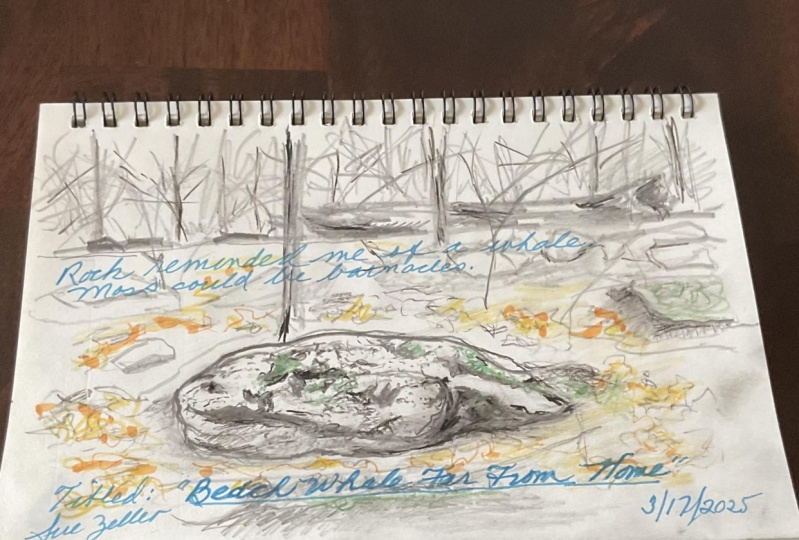
4. Why Do You Need a Camera?: in this section. Why do you need a camera? What? What do I need? A camera? Willie, I know. Use your camera daily. Right? So you see things and people that you want to record the moment, and that's just it. It's a moment. Cameras, air, quiet. No smell, no touch feelings. You can't get a whole personal expression out of that. And this is where it's so important to really observe and look at what you're drawing. We take time to draw what is in front of you. That's the time of sun observing and seeing details that you might have missed. Those details will help. You better remember going to start with Vincent Van Gogh on his sketches. Here is a portrait of ham and on the left or sketchbooks that he had created. You could see the sizes and the detail ing on. Some of them are pretty interesting. I really like this one because you can see how small it is in the detail that he's creating in there. I think it's really fun. I like this piece as well, because you see the handwriting and might have something to do with the place that he's working with journaling is part of the experience. So you could be riding in this, and that's what a camera can do for you. So you can really incorporate the whole feel, the moment freeze framing his sketch here. So he's going to be using this for painting. He's composing and placing things where he wants it to be and how it's gonna fit in. This is his bedroom. It's a very things painting, and it just has such a intensity to it. Even in the sketch on the painting, vibrancy of colors and everything really come through hands air, so descriptive feelings a lot of your artists have done. Even with the DaVinci. We solve that so handsome, just a very important thing to do. I'm going to give you something to work on, and I'm gonna have you draw your hands. Ah, 100 of them. One each day only spent about 10 minutes. That's all you need to do in your sketchbook. If you think about working in a daily is not the labor through but just a few minutes. Just think do a few minutes a day. It's better than not doing anything at all, and its handy in the hands or indeed, handy to draw. And this was one of the assignments that I had done for my students. I was great and nothing hard to do. This is their only homework they have for the semester. And I thought, You know, if they just do that, they'll be just a base. What happens with those that did that? They were wonderful and their drawings just became very inspirational. Beautiful line more. You could see some of those hands with a lot of detail ing. Others were just fun, and every day you could see the difference. Those had chose to do them all like the day before. You could tell they were done very quickly without thought and just not the intensity was not there Known about that, those that did that they're sketchbook and those that did not. It also reflected on their artwork in the class because they improved their skills just withdrawing hands and doing that a little bit each day because he learned from one drawing to the next, such as painting a painting. So try this. Just take a few moments. That's all other days, and you might want to really get into a do some or stop, but really see, at the very end of it of your progression. Tip number three to deserve, deserve what's around you and just see, really look investable. Most important of all is half on.
5. Resources to Spark Your Creative Ideas: this section is about resource is to spark your creative ideas artist. A journey where to start, look and research. What's going on The art world, past and present. Start collecting images that inspire you to want to create. You will be able to feel the excitement It could be color, shape or just this subject. Man. When I say collect, I mean let photographs of your own copy images that you want to rip things out of magazines . Just do a compile of things. It's great to take these after you fill them up and then transfer them into folders. So is you're looking for things and then ideas. You already have a compile ation of I'll be showing you awake that you can learn how to gather your resource is use your sketch for putting together visual ideas and then creating your artwork from your sketchbook ideas Going to share with you When the artists that truly influenced me and that was Jennifer Bartlett, I'm gonna show you the way that she had influenced me, and this might give you an idea of how to spark your imagination. I'm gonna begin with the future drawings. I really like them. I like the freshness of them. Here are a few charcoal pieces and when you're thinking will become artists, am I gonna find? And it really depends. Are they speaking your language? You really understand what they're doing. And I love her pastels like the colors that she's working with. And this comes out of syriza in the garden. Her work does change in different stages, and you kind of select What's gonna what really, really excites you will be a lot of changes in their careers. Just a lot of grid board. Well, that didn't interest me as much until I saw this. Whoa. Sculpture and painting like that idea. How can I do something like that? I just loved back to my sketchbook. I've taken photocopies of a work. Looked at them, I thought, Why don't like the fire? I don't have big pieces of furniture. Maybe I can create furniture. So I went out and found these big, empty steel crates for free everything and put wood in there, found other artists that do this, and I'm trying to think What can I do? So these air my sketches of thinking visual ideas so you don't have to be afraid of sketches there. Just thinking you're just thinking that having fun and trying to organize what you're doing now to start out with my pieces. I don't have my crates yet. Eventually find them and start adding them. What I'm doing it is a collaboration of pieces. Oh, I was having fun with this. Here's another piece and I've actually created my sculpture piece down there. This is called Howling to the Moon. But this is the last one to show you out of this Siri's. I have done a lot of these. In fact, I have almost built myself out of the studio. And I I just wanted to share with you with the one with the thes Crites that are opened up . I show you my sketchbook, my ideas that I got for the horses All right. I work with things. So Susan Rothenberg as well as Debbie Broader Field to get these ideas. The horses side You were from observation and I did a lot of quick line drawings to create these. This group of painters from Canada This is back the 19 twenties. I have always really inspired me with color, even till today. I'm so referring back to them. Then you're thinking, Well, how did you find those guys? And and it's through research and really looking. I've also taught art history for many years as well as art appreciation, and I just love researching and looking for it. I think going to the library is essential. If you're not familiar with artists picking them up on the Internet, how do you know they're really good or not? And I think going to the library you could really go back and really research and having that tactile quality of the paper looking at color will really inspired this. Try that now, working with the Siri's with the cut paper and the pastels, I still really love working with the oil pastels. So I moved on to a different subject matter. Where I got pretty interested in Is pre Renaissance really like that type of imagery? You can see the chair flying in there in the upper top section, their small pieces. I got into frames. I would buy a lot of unusual frames, so I painted onto the frames with acrylics, used a lot of pencil ebony pencil within the artwork and was pretty pleased with these. There were small pieces, and I enjoyed him because they were really kind of precious because you could be handheld. I entered this work along with some oil pennies, the same subject matter into Houston exhibit in one top award for the Houston area. Because of this, my work became national. You can see the evolution, my work. Now I'm getting into computer graphics. The image in the center is a computer image that's printed out. And then there's extension of the frames. You still see the frame in the imagery. This work got accepted in a big show in L. A. And my work went international. These all from resource is and my visual ideas that I placed my sketchbooks. Tip number four's Find Your Resource is really look get excited.
6. Let Your Imagination Flow: let your imagination flow. Sketchbook and tools thes of the materials I'm gonna be working with, Really Love the up any pencil. I'm gonna do a lot of sketching and I'm on a lot of loose lines. Love this. I'm gonna be working with an eraser just as subtracted method. And I'll show you about that for some reason. I don't like do right with the pencil, love to draw the pencil. But I don't like to, right. So I'll do a lot of my writing with EU nibble. And this can also add in some definition to my sketching. And this is something that can suggest you is this is a a slide holder. My slide was taken out, but this is great. It's a viewfinder. So some you have a hard time trying to just point out a particular image. You could make it very clear by dis looking up to this viewfinder and isolating areas very helpful for compositions. So if you're new to this, this is a really great thing to work with. If you don't have something like this, you can certainly cut it out of cardboard and have some kind of three by four ratio in there, and this will be really helpful. Now, since I my location, I'm gonna be using this sketchbook. It's easy for me to carry around and I'm just outside my door, but I highly recommend the small sketchbook. If you're doing something off site now for my plan, I'm going into my studio. My big white canvas. That's my outside for my outdoor lighting. Of course, you have to have a studio talk. This is Surat. He's a movie. Hello, Surat. Uh, sleepy time And now here by resource is and things I want to work with now my resource is is he saw kind of have an idea that artist I want to work with. And this is Narine Tassi Shoes a winner. The Sky Arts Landscape artist of the Year 2016. I come this my accident just watching TV one day and they were outdoor landscape competition. It was really phenomenal. And thank goodness I kept my little sketch, but with make so I could write her name down, take a few sketches, so I had a reference to go back to. That's why it's always important to carry your sketchbook with you at all times. And what I really loved about her work is that detail ing in between the trees, and that's what interested me. So I'm not necessarily copying or work. I dislike the feel of it. It also is a contemporary piece of work, so it updates me with my work as well. So that's why it's great to investigate and to look and a have something that really helps motivate you to get going. Observation Uranium on location. This is outside my house, trying to invest a like the pond. Not too sure about that. But I love the darks and lights in there that could be really need, or maybe a wait for this spring when I can see the fish in there. I'm not sure, but I'm looking around investigate what I'm going to include. I'm not too sure about that one, but I'm walking around and trying to see like this tree. So it's good to really do things far away. Or, if you want to come up close to it, these air things to sketch out and do changes in your work as well here on interior artists and you're doing things that always the same. Change it up. That's it. Makes it interesting. I'm just looking all around, you know, get a comfortable spot where you want to work with. And here is what I decided that I'm going to dio and tip number five. Using your imagination, you can choose your colors. You could choose your composition. You can choose whatever you like. This is exciting. I know format that my painting is gonna be It's going to be before you buy 50 inches here. So this will be a framework that will be working with these air. My thumbnail sketches. You could make a photograph of what you're working with and Onley use it as a reference. Joe, it's better to be there to really look back investigate, Because every time you go and look, it's going to be something. Have a fence line. I'm not sure if I'm gonna be keeping that way. Have here notice. I'm using a lot of moving very quick lines, not spending a lot of time doing a lot of intense drawing. This'd is basically giving me an idea where I'm going to place objects I'm composing. I'm looking and thinking, you know what am I enjoying the best. I got this tree here, but I like that other tree better. So the tree that has a little more angles to it, I think I'm gonna have that tree included in my landscape. I'm not going to have that fence. It's great. I can choose color. I can figure out my light source of light source coming from this direction so I can really incorporate some fun things. I like it back here, so I'm splitting it up into three sections and I like the back area here. Now, instead of having kind of a split composition, I'm creating mystery as an important interest to it. So I'm gonna go and think about what The darkness in between those treatments do compositions. And just to keep drawing until I really decided what I really like since splitting in threes, I might just split it into. So I'm drawing very quick, loose lines, just organizing space. This is called no tan. Just placing things very quickly for the few lines darkening areas. Maybe with this treat, I might have a smaller that really dark brush over there. I don't like that. I use this kind of just smearing there Kind of gives me some dark areas very quickly. This would know this when I kind of like, worry about Stuckey. Do you not to cross that? Just that. But you could just throw you. Just toss it right out. Self criticism is your worst enemy. Don't pick on yourself. Just keep drawing and feel good about it. This is your own personal space. Nobody has to know anything that your doing in it. You could write about things in here. I could ads. You know, as I said before I can. And in here some pan just to get it so I could see it a little more. I can reference in their trees about those limbs. Just shine out. Really want to get a deal? A lot of detail in there's I'm just reminding myself what I want to look for. I'll see in the next section with my final thoughts with my final image in my sketchbook. What I'm gonna do for my painting since I've been sharing with you, don't forget to share your sketches in the Project Gallery.
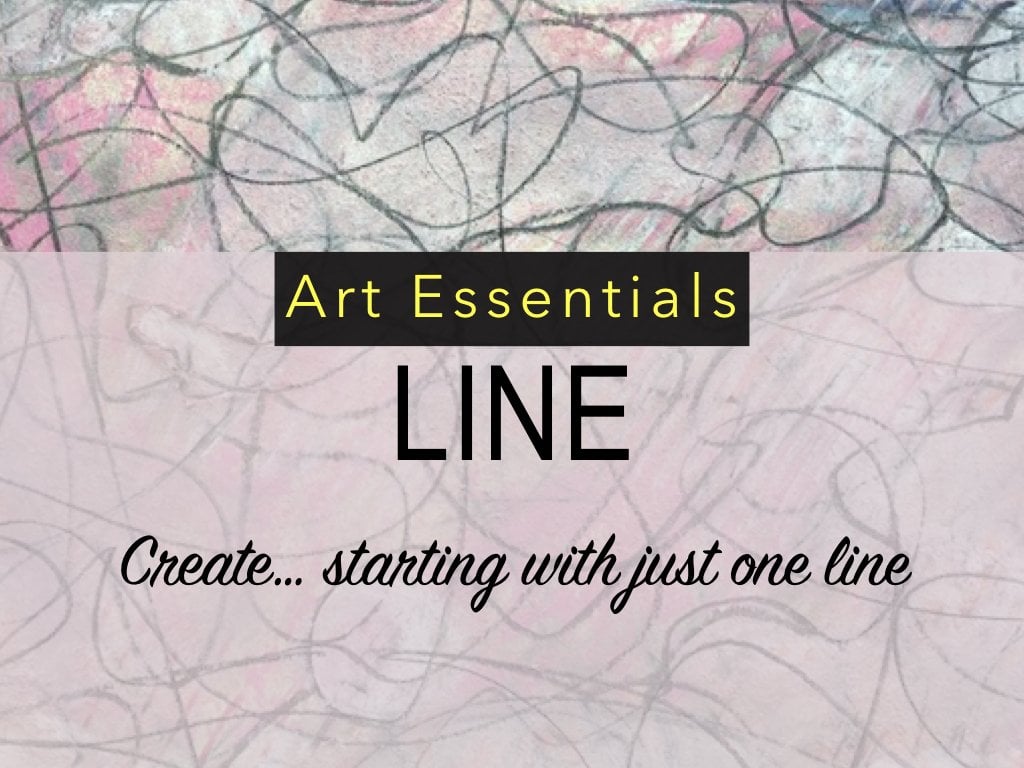
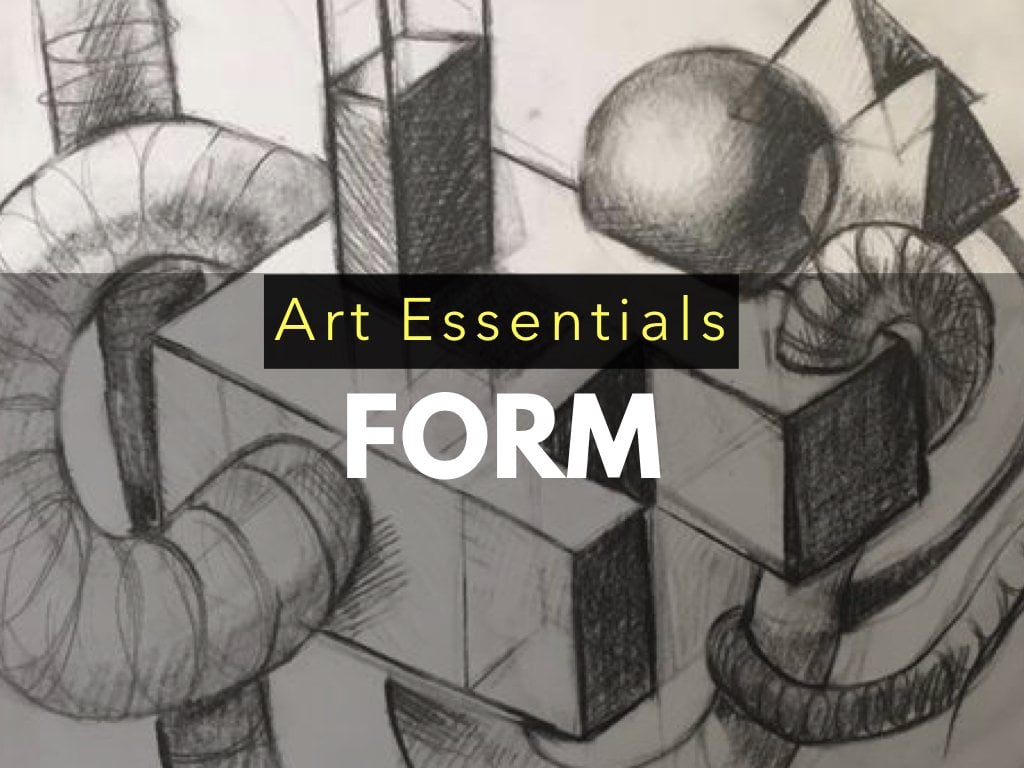
7. Final Thoughts: here are my final thoughts Begin to show you my last sketch that put together for my painting. I'm really happy about it. Thank you for taking my class. I hope you enjoyed it. Don't forget about putting your work up in the project gallery on love to see your sketches . I shared a lot with you and I have a few classes you might be interested in that you might want to take to include some of these type of joins in your sketchbook. See Zoom, his creative process gesture drawing passionate gestures. And I have another one called creative process. Contour draw sensational lines. I also have a Siri's classes called art Essentials that I'm teaching the design elements that you'll see in the Blue Circle and the design principles that just seeing the pink circle, both of them combined, is really understating composition. Three of the courses, I think would be great is the one that have online shape and value. Don't forget to check my profile page all the time. I have lots of new things that I put in there as well as to follow me. I update you with current classes and publishing. So take care. Happy sketch
 Jennifer Moorhead, Artist, Art Professor, and Entrepreneur