Transcripts
1. Intro: Hey everyone, welcome to how to create original
characters, inspiration. This is part one of a two-part
section every course. The second part coming
out a little bit later. That's going to be how to write the original characters
that you've created. And that'll be execution. This is inspiration,
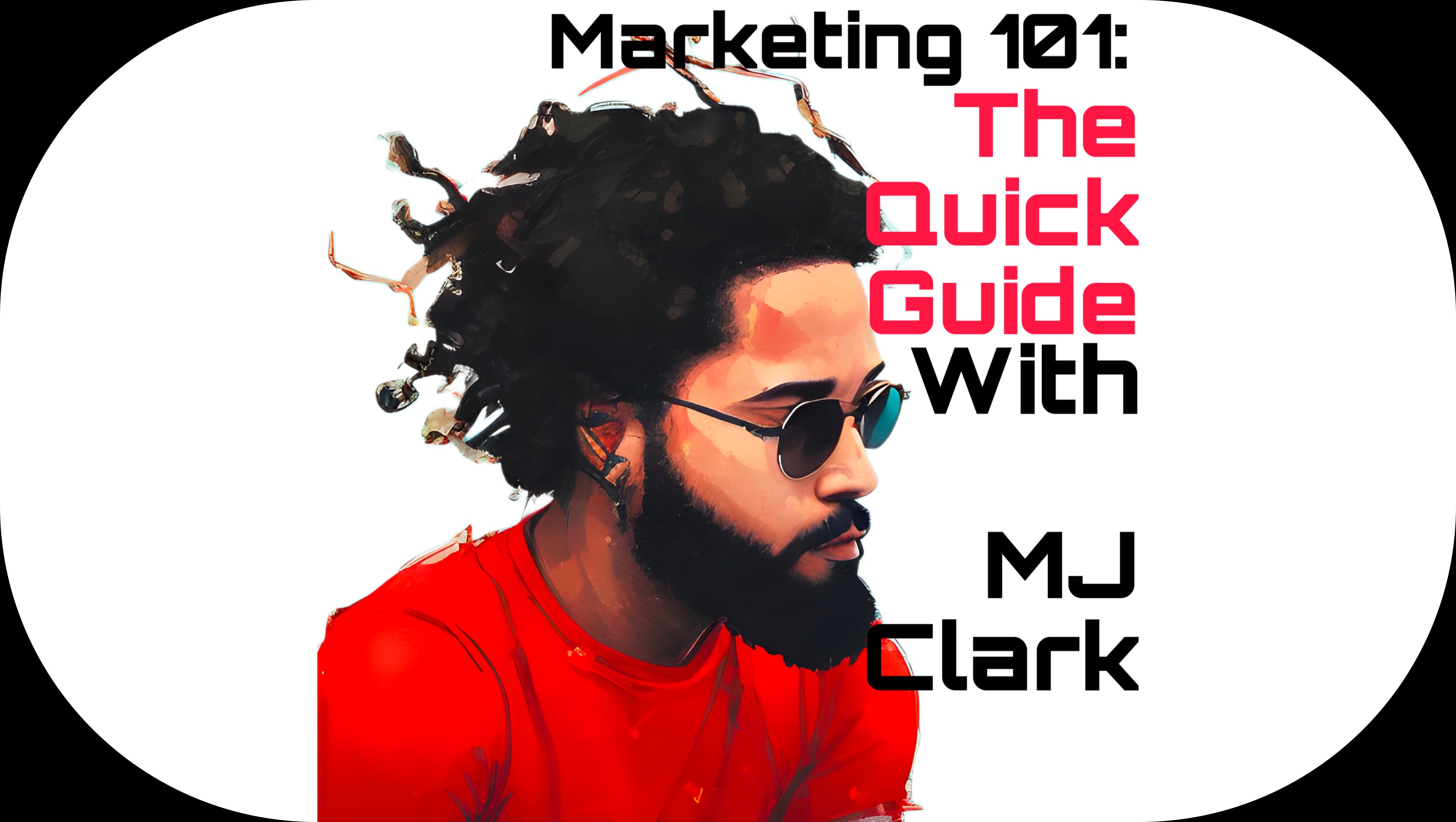
that'll be execution. Now, my name is MJ Clark. I've actually already previously done an actual three-part course on how to learn voice acting for beginner,
intermediate and expert. And that's also on my page, if you would like
to check those out. It's a great thing to learn. It's an incredible talent. I've been a voice actor
for 8.59 years now. I've worked on Netflix
who lived on video games, all sorts of things. I do a review channel
over on YouTube. There's just a bunch
of stuff that I do. And this is one thing I'm very passionate about is writing. I'm creating. There's something
beautiful about that. In this lesson, we're
going to be going through every process of
how an idea forms and your head
through inspiration. And how that ends up creating a fleshed out just
tangible character, something that you can
use and short story, a novel that you're writing, getting ideas for creating
something for a film. If you are into filmmaking, which I am as well, you can have created characters that you've
come up with for any medium that inspires you were or brings you
some kind of outlet, things that you love to do. Writing being a big one if
you're a script writer, if you are a screenplay writer, if you'd like to
playwright, books, anything of that nature, this is definitely
a good place to start because before you
start writing your stories, you need to know how
to create characters. And after you've created
this character is you then need to know how to write those characters and understand
how that comes about in the process of how to go about that in a way that is original. Originality is everything and inspiration breeds originality. So with that being said, this is going to be an
eight video course. There is going to be on
assignment as well that will be down below which
you guys need to check out, and it will also
be highlighted in the final video as well. Again, my name is MJ Clark. Welcome to the class. This is how to create
original characters. Inspiration. Let's
get into this guys.
2. Creation Inspiration: Creation, inspiration. What that is, is, what is the original thing
that inspired you to create a character or a visual aid
or something that you heard, a song that pop into your head. And as you were thinking
about it, this character, this stranger, appears in your mind
as you're daydreaming. And this character just
starts to form two. Let's say the song, you're hearing the lyrics
touch you so deeply that you're imagining
this figure in your head in some kind of fantasized scene or sequence of events to the music,
to the words. As you are, as you are just taken aback and
your mind is drifting. And all of a sudden it starts forming this idea
inside of your head. Maintaining the original
inspiration that sparked that first
created thought. The character in your
head is so important. Let me give you an example. Years ago I wrote a
book called red tile. I was listening to the song
iris by the goo goo dolls. And in that song, as I was listening
to the lyrics, and I don't want
the world to see me because I don't
think that they'd understand when everything's
meant to be broken. I just want you
to know who I am. I love that song. I love those lyrics. I love how it's written. I think it's beautiful. And as I was listening
to that song originally, the idea that popped
into my head was I had this thought of
this Japanese woman standing on top of a building. And she was as the song playing, looking out over the horizon of this great skyscraper as
the sun began to set. And I imagined or
turning around, turning her back to the
ledge of the skyscraper. And not in a perilous way. But in this sense of adventure, the sense of unknown, she falls backwards off the
building in slow motion. And in my head, the way the camera setup was having her head down here
and as she was upside down, she was falling upside
down through the city as the camera panned
this way and she went that way and it
crossed or in slow motion, kinda like that scene that
they wound up using for miles when he falls off the building and Spider-Man
Into the Spider Verse, that slow motion upside down, just caught in the emotion of whatever is feeling
as the music played on. And as she falls. She, it's just the sun
in the background to her profile lighting up
this side of her face or the other side is in
complete darkness and shadow of the building. And all of a sudden I had
this inspiration in my head. She became this Mr.
this mystery woman. She became this unknown entity
that I needed to create. So I got my sketch pad, I drew out what I
thought she looked like, medium, height, she had
black hair on one side, long, shaved on the other side. She had a face tattoo of a
star right under her eye. She had black lipstick. She had one eye
that she was blind and she had another eye
that was clear blue. And she was physically fit, but she wore almost baggy
jogger pants in running shoes, and she had a cutoff crop
top that was modest, but she had tattoos, sleeves all the way down, cherry blossoms with a
dragon wrapped around it, and black fingernail polish in this visual just kept
coming into my head. And next thing you
know, I started looking for a name and I came
up with aka water, which literally means red tile. Then all of a sudden,
I've got this idea. Her personality, she's a
smoker, she's she's distance. She doesn't like
talking to people, but she's an absolute badass. She wields a katana. She's not an assassin, but she's a counter assassins. She takes down assassins. And in my head, she's a part of a
team of a bunch of People of all
different backgrounds and their culture that have been attacked by
the Japanese mafia that you cuz them than
in my head, I thought. What if if she's red tile, all their names are literally
a color association and Japanese aka being
read, being tile. And what if all of their names were a Japanese color
like coudl a Khawarij, which is black tile. And they were members
of their organization. But they all carried an
ancient piece of tile out of a special shrine
deepen the Japanese forest. And, and they were passed down
generation to generation. Then this whole story
becomes reality, right? I start writing it all
from that inspiration of listening to a song and creating this
character in my head, then spark of inspiration. And all of a sudden I've
gotten myself, my character, I've got her personality, I've got hurt, corks the things
that make her who she is. And then I realize, okay, well, now I've got
these other characters. Now I can create them and
they'll have counter conflict. Their personalities don't gel, they don't mesh there. Their oil and water, right? And next thing you know, every time I'm literally
drawing out the character, started writing
chapters before I did, I would remember
the original idea that sparked the inspiration, the song iris by
the goo goo dolls. And next thing you
know, I'm putting it in my ears or I'm blasting
it over my speakers. I'm listening to the
song to three times, closing my eyes and just read, picturing that same first image that popped into my head
when I imagined her. When I created her. Then I would start drawing. I would start writing. I would start
thinking, daydreaming, fantasizing situations,
everything about her. Everything. I had
my main character, but I didn't just
have a character. She became a part of me for eight months while
I wrote the story, while I created her from
scratch in my brain. And I I had a whole journal
filled with her thoughts, the things she liked
everything down to how she liked to eat toothpaste. She used TV show, she would watch how old she was, her birthday, her exact
birthday, her year. All that parents, siblings. I got so deeply creative process that she became real to me. And now I know her as
well as I know myself. It's the beauty of creation
and it all stems from maintaining the
original key point of inspiration and remembering to constantly re-introduce
yourself to that first spark that created
that initial inspiration. That is the start of creating a character that is
flushed out from scratch. Everything down to their
shoes and their socks. A lot of that stuff
may seem irrelevant. But the more you paint a character into
reality in your head, the more and more honest and genuine and real and tangible
that character becomes. And that's less than
number one guys, you need to maintain that original inspiration,
whatever it is, a song you heard a scene in a TV show that just pulled at your
heartstrings, something, someone said poetry, whatever it is could be how beautiful
the clouds look today. Maintain that
original inspiration. And remember the re-introduce
yourself constantly to that original spark that
started the creation. And that's the beginning. Alright, let's go
to the next one.
3. The Beauty In Daydreaming: Hey guys, lesson number two. The beauty in daydreaming. Daydreaming is probably
the most integral part to anybody's creative process. You can't have new
cars, new buildings. You can't have new movies, you can't have new
video games without somebody in the
beginning stages, literally daydreaming about
how it would all come to be. Daydreaming about
the creation itself. The things that are going to add in the things they
want to change, the things that they think are going to matter
to somebody who's receiving that creative process on the other end,
when it's complete. Even you, when you
were a daydreaming, you were literally
giving yourself this beautiful ability to allow your mind open up and
be the most vulnerable. It's going to be in any
kind of creative process. All the thoughts and the things that you'd
never say out loud. They're free flowing around, running around inside your head, and they're up for grabs,
up for the taking. Any thought is not unavailable. And I think that's so important because
when you daydream, especially when it comes
to creating a character, you're daydreaming
about that character in instances and situations
in their life, their childhood, the
things they like, the things they don't like. Traumatic experiences,
revelations, celebrations, heartbreak, anything like that. Creating a character
from scratch like that. You must spend time in your head with that character
in those daydreams are the most pertinent part of that because it's
going to allow you to truly get to know your character beyond just writing down
personality traits. This is where you're mentally
and emotionally connecting with that character's very
existence, their essence. You mean to fantasize
about your character, fantasize about their life. Fantasize about moments
in their lives. You may never write
them down later when it comes to putting that
character into use. But it will help you better
utilize that character for whatever you might wind up using them for in a
book and a short story, in a screenplay, in a skit. Maybe it's a comedy character. Maybe you like to do things
on another video platform. And this character is
the main character and all your little stories
and skits and whatnot. That's okay. It doesn't matter how small a project
or how big a project. The thing is that does that,
it's important to you. And if it's important
to have this character must be important to you. This character must be
something that you feel this innate need to protect and make sure that the honest
nature of this character stays true to how you envisioned
them while envisioning them. These day dreams are
allowing you to put up certain barriers and blocks on this character that keep
them honest and keep them true to their
original necessity, to their original need or requirement of which
you created them. When Bob Kane created Batman, he had in his head
what Batman would be the cody would have
dreamed about. Batman is childhood
losing his parents, the trauma that would do to him. He daydreaming about his
former years when he would be traveling the world, when he left Gotham before he came back and became Batman. He emotionally connected
with that character. To understand the
true mental torture and emotional depth of
Bruce Wayne as a person, as a symbol later as Batman. What he believed in his values, his personality has coldness, is bitterness, his anger, his rage, but even more
than that, his silent pain. That is why batman has been a compelling
character since 1939. Because someone took the time, Bob Kane took the time
to truly emotionally connect with Bruce Wayne on every single
level that he could. Therefore, when anybody
else would help him writing or creating a new
version of the character, they would daydream about
what they knew Batman to be, but they would take
their liberties with it, staying true to the original
vision to Bob Kane had, but constantly making
sure that they had their creative outlet
on the daydreams. They always thought
about Bruce Wayne on it. Daydreaming is so important. They fantasize these
different stories. That's why there's
thousands of them, is comic books in
different stories iterations all across
the last 75 to 80 years. It's so important that the
daydreaming process be a process that you spend time on that you don't
take for granted. Fantasizing is such
a beautiful thing. It allows you to
truly creatively free yourself from something
like reality. When you need something
higher than reality, something more than reality to get this character's
creation across. Just remember,
daydreaming should always be something you are willing to do or
take time to do. Specifically, when it
comes to being a creator. All right guys, let's go to lesson three. Thank
you for watching.
4. Backstory: This is backstory. Now I know backstory
is generally going to be in the
writing process, which is the next course. However, you can still have a backstory for a character even when you are initially
creating them. How else are you
going to actually fully create them unless you're, you're mentally or putting a visual in your head of
who this person is. Now because of who they were. Backstory is so important, you need to make notations of exactly why this person
is the way they are now, why they look the way they
look now versus how they were then how they looked
then, what changed them? What experiences
happened to them? I explained in less than one, my character, aka
kawa, from red tile. She has a blind eye
and a clear blue sky. What's the backstory
that created that visual story going on with her other
eye that's blind. Why is that I blind? What happened? Backstory is important because when you are creating
a character, when you are visualizing,
when you're drawing them out. The characteristics that create that visual
representation, that character, there's
a backstory to y, half her hair shaved off. Why does she like
to wear joggers? Why does she like to
wear running shoes? Why Does she have
those cherry blossom tattoos with the dragons
wrapping around them? Why does she have a star
tattooed under her cheek? There is always an
answer to that question. You'd need to create
that reasoning, that answer, you need to
create that backstory. These are all characteristics, but at 1 in her life, she didn't have any of that. She had a full sided, had a hair, she had both eyes. She didn't have tattoos. She might've dressed
a lot differently. What happened in her life that brought her to the visual you're seeing or reading now? Why does she look the
way she does now? That's what the backstory is for when you are drafting
a character. I would often, whenever I
have an adult character, I will draw a version
of them as a child. I'll draw a version
of them as a teenager and then I'll draw
them as they are now. Sometimes I'll even
draw them when they're older and they're in
their later years. Just so I know who this person looks like to me from beginning to ending
stages of their life. It may not always come
into use, but again, it's letting me come
closer to this idea. It's allowing me to fully
dive in to this person. Because fictional characters
are still real people. You created this person. They may not truly exist in the real physical world
that you can see. But they might. You're creating a person, every idea that you have, someone may at some point
have had some kind of correlated idea or
a similar vision at some point in history. Think of how many people
are on the planet right now, 7.5 billion. And think of all the
people that are no longer here, billions more. To think that every
idea is 100% original, is a bit farfetched. You aren't in someone
else's brain, so you don't know what someone's actually thought
ever created, Correct? In that instance, if you are creating a character,
somebody has experienced, usually nine times out of ten, the situation that
this backstory is bringing this person two in the forefront
of your stories, in the forefront
of this character. Aka is not the only person in the world with one blind die. I doubt she's the only
person in the world with a star tattoo under her cheek. I doubt she's the only
Japanese woman that prefers to where joggers and running
shoes and dress like a tomboy. I doubt that there
is no one else in this planet that has a tattoo of cherry
blossom with a dragon? There has to be. But I don't know them. I know my character. She is fictional. But fictional characters
are still real. People understand
because somewhere in the world,
somewhere in history, somewhere in time,
that might have been a person or it might have
been multiple people. And I'm just squeezing
all of that into one. You got to remember that every idea is original
in your head, yes. But it always comes from
some point of inspiration, some point or cause
of something that's actually existing
or has existed. And that's okay, That's
another form of inspiration, whether you know it or not. This character is informed by these other things
that are in existence, that are true, that are real. And they, their existence, their reality is informing your character in
some way or another. Which leads us to
the next point. It's making that
character relatable. Because those
characteristics are characteristics that other
people may maintain or have. Whether that'd be physically, emotionally, life relating,
anything like that, that in their
experiences in form, this character is existence, and this character
is existence than reinforce that relate ability to those people
that already exist. It's a circle. It's a give-and-take creatively. Life inspires art. Okay, that's,
that's a big thing. Their life literally
inspires art and art gives back to life. It's a beautiful thing. It's symbiotic. Just remember that. All right guys,
thanks for watching. Next lesson.
5. Personality: Alright guys, personality. Now experiences change
and shape people. I think we can all
agree on that. When it comes to a
character, any character, when it comes to a person,
what you have gone through, what you've been through, completely rewrites who
you are little by little, who you are now, who you are today may not be who you've been
a year ago today. Anything can happen. A lot happens in a day, let alone a year. Now imagine you cross the
course of several years. Personality is changed,
shaped, formed, re molded, torn down, and completely rebuilt
from the ground up. Based on your experiences. When you're writing a character. When you're drawing a character, when you're creating
a character, what changes that
character's perspective? What formed their personality? Are they happy or
sad or the angular, the narcissistic sociopath
like are they shy or they kind of a gentle
or they outlandish? Do they talk a lot? What is their personality when you're creating
a character? A lot of times people, when they draw a character, the personality comes from the actual visual that
you've put on paper. You see a person
with glasses and freckles and short red hair. And they've got a button
up collared shirt. A lot of times people will
generalize that as nerdy. Their personality is nerdy. They're smart, they're
appointed extra. Maybe they talk too much, but they're not good
at social cues. They're not good
with the ladies. And I go to talking to people. That is of course a stereotype. But notice how throughout
history of media characters, they always kind of
go a certain way when they make that nerdy
character's personality. His look determines
how they think he is. So with that being said, what is your character's
personality? It's honestly a very
unfair way that they generalize characters
throughout media. The tall, blue eyes, green eyes, filled out. Girl with the dark or blonde
hair as the main character. She's the high-school
popular girl. She's the pretty heroine, she's a Mary Sue, whatever. I think that's so
wrong that we have so many stereotypical ideologies on what these characters are and how they represent
people in society. Especially when you're trying
to create a character. It puts you in a
box of okay, well, I guess it's not a
realistic character if it doesn't fit the
way that everybody else believes it to be in the
problem with things looking the way that they believed to be is it's not how they are. That's how somebody
along the way. So this is how it's going to be. This is what makes sense
because this is what I see. And because this is what I see, this is how everybody has
to see it from now on. Then for the next a 100 years. That's how every
single character was described in their niche. The nerdy kid was skinny, scrawny, weak looking,
freckled glasses. Popular guy is
square jawed, tall, blonde hair, dark hair,
beautiful eyes, muscular. He's the main character,
the hero, whatever. Okay, but why can't that square
jawed, good-looking guy? Why can't he be a nerd? Why can't he be the smart one? Why, why can't the skinny, scrawny kid be the popular one? Personalities are different and vary from person to person. So why are we generalizing them? It doesn't make any sense. If I go to a convention like
megacolon or Comic-Con, if you've ever been to one, you walk into that room. What's the overall
consensus that media shows you that nerdy
people who go to conventions and dress
up in characters look like they're 35 to 45, middle-age guys with receding
hair lines, deep sideburns, cheese breath,
protruding stomachs, and they have no love life and they live with
their mothers, right? Well, I can tell you
from experience, go into these
conventions for years that you walk in there and half the people in
there and cost and we're running
around buying toys, getting autographs,
having the time of their lives dressed
up in costumes. They spent over a
year working on and building from
crafting and everything. These people look
like they belong on the cover of maximum Playboy, that they should
be on Bay Watch. Okay? It's not a
realistic thing to sit there and say that those
people can't be nerdy, that they can't be into
animation and cartoons. And they can't love
creating and drawing. And it's not a realistic mindset to try to put into the general
public's point of view. It may be what we've
had for so long, but that doesn't mean that
That's a right personality. It means that someone was lazy. They didn't take
the time to form a personality for a character, create what they
believed was original. They went with what
they thought is the overall consensus
of what it should be. Instead of trying
to think of how people truly are and that people are different
and they vary. When you're creating a
character with a personality, you need to be varied. You need to make a character seem relatable
to any walk of life, not just a specific niche or
a specific set of people, because that set of people
isn't actually like this one. General personality trait. Everybody is different and your characters
should be different. They shouldn't be
a copy and paste. They should be original, they
should be from the heart. They should be a reminder of
things you actually know, things you've
actually encountered over and over again
in different people, not in the same set of people. That's how you get
compelling characters, that's how you make them
somewhat memorable. Which leads us to
our next lesson. I will see you there.
6. Character Quirks: Character corks, quirks.
What does a quirk? It's an identifiable thing that a person has
that sets them apart. That is a thing
that is specific to their own personality,
who they are. Corks. Some, a cork could be someone being
super talkative. A cork is someone
has a chain smoker. A cork is someone has a
stutter when they talk. A cork is anything that is individually
identifiable to a person, to a character, something
that sets them apart. When we're talking
about a quirk, I'll give you an example. Heath Ledger in the Dark Knight. His cork was that
every time he talked, he'd speak so very methodically. And they take a breath,
deep breathing thing, this tongue or you want
to I got these scars. And that was his cork. He was he had quirks, he was quirky, he was memorable. Anytime you see somebody
impersonating him like I just did you see a street
performer doing it? You see it on a video platform, you see it at a convention,
a costume party. Someone's always try and
remember how he smoke. Its quirks, sticks. The things that set him apart. And that's why
he's so memorable. Memorability and a
character is as simple as a defining trait that the
audience picks out and goes. That's his trait, that,
that's his thing. Tony Stark in The Avengers, his cork is a fast
talking clap backer. Basically, he talks fast. He's super witty and if
anybody has anything to say, he always has a witty
response on the dime, on the money collapse
back with an insult, with a snarky comment, with an I'm smarter than you
retort anything like that. That's his thing. It's a cork and it makes a memorable
and it makes him lovable. Because every time
he does that you go, That's Tony and Tony. And you never forget it. That's, that's what you want when you're
creating a character, something that
someone's gonna go. This is why I love
that character, Ron Weasley, great character. He's known for being a wimp, sometimes a little
bit of a coward, and only ever being brave when it comes to saving
his friends and when he's gotten no choice
to be his cork is that he's a bit of a dork and
he's a bit of a klutz. And that makes them
lovable Because he does it in such a way that it's relatable
to you and you go. That's Ronnie got to love Ron, Hermione, she's a know it all. But she's always save
and Ron and Harry's, but all the time
with her brains, with her ability to
know things ahead of time that they don't hurt cork is that she's intelligent, but she knows she's intelligent. Therefore, she makes
you aware that she's intelligent because
he's not afraid to say it. That's a cork. She's a no at all. Those are things that make
characters memorable, lovable. If you want, a
lovable character, makes something about
them that stands out. It can be subtle. It can be on the nose, but it's gotta be
something that a person, when seeing your character, reading your character
can look at and go, Oh, I like that about
that or I don't like that about them because quirks don't always have to
be something likable. If you get somebody
to remember something about a character than
you've already won, the character is
now in their head. They've now visualized and internalized that
person's trait. Because even villains,
great villains that you can write that you can
create the people will outwardly dislike, have corks that make a
person or reader go, Oh, I can't stand that person. Corks that. Make a
character iconic, like a villain like Darth
Vader, the breathing. That is an iconic cork. Look throughout history. Every medium has tried to
parody or make some example of the, it's his thing. It makes him memorable from the first time
he's onscreen and you hear it every time you hear in any movie or TV show sense, you go, oh my God, and you jump out of
your seat because, you know, stuff's
about to go down. Or he's about to say something. Just unforgettable. Quirks are huge because it sets a character from
being a generic, one note, one-dimensional
character to now you're adding depth. Now you're adding
something interesting. Now you're adding something
that a reader is going to go. Or they're going to watch
it on TV and go, Oh, you don't want a character
to just sit there and be the bully character, right? There's all in medium forever. Whenever someone's created
a bully character, what do you remember
about the bully? Okay. He's taller. He's got a better body said
he's got a nice jaw usually. Or they make them the other way. He's tall kid but he's
got a shaved head. He's little heavy set and he's just beat you up because he hates the way he
is about himself. It's the same thing, but that there can be
a nuance to a bully. There can be a nuance to even a hated
character like that. They don't have to be a OneNote, one-dimensional character. Adding dimensions to characters make them not only memorable, that makes them relatable,
it can make some lovable, it makes them
hateful, detestable. The lower is umbrage
from Harry Potter. Her cork was that
she would always work pink and
everything was pink. And she was very passive aggressive and she was
always turning her knows about you and rolling
your eyes those corks, they you internalize that and it reminds you of somebody
that you know, that you can't stand. And then every time you see her, It brings back to the
forefront of your mind. The thing you don't like
about that person or that type of person
that is like that. And you detest that
person, that character, which is why that character is written and was
created so well, you are meant to hate her. That is the mark of
creating a great character, getting the audience
to do or feel, or the reader to do and feel
exactly as you intended, without even having to question
how they feel about it. It's an immediate reaction, gut or heart reaction in some way and that's
what you're looking for, that's what you want. So remember, quirks
must be something you try to internalize and outwardly project
onto a character. It's going to add depth. It's going to add nuance
to your characters. All right, guys. See
you in the next lesson.
7. Illustrate Your Vision: The final lesson before the
wrap-up in the final video. This one's a quick one, but I've slightly covered it, but it's important to reiterate. I mentioned how I would
draw out my characters. Now you don't need to have
any kind of artistic ability. If you've got a pencil and
paper and you have a visual, just a mental image in your
head of what the characters should look like. Try
to draw them out. This lesson is about
illustrating your vision. It's important that when
you're creating a character, you're creating a character. And you're writing down notes, which is highly important. Writing down
everything about them, everything that we've
already covered, start to finish down to their favorite cereal
for Christ's sake. It doesn't matter because it brings you closer
to the character. What really brings you close to a character is not only reading about how you wrote character from start to
finish, ends and outs. Actually seeing them on a paper, on a piece of paper. You don't need artistic
ability to try to doodle out their hair, their face, their eyes, their nose, their
chin, their height. Whatever you can do
on a piece of paper. So you can see everything
you're thinking about is great. Because it's also a great aid to help you figure out what you might want to change
about that character. There are instances where I have had a full idea for a
character, wrote it all out. I went to draw it.
When I drew it, I looked back at what
I wrote, my thought. You know what, Maybe
I'm not feeling that particular thing as much as I thought
when I wrote it. What if I changed it to this? If you've ever seen
behind the scenes of film productions or
cartoon productions, and they show you the drafts
that the artists have done of the different versions of
the characters and costumes. And they're different at tires, the things they would wear to
them in different clothes. And you see the rough
draft illustrations. The concept art is
what it's called. Of all the different
variations of that character. They have all these
conceptual ideas where the artist was like, Well, I thought of him this way, or she goes, I thought
of character that way. I imagined them
looking like this. Instead, I imagine them
looking like this, but with a slight twist
on the hair here, slight twist on the close here. And that's important
because it's really helping the creator go. Okay, well, I like this
but this doesn't work. But what if we took all this? We got rid of this and
we added it, this one. And then now you've
taken these different, different concepts
and you've squeezed them together and
you've compress them. And then you have your
final idea of something that you truly believe
works for you. It's so important to
illustrate your vision because it's really going to help
you finalize that idea. It all comes together. When you truly go. You look at all the things, all the pieces of your puzzle. And then finally,
you're able to mentally go this here, this here. I'll forget about this for now. And there it is.
And then you go. Okay. Now I've got the
full picture and it becomes finalized and you
go, It all makes sense. Illustrate your vision guys. Doesn't matter. If
you can draw or not. Get a pen and get a pencil, gets some paper, get a friend who's an artist,
sit down next to them, describe to them what is in your head and
see what happens. There is no wrong idea on
the process to creation. There's just what
works better for you here than what was working
for you over here. And that's okay. It's a part of the process
to crumble up the paper, throw it away, start again. You'll do it a million
times before you get to that actual finished
mental product. And that's the best kind of
creation immediately rushed. It means you truly cared
enough to take all that time. Illustrate your vision.
Illustrate your vision. Now we're on to
the wrap-up guys, and I will see you over there. Thank you so much for watching.
8. The Wrap-Up: Hey guys, thanks
for making it to the end of the actual course. Where at the wrap-up now, where I'm also going to
give you your assignment. Now the assignment everybody is, I want you to create
an original character. I want you to find something
that inspires you. It doesn't matter if it's today, tomorrow a week from now, post it back to the class. And in that assignment
that you have created, I want you to make a character. Okay? I want a rough sketch
of the character, whatever you believe the
character to look like. I want a one-to-two paragraph backstory
of this character, write it out, or it
can be a synopsis, one to two paragraphs, okay, three to four sentences
each doesn't matter. Then I want descriptors
described to me this character. I want you to tell me
about this character. I want you to really
get into this and not be afraid to tell
me and your classmates. Specifically. This is why his
hair is this way. This is his legs,
this is his hair. This is the reason his shirt. He always wears this shirt or she always wears those shoes. I want descriptors folks. And I want I want a 123 paragraph describing
the character to the class. I want you to describe
the character to everybody in
three paragraphs, not just the backstory,
but I want you to describe how they are,
their personality. I want you to tell us
about their quirks. I want you to tell
us about their age. Let us know if
they are orphaned, if they are a big family,
if they're a leader, if they own a business,
whatever it is. I'm going to put all
the information down below of what the
actual assignment is. But I want you guys to
go ahead and do that. I want you to get into this. This is fun. This is
supposed to be fun. Creating stuff is fun. Making stuff is so fun. And this way, I want your
classmates to be able to see your assignments and comment and share ideas with each other. And you guys, it's a
togetherness thing creation. It's gonna be fun and
it's a good thing. And you guys are to be
kind to each other. Give kind. Constructive criticism. Do not bully. There is not to be
any type or form of innate rudeness or meanness. And if there is, you will be kicked out from the course and you will
be reported by me. If you treat anybody
with disrespect, these are all creative
ideas and they are meant to be beautiful. Thank you guys so
much for making it to the end of this course. The next one will be posted
in the next few weeks. And that's gonna be how to
write characters execution. So basically, after
you've created, then you're going to come back to the next course
and you're going to learn how to write
those characters. All right, guys,
thank you so much. You enjoy the rest of your day. Don't forget to do your
assignments and please be kind to each other in
the replies and comments. Take it easy and enjoy
the rest of your month. Alright, bye.
 MJ Christensen, Actor/ Voice Actor