Transcripts
1. Introduction: Hi there, My name is Brendan and welcome to Club Photography 1, 0, 1. This course is designed to give you the tools necessary to create a compelling album for a nightclub. And this comes with an understanding of equipments, lighting people, and the reasons for taking the photos in the first place. Now, although this course is going to be focusing on nightclub photography, it by no way means that the lessons learned here are restricted or reserved for this genre in particular. All right, so just sit back, relax and let the LDL set tones in my voice lol you into a knowledge felt blanket of trust.
2. The Purpose of a Club : A nightclub provides people with the opportunity to participate in a collective immersive experience that serves as a counterbalance for the monotony of everyday life when it's done right, all of the aspects are over the top. The music is so loud that it fills every corner of the venue and you could hear it across the streets. The lighting is dark and mysterious, but at the same time, flashing colorful and exciting. There can be fire dancers, there can be sparks flying from the ceiling. There could be fog machines that haze up the whole room. That could be cannons that, that fire soap on to the audience. At its best, a nightclub provides people with an experience that beyond self-consciousness and your job as a photographer is to not only capture this experience, but use the tool in your hands to enhance it and contribute to it. And this is what I hope to show you how to do.
3. Something to Think About : I'd like you to try something. It's going to sound crazy, but just go for it. Okay? Stare your camera. If you don't have it, go get it and stare at it for a little while. That's what your camera does without you. Nothing. Your really the instrument. And try to remember that. Don't confuse yourself with your equipment. Okay? Obviously we're going to need a camera to do everything that we're talking about, but I'm getting at something else here. So just something to think about.
4. Camera and Flash Overview : Okay, Let's talk camera and flesh and how they work together as well as individually. If you already know your way around the camera. Fantastic, all that quickly that a good general setting that you can walk into a nightclub is, is to have your flash at 1 fourth power and angle it forward at a 45 degree angle that maybe use a little bounce card. Iso anywhere from 400 to 500. Depending on the ambient light, you can put your shutter at 160th of a second to 125th over a second. And the aperture you can put at 5.6. I also like to use a wide lens that should get you in the ballpark regarding proper exposure and you can tweak what needs tweets if you have no idea about any of the things I just said, that's completely okay because we're going to take a look at each of these things individually. That is exposure, ISO, shutter speed, aperture, focal length, and then flash. Yeah, let's, let's get into it.
5. Fundamentals: Exposure: Okay, Let's talk about exposure. If you don't know what exposure is, think about it like this. If you've ever taken a folder that's too dark, it's underexposed. If you take a photo that's too bright, like look on my face. Overexposed. All right. Sure, you've got overflows. And now hopefully perfect exposure, right? Anyways, generally, the things you see in your day-to-day life with your eyeballs would be considered a proper exposure. Now the camera, the way the camera works is you're going to have to find a balance between, that's between the ISO shutter speed aperture because each of these also the flash, because each of these elements can let in more or less light into the camera and that's going to affect the exposure. All right, This makes sense. Let's talk about the ISO.
6. Fundamentals: ISO: So ISO is your cameras base sensitivity to light. And it's like the Exposure tool in a, in an editing software. So when you're pushing it to the extremes, you start to lose the image quality even though you're getting more light. So it works the same way right? Now, if you're in between 100 to 800 ISO, I wouldn't worry about image quality at all. And really, a lot of cameras can look fantastic. You know, even up to 3200 and 6400, I'm sure even higher, it's going to just keep improving as the technology improves. But still as a rule, it's better to keep it lower. Okay. Now, nightclubs are really dark. So you think that we'd be firing off the ISO to the, to the extremes, but that's not the case. We're going to be getting our main light from the flash will be supplying our own lights. So because of that, we can keep the ISO at a lower number. I like to keep it around 400 or 500. All right, so let's talk about aperture.
7. Fundamentals: Apeture (featuring dramatic walk in): Aperture is like the eyeball pupil of your lens. If you're shooting with a wide open aperture like F 1.4, then you're going to let in a lot of light. If you're going to shoot with a really closed aperture like F22, you're going to let in less light. As I mentioned before, aperture is also responsible for the depth of field, and that's the distance in the photo of what's going to appear sharp and in focus and what's going to appear blurred out. The more open your aperture is, the less of the photo is going to be able to be in focus at once. And that's also known as a shallow depth of field. If you'd like shooting like that. Fantastic. Go ahead and go do it. But in nightclubs, you could run into some problems doing this because nightclubs are really dark. So actually getting the focus and keeping it could be a problem. Also, if you're taking photos of more than one person at a time, which is often the case. Group photos are really common, then it's not guaranteed that everyone's going to be in focus. Now, me personally, I like to shoot around f 5.6, but it's up to you to experiment and see what works for you.
8. Fundamentals: Shutter Speed (featuring strange ending): Shutter speed deals with light and motion. So when your shutter is open, it's exposing the camera's sensor to light. And the speed is how fast it opens, it closes. Okay, So if you have a long shutter speed, so it's open for a long time. The whole time it's open, it's going to be letting in more light and recording more motion. And if it's closed, so really fast shutter speed. But Bob, then it's going to let in less light and it's also going to freeze motion. And I'll explain what I mean by emotion. Let me get down. Firstly. Everything your camera sees is light. All right? It's, it's reflecting from the environment and the subject. And when your shutter is open for a long time than any movement that would have light on it is going to get recorded. This is where you can get blurry photos. It's often an unfavorable thing. Now, the thing with club photography is the actual flash is going to be freezing motion. Instead of relying on the shutter speed.
9. Fundamentals: Focal Length : Focal lengths. Now, in club photography, a wide focal length is going to be preferable if I could only choose between taking either a 24 millimeter lens or a 4000 millimeter lens to a nightclub, I would pick the 24 millimeter lens now anywhere between 18 to 35, that's gonna get you in the ballpark and that should get the job done. So wide lenses are really helpful for nightclub photography because they're going to let you get more in the shot without you having to take a couple of steps back to get everything in. All right. You might not have a lot of space to move around. So this is going to be something really, really useful. It's also going to be good for shots of groups of people, crowd shots, even shots at the venue itself. And also because you can get closer into the action and to the people, your photos are going to be really at least more dynamic because it's going to feel like you're immersed in the photo. Because as a photographer you are immersed in the situation. Also, it's going to bring your flash closer to the people. When you go closer to the people, means you're not going to have to use as much power on your flash to get a desirable exposure. If you'd like using a longer focal length, no problem. Go ahead. You could really make anything work in any situation if if you if you put your head to it, but generally I would reserve that for a more specialty situations.
10. Something to Think About : Something to take note of. All of this can be a lot of information to wrap your head around. So just remember that understanding is going to come with him. Don't let the technical details get in the way of you doing or trying something. All right, throw yourself in a new situations and deal with them on the fly. If it feels a little scary, then something's right. Okay. Later on, you're going to be able to take a look at the work that you did. And you're gonna be able to see what worked and what didn't and why. Okay, this might be the best way to learn for some of you because I learn a lot like that.
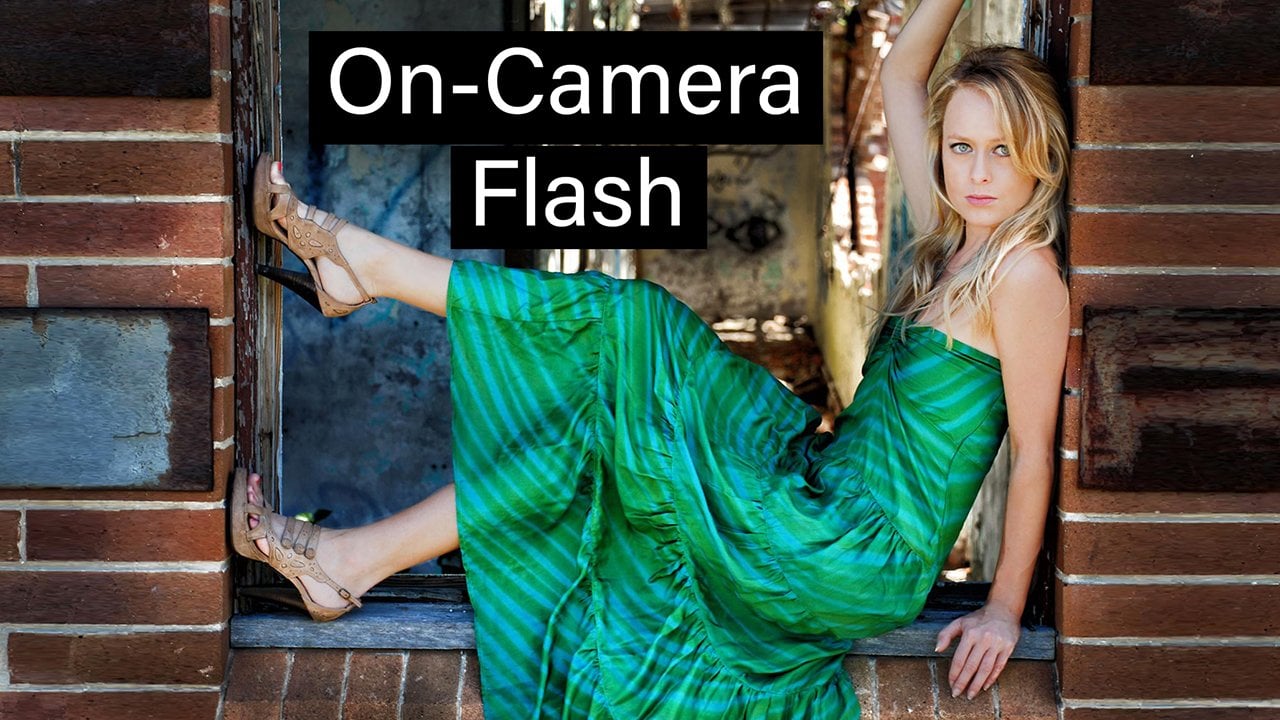
11. Fundamentals: Flash (My Favourite Thing) : So let's talk about flash. And flash is my favorite thing and it's so awesome. And if you don't know about flash, fantastic because it's like a new world of possibilities lays before you. Okay? So let's talk about flash. And I really, really like Flash. Now, if you don't have a flash, It's really worth getting one. And for nightclub photography, I would consider it to be essential. Now, being able to provide your own light is not only helpful, but it opens up a whole world of possibilities for your photography. Now, some cameras have their own built-in flash, but I would recommend to get away from that. Okay, they're fine, but they're not great. Now. They're they're limited by the size. They're usually really small, the direction they might only fire one way and you can't really, you can't really change the power on them too much. I'm not sure what what new cameras are coming out with, but just I would say to stay away from the camera flashes, what they generally do is just blast people straight in the face with a beam of light. And that's going to give a more harsh look. And that's also because of the smaller size and of course because of the direction. That being said, there's a use for everything and this could give a cool paparazzi look. I actually did a shoot for Virgin Mobile and they asked for this look specifically, so there's a use for everything. But in nightclub photography, I like to have the Flash they actually put on the camera. And this is going to be able to go in different directions. It's going to be able to angle differently. You can put different modifiers on it and you can also put triggers that let you have it off the camera. Sometimes I would have the flash off to the side and then it's just like the light right now is coming from the side. You see how there's the shadow that would create depth whenever I was saying a flat looking photo, It's because there'd be no shadow on the face. And a photo is just, you know, it's if it is flat. So to create the illusion of depth, shadow does that. So anyways, whenever you're using the flash, It's really important as well to consider the environment in urine because now you're going to be running around with their own light source firing off, and you'd be surprised at how bad that could look. So look around right now, these ceilings are pretty low and the role of white, okay. Same, Same with the walls. So they're going to reflect a lot of light if they were black ceilings or like darker color, even if it was like a red red ceiling, if you fire the flash into it, it's going to, it's going to fire back red light. And also the darker the color, the more light it's going to absorb. I hope that's making sense. Now, let's talk about what a flash does. Now, a flash supplies up pop of light, it just goes. Okay, and then it's done. So because of this, your shutter speed is not going to affect the exposure of your flash. So think about it. Even if you have your shutter open for a really long time, your flash is still just a pop of light. So the extra time that you are shutters open, It's not like it's letting in more of that one instantaneous pop of light. All right, same thing applies with a faster shutter speed. Now, you still do have to pay attention to the shutter because the more it's opened, the more continuous light can seep in. And that can give you a little bit of a ghost D look. I can, I can show an image to, to explain that. But, but anyways, if you want to be controlling the exposure of your flash without actually touching the settings on your flash itself. You could do that with the ISO or the aperture. All right. Now, yeah, I think what's what's up next? So flashes the speed lights that you put on the camera, they should have a built-in Focus Assist. And I didn't know how this worked at first, so I was in the nightclubs and it's really, really dark and I wasn't able to get the focus. I didn't know what was going on. It turns out the problem was that I had the focus mode on my cameras set to AL servo, which is a continuous focus mode. Once I switched it over to one shot, then all of a sudden it kicked in the Focus Assist on my flash and I was able to get fast and reliable focus even in near no light situations. So that's something to keep in mind as well whenever you're using the flash on the camera.
12. Something to Try (Seeing Light): I yeah, I got something for you to try. Okay. Get your phone and put on the light. Nor if you have like a flashlight or something. Great. Do that. Go look in a mirror and then put the light up to your face like this. And then you can use your hand or a piece of paper and just start to see how light reacts whenever you're bouncing it. You can check different distances. Just, you know, you start to experiment and just start to notice what happens. Start to look at light and how it reacts with the environment. It's really cool and it's nuts, but you're seeing it every day. The trick is to start to pay attention because if you're going to start using your own light and supplying your own light. It's just really helpful. So yeah, there's something.
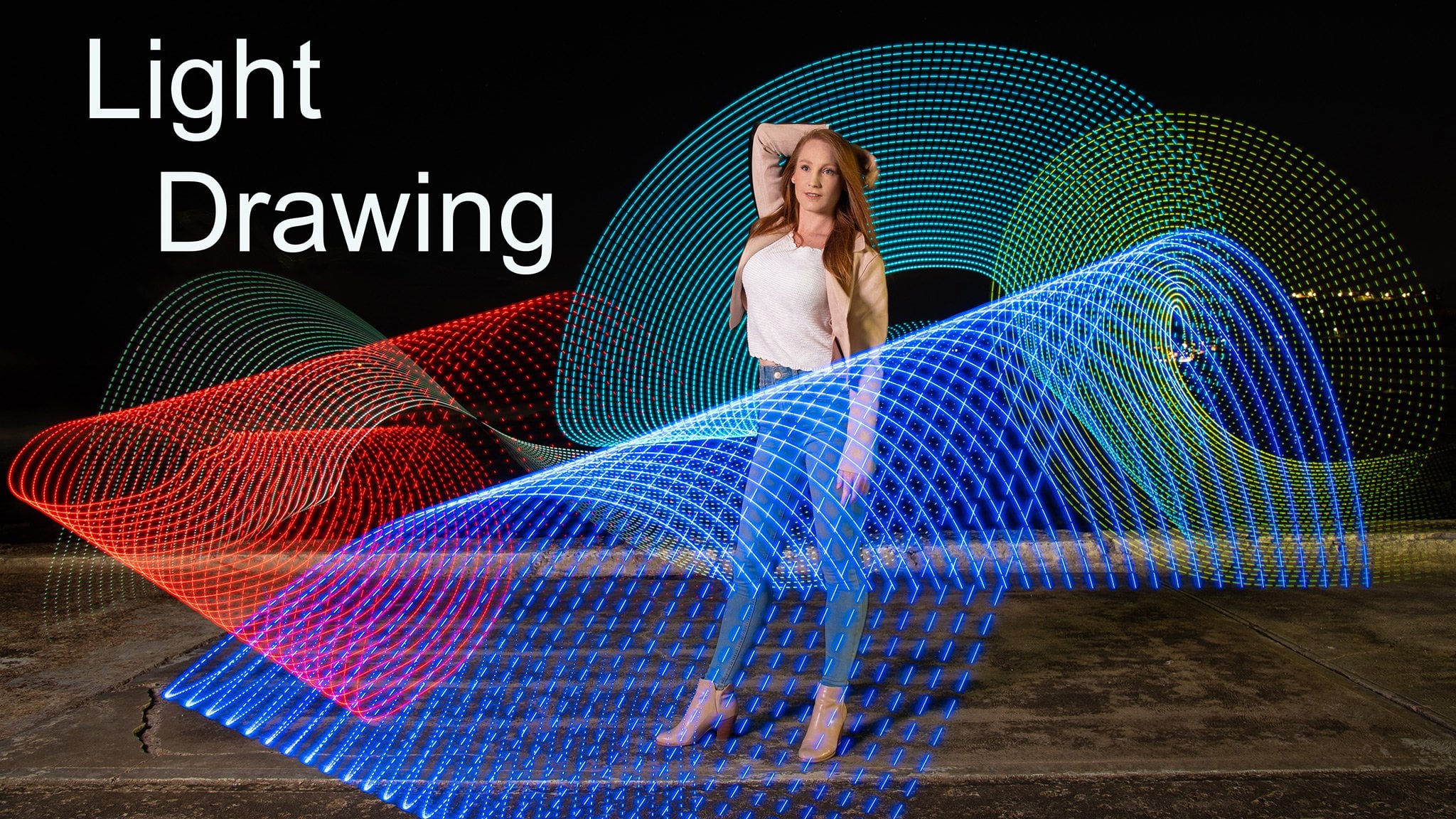
13. Advanced Lighting Technique: Dragging The Shutter: So let's talk about one of my absolute favorite lighting techniques, and this is called dragging the shutter. This is where you get those cool light trails that you would see in the club photography. Now, light trails, basically right now, at least in the media, what you would be seeing, the things that are popular is where someone pops the camera on a tripod and then they let the shutter stays open while the moving sources like a car or something like that moving with their light, then it creates a light trail, right? So that's one way to get a light trail by having the camera on a tripod and still, because you're still getting the moving light and everything else can appear sharp, but we're using flash here. So what's going to happen is the flash is going to freeze the photo. And then while we keep the shutter open, we move the camera. And then depending where we move the camera, if we move it towards a light source, then wallet moves. That light source is going to get recorded on the image in the way that you move it, right? So this is really, it's really hit and miss actually, but there is a trick to it. Okay, so the flash is going to freeze the person. First thing is, you're gonna wanna make sure that the flash is strong enough. You might actually bump it up a bit so that you're getting pop, it's crisp and that's looking clean. And that's the actual photo say of the person that you're taking. And then as soon as you take that, if this was the camera, you'd go like this, you would go 123 pop or one to three, pop or pop, or you get the idea, you could start to spin and do all kinds of stuff. And depending where there is ambient light, as soon as your cameras actually passing it, that's going to go into that open shutter. So this light trail that's going to come into the camera, it can look clean or messy, okay, so you're going to have to actually control how much of this is coming through into the sensor by closing the aperture or opening it, you have to tweak it around. Or you could lower or higher or raise the ISO. Again, it's better to keep the lower ISO. But really you start to experiment. I really think that just understanding how this works is how you can get it. Okay? If you were to just say, this is the setting, these are the buttons that you wanna do. It's great and that's easy to like click on and then you can pop it on your camera. But like every situation is different and when we're talking about mixing your actual flash, then that's going to depend on how close the person is to the actual flash that you're doing. And then when you're talking about getting these streaks of light, that's going to depend on the continuous light that's around you and how long you actually have the camera pointing at it. So this is like a really, really cool technique. And honestly I don't see a lot of people doing this, really, not a lot of people. And anytime I do that outside of a club photography setting, it's one of those things where people just look at me like What the heck are you doing? And then when they see the photo of the go, Oh, so give this a try and I hope that I've made it clear how that works. If I haven't, I'll say it now. Bump up your flash of it. Okay, make sure that the actual image that's gonna get frozen from that top of light freezes the person. So say that you're taking a photo of a person. Okay. Then before you take the photo, look around to see what continuous light there is. So I have a continuous light over here or maybe even the one behind me. I could take the photo, say I always taken the photo of you. I could go pop and then I can go up like this. And then that means if this is the picture as I'm moving it up, the actual continuous lights here have touched the bottom of it. So you're going to have a street near the bottom. You have to start paying attention to the actual direction and where it's going to be going onto your, your, your image, right. And then say, I turned it around like that and then the shutter closes. So I would get a strong streak of light from this because this is pretty bright. And then as I went like that, all of a sudden because this is a big wide yellow source, it would give a yellow kind of cast. Now, I don't have my other camera with me and we're in lockdown, which is why I decided to do a video on nightclub photography. The one time in history that all of the nightclubs around the world are closed. Because it's funny, you know, and it's still useful. But basically, maybe what I can do is actually get some clips and go to another location once I can grab the camera and we can put that up and show some examples because this is such a cool technique. And I hope I'm not rambling, but it's because I want to try to make it clear how this is done.
14. Why Drag The Shutter? : It's so cool we're getting these kinds of photos. And I think that it's something that's completely unused or sorry, underused. And it's this whole thing of photography that there could be so much more of it. So I hope this helps to make you understand how that's done. These are great and the club photos, because what they actually do as well is it really gives a feeling of energy. When you have someone dancing shirt, take the photo of them dancing and they're they're frozen up in the air going like, you know, this is my night and my song, fantastic, right? But when you all of a sudden add this dragging the shutter light trail effect, It's just, it makes it look like all this stuff is going on in it looks how it should feel. Does that make sense? It really brings the photo to life and it's just super cool. Another thing to note about these, these light trails is that you could do it too long or too short. So sometimes whenever you see the light trails, maybe you just get like a little light trail that that big across the photo and it kinda looks like it's I did they mean to do that or was that just kind of they just didn't have the shutter at the right speed. It's if you're kind of in the middle between getting a crisp photo and doing a long shutter, you're gonna get this sort of ghosting effect. That's not that nice as I mentioned before. So it's just it's better to go hard or go home on one or the other. You know, we're, we're talking about extreme immersive experience of people having the time of their life. And if it's going to be after this video was made, then that means it's going to be after a pandemic too. So people are gonna wanna go out, have the time of their life. You better make some photos that brings us to life and that would just be so cool to do that. So I hope, I hope this has helped to make that clear how it's done. Okay, let's talk about actually going into the venue and what we're going to be shooting while we're there. Yeah. Let's let's get into that.
15. The Club: Arriving and People: Okay, We're finally here. We're going to be talking about actually going into a nightclub and taking photos now the whole process of that. All right, so let's get into it whenever you actually get to the venue. Actually, I'll just start by saying there's about a two hour, maybe a three-hour gap where you're going to be getting the best photos okay. Too early and people are still just getting settled in and too late. Things are gonna get pretty sloppy, I guess you could call it and it generally makes for unflattering photo. So I would say from between 1130 PM to 130 I am, you know, maybe that's the sweet spot. It really depends on the situation like everything else, and also on the country and the culture of the people. You get the idea, okay? So whenever you're arriving at the venue, if you see anything noteworthy outside, take your camera out and take a photo. If there's a line-up, get a photo of it. Okay. Because that's not going to be there at the end of the night. And this is really good for the venue to show that this is a place that people want to go to. All right? Now, once you're going inside, find a safe place to put your equipment. I like going to the DJ booth because you can speak to the DJ, you can see what's happening throughout the night If there's anything planned, if they're going to have performances happening, if they're going to have any kind of special lighting effects, anything like that, right? And it gives you a place that you can put your equipment that is close to the action but separated from it and its own area. Plus there's always going to be a person there. So that's a good place to go. Now when you're actually taking out your camera and start in the photos, I don't start by going right into taking photos of people. And I'll tell you why. Whenever I start at the nightclub doing the photos, I'll start with getting photos of the venue itself. Any details that are there. Every venue is going to have its own thing. It also gives you a chance to practice a little bit basically saying, okay, take a couple shots. How is this looking over here? Okay, This rooms kinda dark and I got to do this there. This room has tons of ambient light, so I'm going to need a faster shutter, so I'm not going to get a ghosting effect, things like that. All right? And the other thing is that by not taking photos of people right away, it lets them see you and get used to you. And this is really, really important because then time that you actually do go and get the photos of people, they've already seen you around and they know that the photos are happening and they're getting to join into something rather than being invaded right away as they're just settling in with a camera shoved down their face. Okay, people are there to enjoy themselves and you wanna do your best to enhance the experience or at least not take away from it. Okay, there's the whole idea about fly on the wall or social butterfly that's going to depend on who you are and your personality, okay, there's all kinds of different ways you can approach a situation. Especially people, because people are just so different and you have to be true to how you are. So if you're not a really sociable person and you prefer to be a fly on the wall do that. And I'm sure you'll, you'll you'll be able to kick butt doing that. If you really like throwing yourself into a situation and, you know, jumping in with the people and taking the photos. You can do that too, but make sure that that's an acceptable thing to do. And you're going to know that by actually interacting with the people, okay, you have to be respectful, but also this is a big party atmosphere and enjoy yourself and try to be professional, but have a good time as well. Because the way that you act, That's going to affect the way that the People Act. That's actually a whole thing in photography. If you want someone to lean to the side, if you tell them that they might they might start getting weird thinking about where's my elbow? Is it in the right place? But if while you're doing that, you go like this and then you lean yourself, a lot of the time people start to mirror you. And that's actually a thing people do in conversations. If you've ever noticed that when you're speaking with someone, just watch you guys slowly start to mirror each other. It's like a little dance. Anyways, club photography. So one of the things that I'll do whenever it's time to start taking photos of people because you are going to have to do that. And sometimes it can be a little, it can make you a little nervous going up to people. I'll I'll get like that myself. And so one of the things that I like to do is I'll actually walk into the room that there's the people in and I'll start firing off my flash. I'll just go pop, pop. I'm not even taking photos. So the people that are sitting there with their friends and having a good time, all of a sudden they start seeing that there's the flash, they start going, Oh, there's a photographer. And one of the things that I've noticed is that whenever I do this and i'm, I'm firing off the flash on myself. I'll feel a little tap on my shoulder and someone goes, Can you take a photo of me? And that is so important because when someone is asking to get a photo, they're actually choosing to do it. All right. It's so different than someone coming up to you and saying, Can I have a photo, then all of a sudden it might throw you off guard and maybe that's not what they want in the moment. Alright? There's so many things that you're actually just going to learn by going and doing it. But these are some of the things that I've learned in the years that I was doing nightclub photography and also events in general. Really, it's the same thing with whenever you're at a wedding or other corporate events and you're doing event photography. It's groups of people. And there's a whole social thing because humans are social. So tuning into that, and if you're not normally thinking about these things, thinking about them is a really good way to start to know how to act and how to operate in a situation that's gonna get you the best photos.
16. The Club: Navigation : Okay, so now whenever you're actually going through the club, remember a variety, okay. Especially if it's a thing having to do with going up to people. The easiest thing to do is to go up to the one group of people that was really receptive and having fun, or maybe they kept asking for photos. So it's pretty easy to stay there, right? You stay in a comfortable spot, but remember, you have to get a lot of things. So get shots of the DJ, Okay, good shots of the dance floor. Get individual shots of people dancing, having a good time if you see anything noteworthy all the time, there's, there's, there's beauty everywhere if you just look for it and there's all sorts of things to be found. So always keep an open eye and just see what's happening in the situations. You can be downstairs taking a photo of something, and then all of a sudden upstairs, some performance starts or some new song or some whatever. It's just be moving around. Make sure you're just always on your feet. Enjoy yourself. Go around, see what's happening, get this. It also lets people have a bit of a break. If you're around them all the time, it can be a little too much. So it's nice to disappear every now and again, because then whenever you come back, it's a gift, not a curse.
17. The Club: Strobes, Music Cues, Tips: Okay, So in this section I want to talk about just a couple of things that are really handy to know when you're going through the nightclub. Okay. So go to different rooms. All right. Don't say in one place for too long. All right. It's it's a good thing to go here for a little while. I'll get some shots at the DEJ, get some shots of people dancing in the crowd, go around, get some group photo is get individual shots, a couple of candid shots, you know, Oh, this lamp is unbelievable. So take a photo of the lamp, you get the idea, right. The other thing is strobe lights. Now, a lot of venues have strobe lights built-in and those are like the flash that you're going to have on the camera, except a big, expensive version that's going to be able to like the whole room. And these can look fantastic if you know how to take advantage of them, all right, because they're flashing so fast, you're going to have to match your shutter speed because if it's open for too long and you get more than one flash, you're gonna get this double frozen effect, which is, which actually can be cool. Just, just letting you know, just, I'm trying to explain how this all works, right? And if it's too fast of a shutter speed, you won't catch any of the strobes and everything is going to appear dark. Okay? You're not going to be using the flash on your camera. You're using the massive stroke that the clubs supplies. Okay, so the trick for this, and this is what a great photographer named Louis Macleay, he told me. And the trick for this is to put your shutter speed between 1 tenth of a second or 1 15th of a second, okay, that should be where you want to have it then aperture 5.6 and then ISO from 400 to 500, okay, and no flash. Then as soon as the strobe start going, baba, baba, baba, baba, just go on a burst, have your framing setup, and then just hold down the burst. And if you take 20 photos, maybe you're going to get three or four that sync up and they look great, okay, and that's the way to do it. Now the other thing is, how do you know when the strobe lights are going to happen? First, you can be talking in the DJ, but the other thing is listen to the music, okay? The club is an environment and it takes on its own life. You feel the energy when you're in there, when the music starts building up, you know that it's happening and so does everybody else and everyone gets prepared for that without really realizing they just do it. And as soon as that beat drops, the magic happens. Okay, strobe start happening. That's whenever you can get those photos. That's also the time when we're not talking about strobes and we're talking about the music building up. That's the time that go right through that crowd and you get the photos of different people, okay? Because that's when people are really going to be having the time of their life. And when you're capturing those photos, those are the ones that are gonna make an album, Okay? Now, another trick is to have the camera not like this when you're walking through everywhere, right? Habit, haven't like this. If you have these settings and it's going, you can, you can be firing it like that. You can be looking over here getting that. You're going to get these photos, that they're not all just squared off and perfect because we're not trying to do that. This is like party chaos, okay? It's not just little proper square on. All right. Also, speaking of the square on if you have the camera like this, tilt it a bit. There was there was these club photos that I kept seeing and I kept thinking like these are so cool. What is it about these photos that I like? And I found out it's because none of the photos were dead square. There were always tilted just a little bit. It makes it more dynamic. So that's another thing to keep in mind. And when you actually lift the camera up above people, so say you're walking up to someone and you go like that, and then you'll have it up here. They look up at the camera and they start doing things. It's really funny, like it's something that I noticed is as soon as you walk up and they know that there's the camera, lift it up and you're still looking at them more or you're making whatever, you don't have a good time because it's going to, it's going to be mutual and it's going to make the photo better. But when you do that, all of a sudden people start doing things and you get really cool photos. Or if they see that you're going to take a photo, start, you know, make them, make them work with you there. If you start doing things, they'll they'll follow you. And then as soon as it breaks out of what they expect, all of a sudden they try something and they do something, and it's really fun. So that's a couple of things to think about. Alright, listen to the music and be able to anticipate what's going to happen. You know, feel everything. If you're not a feeling kind of person, then just think about what's happening. This sounds like it's building up and these people look like they're about to have a really good time. I should probably be over there right now and then go there. All right. It's just you feel it out. And I really think that keeping these things in mind are going to take your, take your club photography to the next level. Okay. So yeah, that's that's that. I'm trying to think if there's anything else I'm missing. Oh, yeah. Okay. Okay. Crazy people, things are gonna happen. Okay. One thing is keep your camera away from where people can spill their drinks. All right, if you're walking through a crowd and you have your camera down here and you're like this. That's right, wherever one's hands are and things can get spill, things can get not people could be hitting the camera. Okay. Keep it up there. Alright, keeps your cameras safe. The other thing is whenever people come up to you and they go, Can I take your camera, can I take a photo? Now? Honestly, for me, I'll say yes a lot of the time. And that's really like so many people would say, no, no, no, no, no, never. I'm not going to let these people oh, they're they're drinking and they're going to damage the stuff. Like generally people try to be respectful anyways, they're just being silly. And if you give them the camera, all of a sudden, they light up and sometimes they'll go, they start taking pictures of their friends. And if they're taking pictures of their friends, their friends just go with and they have such a good time and they act way different and way more comfortable than they would if you were doing the camera. So all of a sudden someone starts doing your job for you. Sometimes I would give someone a camera and then they would run around taking it, taking photos. And then all of a sudden I get the camera and I get these photos back and it's like, Sweet. That being said, it really depends on the situation. Never actually put your camera in a way that it can, it can be taken.
18. Image Analysis: 45 Club Photos : Okey-dokey. So what I have here is about 45 photos. So I'm just going to quickly go through them and I'll just speak while, while we look at them. And hopefully by doing that, there'll be some useful things or, you know, who knows? Let's just start. Okay, So here I'll go full-screen. Why not? Now these are actually screenshots. So that's why you see this. My, my photos, the clubs like are in an album back in Canada. So that's why we have this. So this was actually on New Year's Eve. Okay. And this is one of the photos where are the strobe was firing off and on. And yeah, that's that's where we got this photo. So I had to sit with a burst. And maybe there was like three or four photos that were similar to this and then this one sort of worked out, So we did that. Okay. Next one over here. This is where, you know, the whole immersive experience. Like this girl looks like she's ready to go to war, okay? She's really having a good time and you can really feel the intensity. And a big part of that is because you're right in there as a photographer and thus as a viewer. Okay, next, we've seen this girl before. She's awesome, so cool. There's someone just being happy. Okay. We saw this guy before as well. He's funny. Okay, this person is having a good time and it's pretty important because, you know, when you're getting these crowd shots, it's pretty important to actually look at the expressions that people are giving, you know, because you want to just pay attention to that. And for this, you know, she's she's sort of taking up the center of the photo and she's got this expression. So it really makes the photo, It's small details like that that make something happen. This person, again, so having a good time, it's got a drink, An cool kind of Egyptian pose and wonder where she's going to the party. All right, That guy's making a funny face, sweet. Now over here, this is something that works in the club photos. So this girl can't see him. Okay. But it really works together in the photo because he's making this funny face and then her face is going whoo. So it's kinda like it answers his face even though she can't see it. But it doesn't matter because you're just a viewer looking at it. So that's, that's what comes across. Okay. Again, we got the crowd. Now, this photo here, There's a reason that it works. Okay, first off, you've got a bunch of fog filling in this negative space. Hey, that would look pretty empty. Then we got the little bit of the light trail going on just a bit to fill up more space. Then there's this cool movement that's captured in the hair, okay? And then this person is making a really excited face. So all of these expressions and things all come together to make the photo. You know, it's not the greatest photo ever, but hey, whatever. Now this photo over here, now it could have cropped this bottom area actually, but again, this is where you have the camera up. He's got a broken arm, but he's still out partying. And this is where you hold the camera up and then yeah, like Look, people start pointing, they're making a face. He's leaning back like they're working with it. So that's just that's kinda what can happen. Now this one over here, this is one of the detail shots. So like, you know, look, it's not really that exciting if you look at it. Okay, It's an advertisement for vodka. So it had a blue light that was around it. So what I did was I took the picture and that's where the flash actually freezes this, right? And then I had a zoom lens, so I zoomed in real quick. And that's where you get this sort of look. And I took a bunch of different takes of this. I kept trying over and over and over. And then this one sort of look cool, It's not perfect because you can see down here, it didn't fill up everything and there's a little messy bit here, but you know what, who cares? Okay. This over here on this was at a wedding and a lot of the time, people really enjoy this. Anytime I've shot weddings when they're doing the dancing and having a good time is to throw in a few photos like this with the whole light trail and more kinda club like edits because, you know, it, it shows them having a great time at their wedding. So this is one thing that I wanted to say is this is where the light trail was kind of in-between, like it wasn't really full fledged and it could have been more. But you even get this little ghostly effect over here. That's not really that nice, but you know what, the expression in his his posture and everything, it's like the way he's, he's doing that, that's still made it nice. And then plus you get, you know, she's smiling, she's smiling. So it's like, Okay, cool. This photo here, this was not taken with flash. And I spent a lot of time talking about how much I liked the flash. But again, like everything, all the situations are different and sometimes it's going to look a lot better without one, especially in a foggy room. Okay. But we'll talk about that after this short guide taps you on the shoulder and says Here, take a picture of this and he pulls out his mom. And yeah, there it is. Made exists. Okay. Here's some feet. I really like taking pictures of feet, especially on dance floors. It's a good way to show like energy and small details without giving away the whole image. And that's always kinda fun when you don't have all the information. Here is again, this was at a wedding and, you know, they're they're having a great time. And it's the same kind of things that I learned doing the clubs that you can bring to these situations. Okay. Now this over here, this is where I took the flash off the camera. So you see that? That's my little flash. And I put it on top of a drink like a little fridge, right? When I took the photo and that's where you see how it's backlighting all these people. See. Yeah. So then whenever I took the photo, again, I did the Zoom with a zoom lens. So that's where you get that kinda look. Cool. Now this over here, again, this is where it's not showing every detail, right? It's just a glimpse of a moment, right? And it tells a little bit of a story on its own. Okay, you've got the drinks over here. You've got this kinda shows the clubs sort of VIP thing where they have these little bars and you've got the people up there and this person's often address go into do. We're just going to go do. All right. This one is just looks really funny. I don't think that he was actually sitting there doing this, but that's how the photo turned out just by the way that it was shot. So I think it's funny or he was I actually don't really know, but I'm trying to give the guy a bit of credit. These people were dancing for tickets to go see Beyonce and I think this person won. She's, she's happy as a clam. Okay, Excellent. Now this one here was taken without flash. This is where you get a big foggy room. If there's a lot of fog, it can actually make you run into some trouble with the flash because the fog particles take up the light. That's why you can see these lights, right? But if you were to flash, the whole front of this photo would be like kinda overexposed because the fog would catch all the light from your flash and you wouldn't see all these details. Okay. There's Waldo. There's a guy on the poll. Now it like put it in black and white. You'll notice that there's a few of them in black and white. And this is like when something's happening that maybe there's energy or someone doing something different. Sometimes when you take away all the color and it's just black and white, it, it just really leaves the emotion or takes away a lot of the details and kinda focuses on what's happening. This one over here. This is where I was taking a photo in the mirror of them. It was just trying to find a new way to take a photo, right. So I actually had the flash angled towards them away from the mirror. Right. So it's lighting them, which means that all this area's not going to be blasted because of the flash. And then did the whole dragging the shutter light trail just to get a little bit of extra. Now if you don't have a flash that's able to angle like this, you can actually put your hand in front of it and you just cut, cup your hand over it and it'll direct the light in another direction. So there's all kinds of stuff you can you can practice. I used to even take like a business card or something and I would just tape it onto there. And then because the little card would be up here, then it would bounce light in front. You know, you can just, you can make all kinds of things that change the way the light is working. So, okay, now here, this is a fire performer and they, they do much more than that. Actually, it's with this group called the fire Angels. And I think you can find them if you look up fire Angels UK from Belfast, okay? And they do all kinds of stuff, geez, acrobatics and just, you know, you name it. So anyways, the way that we got this photo, again, this is a long shutter, but fire is really bright. So I had to have a really small aperture. And then that also meant that everything here would be dark. So I had to really, really bump up my flash. And I was holding it off of the camera trying to get it as close as I could. But you see that? Because this is so bright, it's still caused there to be blur because there was so much light coming from up there. Okay. And you can still see like there's, there's all these little blue lines. But you know, when you see it from far away, don't really notice that much and gets the job done. So again, with the same group, now, they would normally be doing these kinds of things, right? Performing. But what we started to do was in-between performances. We would go to certain parts in the club and do like a little studio setup. And we started taking photos like these. So it's just a, you know, it was like an opportunity to do stuff. It was just like these ignore all these white lines. I took screenshots because again, my photos there like on a hard drive in Canada. So I had to find all of these again somehow. But just like these sea. So we'd be setting up all these shoots. And this one's actually pretty funny. So this was backstage and we're like, Okay, let's do some photos. I had brought a bed sheet. You know, just so now we have a background and then these plants, they were just in the room. So we said, Okay, I put them on blue role and empty patrol model that was in the room too. So then took the photo I had I had a flash setup over here to the side. And that's why you can see it. You see how this part of her face is lit up. But down there you have like the shadow, right? So that's why you can tell that, that's why the light is coming from up there. But when you see the actual finished photo, nothing like what you see here. So remember it's what you make of it, right? There's, there's all kinds of ways to come up with new photos. Now, we've seen this before, right? There's a reason for this. Now, I liked these photos. So a lot of the time, if you take I had like two versions of it that I liked that are obviously still on this album. And, you know, maybe I'll keep them both in because I am as a photographer thinking though these shots are really cool. So I want to, I want to put in all of them. But like when you're viewing it, when you come back to it, you're just it seems like you're just looking at the same photo again. So it's actually better not to have too many versions of the same thing. Like if you have two photos that look really, really similar, just delete one. Even if you really like them both, just pick the one that you like the most. Okay. Here is a party animal, right. So she had she had a pigeon mask on. So when you see something like that, get a photo of it. This right here, okay, Now this is really, really useful. So you see how she's doing an expression. Who knows what she was actually looking at. But when you're doing an album, you can put it next to a photo like this, right? So you see the pigeon and then the next photo, you have someone giving a reaction. So it makes, it makes it seem like it was meant to be put together, but really it's just this shot here was taken in Denmark. This shot was taken in Belfast, but you know what same album. You don't know as a viewer. Again, there's some feet. I really like doing the photos of the feet because it shows a cool energy, right? You just look like a weirdo when you're doing it. Here's a guy looking at a fun, which you know, it's like, Okay, cool. Now this photo here, I took this at fashion week into Renault. So again, this is where the techniques that you learn in the clubs can be used in other situations to give different kind of photos. All right. So let's see, There's a couple of them, right? Just like here. So you see these two lines, right? That's just the lights that were overhead. They had these little lights like that. Right. So when I took the photo and I had the flash up here going down, right. That's where you can see the shadow, right? And as soon as I took the photo and I had the shutter open, so I just threw the camera up like that. And you can see by the motion of these, right? And especially these, and that's where you get these lines. But it's really important where they get placed because if I had actually if these lines had gone over their face, it would it would kinda mess up the photo, right? So that's just something to think about. Oops. So same thing here. This is just a, I guess I did some crazy motion. You can kinda tell by all of the Lake Charles going on. And that's how the photo looks. This one right here, this is an example of using a long lens. So this one I think I wanted to try to get a silhouette with the light in the background here. And this was with no flash obviously because you can see it's all dark over here. And this was just the natural light that the club had. And the way to get the photo is I I had to go to some other part of the club and stand on something and then use a long lens so that this could be the frame. Okay, So some more feet. Again. Cool info. I guess this was I just thought this was kind of funny because it was like, how do you take a funny picture of a pool table? And there you go. Anyways, this is that really cool lamp. So again, these details really help give a break from all the other things that are happening in the club album and just show some of the things that are in the venue. You know, I'm just like this. There's there's this thing here and it actually says it wasn't me. So everyone that goes to the club, they all know that that signs there because it's right on the door. But, you know, this was my way of trying to find a way to be creative. So I actually just cropped in with the camera and took a photo of it saying it was. So, you know, it's me trying to be all sneaky creative. Okay. Over here, I had the flash on, not on the camera, but just slightly lifted up. And that's why you can see the shadow on the side of the face, even in the nose in there and down there. All right. So it's just a different look. And I think this is the last photo. One of these girls stole my hat. So if anyone knows one of these, Scarlett, just try to get my hat back. Okay. That's it.
19. The Sorting Process: Alright, alright, okay, confession, confession. I procrastinated shooting this part of the video this much, but you know what? That's okay. We can use any editing is like hair gel. You take a thing that you have like your new hair or your photo, and then you run it through a software like Lightroom or capture one. And also hair gel is soft and you wear it. And then hopefully when you're done, the viewers willing to temporarily suspend their belief in the laws of physics and nature. And maybe even give me a thumbs up of approval while they're at it. Anyways. Let's talk about it. Okay. So I have a couple of finished photos here. And there's more actually in another section that we're gonna go through these. I'll just explain that for these photos. If you see them. You don't see any information up here, right in this because I had to take screenshots of photos that I've taken because my hard drive is in Canada that has all of the photos. And that's also why we actually set up our own shoot just in here. And this is in the room that we've been doing the course. Okay. So now whenever you have your photos, look, I got 290 over here. First thing you're gonna wanna do is obviously get them on the computer. We're in light room right now, but you can use any program that you're using. So let's just say we start from over here. I'm just going to go to the bottom. Highlight these, right? And I'm gonna go over to collections. Click this, create smart collection. And then I'm just going to carefully put a title and we'll just pop that in here, right? And now look, we have all of our photos. I'm just going to click again just to get rid of all those highlight. Yeah, Okay. And now the two things we're going to be looking at, There's Library and develop, okay, So library you can hit G on the keyboard and it's going to take you over to see all of these images, right? And then if you hit D, that's going to bring you to develop. And that's where you can take an image like this and you can start messing around with it. And you can do all kinds of stuff. We'll get into that in a bit. So first thing you're gonna notice is there's a lot of photos here. And maybe you'll see, look, this one has some ratings on it. This one has this one, the boxes colored, right? So that was a part of the sorting process. Now, I didn't do this exactly the way I would do a nightclub just because it's a little bit of a different situation. It was just me and Claudia and taking photos with this mouse. Right. But but anyways, I'm going to talk about what you would go through when you have your club photos. So imagine these are all your photos from the club, okay? You've got a whole bunch of them. Now I put them into this smart collection. Now you'll see where it says raus here. There's still all of the photos, right? There is a couple that I didn't add, but whenever I'm in here, say I want to start deleting things, okay, take that delete that, delete that. There's still the original photos over here. And whenever you have this smart collection, it's just really good for being able to quickly get rid of a photo, hitting Delete and not worrying about completely losing it and having to go through a lot of trouble to find it again if you, if you want to find it. Okay, So then the next thing we're gonna do is you have to sort through the mess. All right. There's a lot of photos here that just didn't work. This was a really difficult room to shoot in because if you actually see really low ceilings, right? And everything's white, which means basically your flash, it's, you're not going to get a good chance for contrast, right? You're not going to have, say, the subject, which would be Claudia lit up and then the rest of the room dark. There was actually some of these that we got this effect, right. You see, you see, and this is what kind of gives depth when you see the shadow. And then there's light. So there's light on her forehead. Then you have shadow back there and then you have light back there, right? So it's, it's these different layers. But whenever you see, we'll go back to this album over here. Whenever you see images, It's just everything. There's not much contrast, I guess. I guess you could say something like this. There's really not much contrast and this is just a messy photo in general, right? So, so anyways, this was a little difficult to shoot in, but that's okay because look, we worked around it and we got some photos that were good. Anyways, we're talking about sorting through the photos, okay? Now a big part of that is you can do a couple of different things. You can use these ratings. I'm hitting 12345, right? And you can see these stars, or I can hit six, turning it read 789, right? So there's two layers of editing that you could do or you don't have to do any of those. And you can just just delete things if you want. So I would be looking through these and I'd say nope, nope. Like No. But you can actually use this for something if you took this image and put it on top of another one in something like Photoshop. There's old trick to that. And then you can use these lines and then kind of warp them around to get the look you want. But for the sake of this, nope. Right. And I'm just going to keep doing that through all of these. If I see one that I really like all for some reason, I'll put that I put four on this. I guess I just liked the action of this and the fact that there was a lot of this negative space with the foot kind of in take-off mode, right? Even though it's not the most spectacular photo, but you know what? It's okay. And as we're doing that, we're just going to be deleting things and then we're gonna get a smaller album. Now. For club, it would be a bigger album, right? Maybe, you know, really even like maybe a hundred and fifty, two hundred photos, you know, it really depends on how many people, but anyways, over here, we got like 60 photos and from this night even less, right? Okay. So that would be sorting. Let's just go to this section. We'll talk about a couple of different things.
20. Sorting Continued, : Now, because these photos lack a bit of variety. Well, you know what Look, you actually get some variety even though like we were using Claudia and the little mouse here. All right. But it's nothing compared to actually, you know, when you're in a club. So I have some photos over here. But even more, There's another section that we're gonna do, and that is over here. We're going to look through each of these 45 photos and I'm just going to speak about them so that can get you a little bit into the mindset of just what was behind these photos, the situations, and maybe maybe some things that, you know, there's some things that I would talk about in the making of these. Okay. And that's going to be at another section, okay? Just so you know, and that should be able to cover at least the variety and some of the different situations you might find yourself in the clubs. Okay, so now we're here. Now, this is what we're gonna do now is assume that we've gone through all of these, right? And we've made the selections and, you know, look, we just deleted things that we we didn't want, but I actually think I'd like to show you just go through these photos because you can see they're not, they're not spectacular. But that's pretty important too, because it's really what you end up making of them. Like look at this Gs. Now what you can do as well is take a look over here. So you can see the settings that I was using. Right now you'll notice I have a lot of a higher f-stop and, you know, I'm changing a lot of things around to it even with with this 0.32. And these were all things I was doing in the moment and just trying to tweak how the heck to work the room that we're in with the situation we set up. So anyways, you can just take a look through these. Okay. Party hard. Got the go STI trying to mess around, started dancing a bit. Okay. So you see how look before here, you see how we're getting all this ghosting and stuff. And then it's start tweaking it and now it's fixed and I took it all away, but then now it's not completely away. You can see down here. And that was, that was just I actually moved it from F8, F9, and then this is 130 for the second now. So we're still just going trying different things. Right? And this one you'll see I actually rated yet foot. That's, that's what I've been staring at this entire course. Now this is one of the edited ones. Actually. That one's actually to two. So you'll see how a lot of them were looking through and only a few of them ended up being used. So here that one was used, that one was used. Actually now that we've started getting into it, you're going to see that there's a lot more. This is actually kind of cool. I think that's kinda neat. Anyways, you get the idea. I hope this has been enough to look through. Look I even pop the ISO up there. Look, I've seen ISO it like 3200. And that's because it can make the sensor a lot more sensitive to this light. And then you put a really small F-stop. And then that really lets you open up the shutter speed to, and you know, like it's a big balancing act. Okay? But anyways, that's that's that. And now we have say our finished photos.
21. Image Analysis: Light, and Happy Accidents: Look at the settings, right? I'm going through two different photos. The actual settings don't change. So this is where the flash comes in as well. And you can see just how big of a difference it could make. Now, the flash doesn't actually make this photo look nicer. Okay. And I'll explain why that is. First off, it's because there was fog in the room. Okay. I was I was hazing up the room because I wanted to make it look like a club. I might have actually made more problem for myself. And that's why a lot of these photos, some are very low contrast. Actually, i've, I've picked the photos that have more contrast as you can see, right? Like these ones. But the majority of the photos in the album didn't have it. So anyways, what happens is the flash that fired here. It was actually, you can see it reflecting, especially because of the room, right? Because whites are really reflective surface. Now. This is the blue light and that's where you're getting a lot of this, right? But the flash is stronger than this light was. And that's why, because it was stronger. All of a sudden the blue's not going to pick up a lot of the time. If you want to add a colored light to a shot you're doing and you're say you're supplying your own lights or you're just going to use a light on the street. If you are able to have that colored light in an area that is in the shadows, then it's going to be able to come through a lot more. Okay, So this would be an example of the shadows because there was no flash. And then all of a sudden with the flash, you would get this. So that's something to keep in mind because maybe you're taking photos and you're thinking, what the heck? Why isn't this turning out the way that I thought? And this is what I meant before, earlier in the class, whenever I was talking about just going for something. And, and basically after you'll be able to find out what happens, what worked, what didn't write. And there's actually a good example of that. Then I'll put here. And that's this photo here. You see these cool lights over there. That's because I was sorting out where to put the flash and how to aim it. Because whenever I was aiming it at the ceiling or maybe, you know, a lot of the places I was aiming, it wasn't working. Well, what I did was I angled the flash to the right and that is let me find here. When I angled it to the right, my goal was to bounce it off of this wall so that you would it would become one big light source. And that would mean it would be a soft light source because bigger light equals softer light, which means a smoother transition from highlight to shadow on people's face, right? I aimed it at this wall, but look at look at this mirror. You see all these. So that's something I wasn't expecting. And let's go back to the photo here. Where is it? Now you see this effect happened. Flash it. The mirror actually reflected all these little cut-out piece of glass and it looked really cool. It added another layer to the photo. And then you can see this area here, the square cut out, That's the actual mirror itself. So what's nice about it is contrast because you have dark, light, dark, light, dark, light, right? And then it's light here, dark on this side. Then light, dark, light, dark. And this is kinda dark again and then light. But, and you also see how, how smooth it is from highlight to have to make sure this is this is actually an edited photo. Hold on. I'm sorry. What's the before? Oh, no. No, no. That's the before. All I did was actually so this isn't edited. Okay, good. So sorry about the highlight fall off, right. So you see, say this would be the brightest area. And then it goes slowly to the dark, right? It's, it's a very gradual transition and that's because it was a bigger light source, which is because I aimed it at the other wall. I'm pointing at the left wall right now, but I aimed it at the wall that's over there. And that's just that's just a little something. Okay.
22. Basic Editing and Making a Preset: Let's actually talk about some of these things, okay? Say you have a photo that, that you like now, okay, That's descent. You can use it as a starting place. And there's other photos that are similar in the album because usually in a night, a lot of the photos are going to have similar kind of settings or a similar look. And that means if you edit a couple of photos from that night and you like the way that the finished product looks. You can save those as those as presets, like over here, this is actually what I've done. This is why you can see this is the one that I've used. That's that's what I had on there before. And then you can apply it to the other photos so that they have a certain look to start with, then you can go through each of them and mess about. I actually like to put you can just see up, up here. I like to put some in black and white too. All right. So I'll have the normal look, right? Something like this. And then through the album when there's something like Look the Little Chef mouse, you know, with, with the line. Okay, I'll put that in black and white. But actually there's a little bit of red tint to this as well. And that's just to tie it in with this photo. So that's just a little subtle thing. It's editing is, is it's so personal and there's so many steps that you can take. All of these things you're looking at. The old can change the photo. Now. They can be similar. So just like if you take this that's increasing the exposure, or if you go over here, that's increasing the exposure, right? There's a lot of ways you can, you can do these things, okay? But anyways, so let's just talk through a couple of things you might do to a photo. Now the first thing I'm looking at is just over here. That is the sensor dust. So it's so important what you do before you take the photos. And this is actually an older camera that I used. It was a Canon 60. I've been filming this and my main camera now is the Sony A7 3. But here, look, I'm just going to click, I clicked on this spot healing. All right. And then I'm just going to click on that. They're okay. That gets rid of that. All right. And you can't really tell that it was gone. That gets the job done. That'll be okay for an album like the club photos. Now, let's, let's talk about what we would do. Like. What I would normally like to do is I would look through things. So maybe I go like this. I'm just starting to see kinda what I like. I maybe I don't even touch these sometimes. And if I touch something, I kinda like to see how this is. Look. I could have, maybe I want to contrast so I could have hit this right? Actually, that kinda looks nice Gs. But look, I can do it like this as well. Up the highlights. Maybe I bring the shadows down a bit. Now you don't really see. It doesn't seem like there's a big difference happening. I don't think. Bring up the vibrance for the colors. And then I also like and like reducing the saturation to, I don't really know if it does anything. If I'm lifting that up and bringing it down, but that's okay again. And we'll do this again. I'm just doing all different ways to do contrast. So you see how I'm bringing it, bringing it down here. And I'll just lift this up a little bit. And then you see these these areas here, the the areas where it's all black or darker, right? I'll just take the bottom of this little curve here and I'll lift that up. See how it gives that look. So it's kinda neat. And then, and then maybe even move it over there. Right? And look all of these things. This is when you start to get into color, okay? And there's, Okay, let's just take red for example. I move this over. Look at her face and the lips right here like orange now. Right now. These are, these are pretty handy if you have a lot of different colors, like maybe even this, this yellow back here, I'm not sure if this will work or anything, but yeah, you see that like if you want to blend it into the environment and you want it to look a certain way. Maybe, maybe the color that's there just isn't really working. And you can even see in, sorry Claudia, if you just look at Claudius armpit, you can see there's a color cast from the lamp at must be, right? So you can actually use this to sort of blend things together, right? And then how do I go back to the beginning? There we go. Same thing now with like the saturation, maybe you just want it all gone right? Now, take that away. It's a tricky thing working with the color, especially if you're if you're messing things around. But you know what? Oh, wow. Oh, wow. Okay. Yeah. Okay. That's something you can you can mess around with a little bit. Okay, But what I'm saying, it, it's a little tricky. Just be careful because it's pretty easy to make things look off. So anyways, look in here too. This is a little bit of color grading. That's nice and that's just like you can actually do this job which is okay, mid-tones. This will just be the general not too bright, not too dark areas, right? Things that are in the middle, right? You see this, right? You can mess around with it. Same, same here. And this is going to see how it's targeting, just the highlights you can even see, especially with this late in the back. And that's because it's highlights. Right? And then same thing for shadows, right? How do I okay. Well, you can actually do that over here as well. So I had I had this clicked, I believe it, and that's just general luminosity. And overall, all three colors, basically red, green, and blue, right? And then, but you can actually select, say, I pick red. Now you see how this is actually showing a visual representation, which is pretty nice. You have the opposite, right? So you've got red and that's like a cyan over there. And you've got the green, and you gotta magenta, right then you've got the blue and then the yellow. So say I wanted to add a little bit of a blue cast and even just go like that, right? And if you wanted to do it just in the shadows, I'm just in this area. I put, you see how I put this little pin here that'll kinda keep this in place. I can go like that and maybe I don't want this this going into the area too so I can look it up, but it's just a way of showing you. There's a lot of ways to do the same thing. So really it's about just taking oh, I deleted the photo. Okay. Well, good thing. It's in a smart collection. Anyways, like I'm going to hit Reset here. There's also this you can do. But there's a lot of ways to do the same thing. So it's really important just to find something that works for you and that you're comfortable with. The truth is, I actually don't spend a lot of time in Lightroom unless it's for something like this where there's a lot of photos, right? For photos where I really like to do retouching. I like to go into Photoshop, right? But anyways, once you have the look that you really like, you can go say this was, this was the look, just say These were the settings, right? That's what I picked for this night. Then you can go over here to the presets. Create preset. And then again, it just puts something like that. And now look, it's here. So if I hit reset, just a normal again, and I hit here, look now, now we have the photo, but I actually had that saved over here, so I'm just going to delete this. Okay, and that's, that's creating, that's creating the preset. And then what you can do is I'm going to hit G again. You can just paste that and everything. And then for me what I like to do is add a few black and white ones. Okay. I hope that was that was clear. It's not super in depth. It's, it's really a world of its own, the editing. And that's, that could be a whole video actually getting into everything. And then I actually wouldn't even be using this. I would be going in Photoshop, but look, I hope this covered some of the basics of just working your way around a photo.
23. Ordering Your Photos : It's having a reason to put something where it is. Right. Instead of just putting all the photos and not changing the order than it could not be that exciting. Because whenever someone's scrolling through the album, write it. You can do a little bit of a story. Look here. There's the mouse. And then they have Claudia. Now he's all happy because he seen her. It looks like he's sort of jumping up and you've got the light trail. So now we have the camera techniques helping with the story. This is Chef Luigi, by the way. Oh look now they're dancing. This is nice. Wow, they're having so much fun. Now they're posing for a photo, just a standard kind of pose, 0. Now, this is more dramatic, okay? Sure. Then they kiss and then you get the mood light. Now, in an actual Club album, you wouldn't want to be having so many photos of just the same person, right? You would want to be having variety, right? You don't want to have five shots of the DJ right next to each other and just 10 crowd shots right next to each other. So you want to take these things, you know, maybe maybe it just move them around. Like I'll put that there and look, there is too much photos of these guys. So look, I'll just I'll put the owls over there, right. I hope that makes sense. I think it does. And then same thing with maybe too many light trail photos. That's another thing to think about. I was I was taking a lot of these but, you know, maybe maybe even like that because then you have one that's in the normal color, the black and white with the light trail, and then back to here. All right, so that's just something to think about. Basically put put a little bit of time into ordering the photos. And another thing actually if you're going to be ordering the photos, is when you're actually exploiting them. So you choose the place that you want to export them to. And in order to get the order that you've you've put on your photos. You have to name them. Okay? So okay. So if you do that now whenever they export, it's going to say name them, name them one, named them to name them three, and it's going to keep the order that you put. But if you don't do that and you don't have the custom name, you're just going to have these, right? And what that's gonna do is it's going to just going to take away all of the order that you put in. It's I've made that mistake enough times and I had to always keep re-export thing which, which isn't fun. Okay, so that's the ordering. I think I think that's everything. I'm not too sure what else there is. I guess I can talk about quick. What actually makes the album compelling. And this really does come from the ordering as well. It's actually, it's a mix of everything together, but just try to think that you can take people on a journey. You can you can take things. Yeah. You can take people on a journey basically with the photos and that's.
24. The Hype Factory: So before we finish off this course, I want to take this time to say a big thank you to the hype factory. And that's this video production company that I was working with in Belfast. And that's where I started doing these club photos and I learned a lot of these things from. So a lot of the pictures that you're gonna see actually all all through the video were taken while I was working with them. Not all of them, but the majority, yeah. So it's a group of really talented people, photographers, videographers, artists in general. And they do great work to their worth checking out. And they're also the owners of ILP Drivers Club if you're into cars. So this is my first time doing a thing like this. I really hope that you found it educational and I really hope entertaining too. I had fun making it, and I hope you had fun watching it and learned a few things along the way. So if you have any questions, feel free to ask. My name is Brendan Maryanne. My website for photography is photography by Brendan.com. So you can look that up and and yeah, Again, any questions, let me know. Thanks so much. I hope you learned something.
25. The Finale (End): Or any idea why they're bad value of green and orange. So here we have your back. Thank you.
 Brendan Mariani