Choose your next pattern collection theme with confidence | Nicole Gabriel | Skillshare

Playback Speed


1.0x


  • 0.5x
  • 0.75x
  • 1x (Normal)
  • 1.25x
  • 1.5x
  • 1.75x
  • 2x

Choose your next pattern collection theme with confidence

teacher avatar Nicole Gabriel, Procreate Artist

Watch this class and thousands more

Get unlimited access to every class
Taught by industry leaders & working professionals
Topics include illustration, design, photography, and more

Watch this class and thousands more

Get unlimited access to every class
Taught by industry leaders & working professionals
Topics include illustration, design, photography, and more

Lessons in This Class

    • 1.

      Intro

      1:40

    • 2.

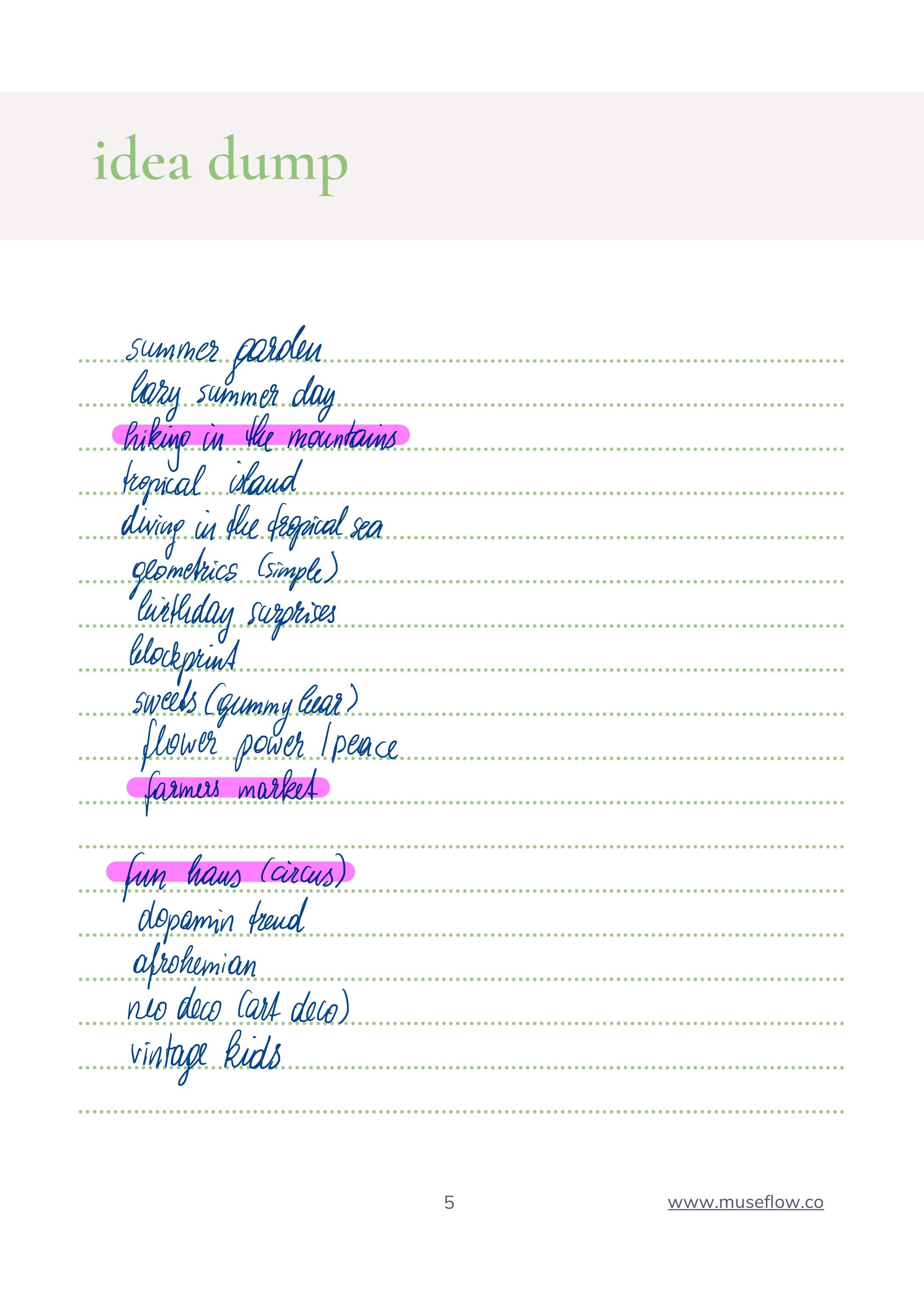
      idea dump

      1:26

    • 3.

      shortlist

      2:26

    • 4.

      clarity filter

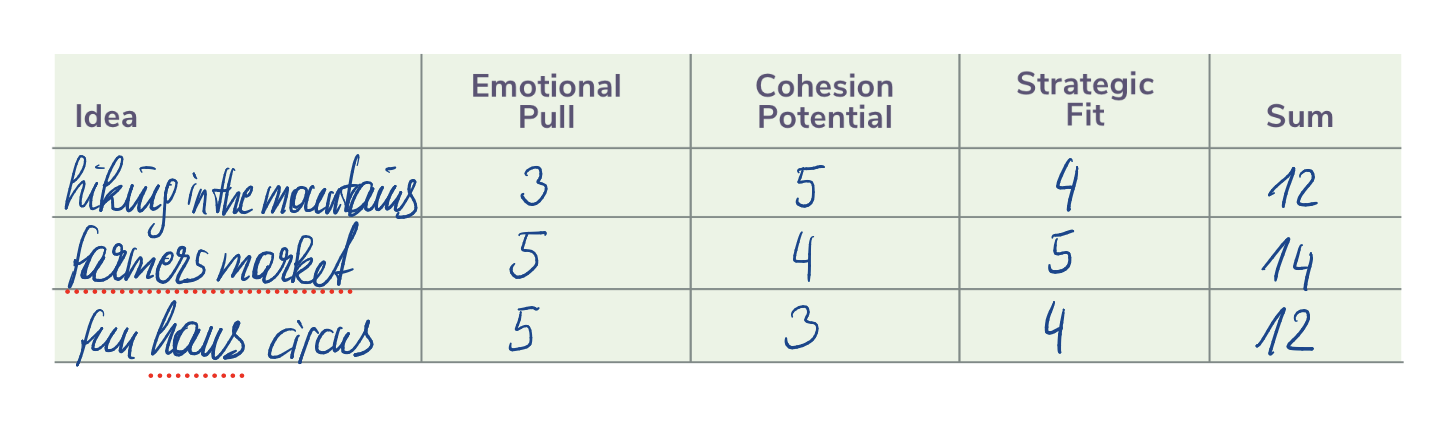
      3:50

    • 5.

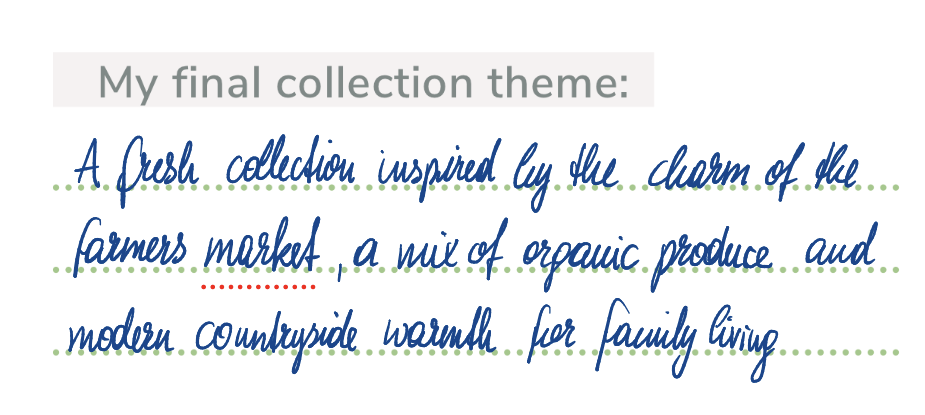
      final commitment

      2:01

    • 6.

      recap

      1:02

  • --
  • Beginner level
  • Intermediate level
  • Advanced level
  • All levels

Community Generated

The level is determined by a majority opinion of students who have reviewed this class. The teacher's recommendation is shown until at least 5 student responses are collected.

8

Students

--

Projects

About This Class

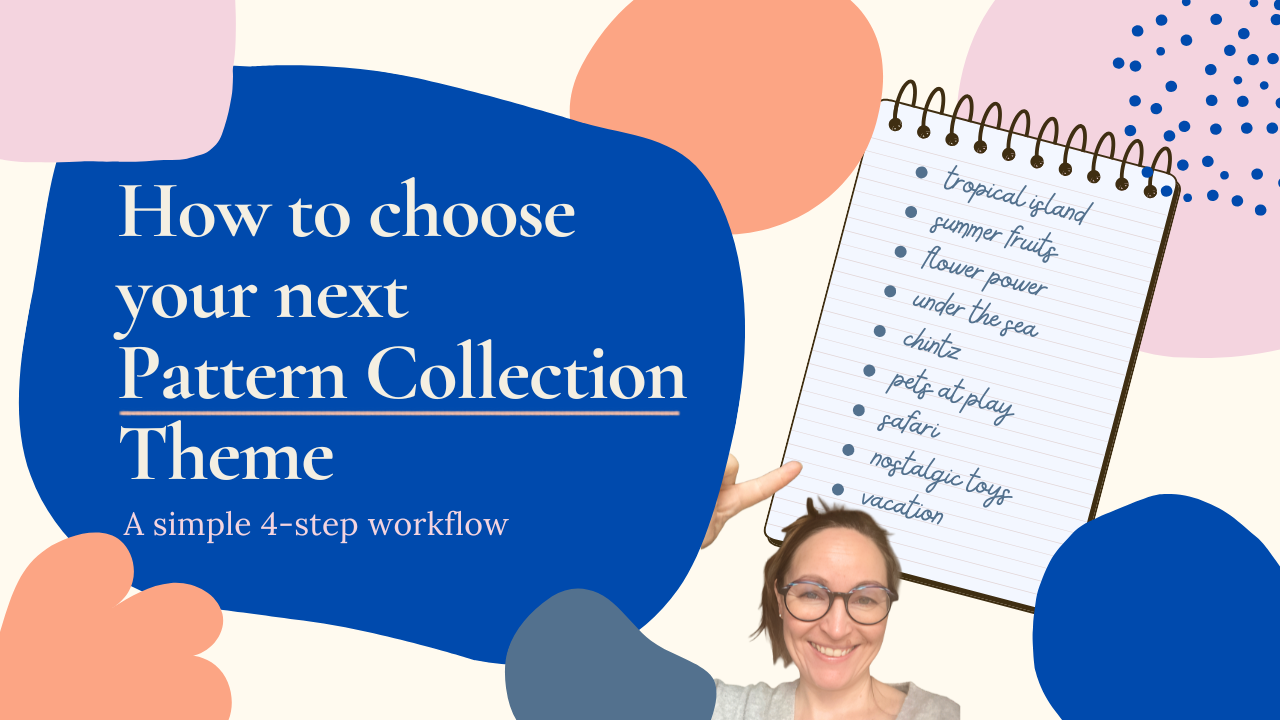
Every successful pattern collection starts with a strong theme.

In this class, I'll share the exact 4-step workflow I use to move from scattered ideas to a clear collection concept.
You'll learn how to

  • generate ideas
  • identify your strongest options
  • evaluate them using a simple scoring system
  • commit to a direction that feels both inspiring and strategic

By the end of the class, you'll have a well-defined theme, audience, and product context for your next collection, giving you a solid foundation before you start designing.

Bonus Resource

If you'd like a little extra support, I've created a free PDF workbook called From Idea to Collection. It expands on the workflow you'll learn in this class and gives you a practical framework for exploring, evaluating, and refining collection ideas.

The workbook is completely optional, you don't need it to follow the class. But it can be a helpful companion if you'd like to work through the process on paper or revisit it whenever you're planning a new collection.

You can download it for free here: From Idea to Collection

I created it as part of Museflow, where I share calm workflows, creative systems, and practical tools to help artists turn ideas into finished work with more clarity and less overwhelm.

Meet Your Teacher

Teacher Profile Image

Nicole Gabriel

Procreate Artist

Teacher
Level: Intermediate

Class Ratings

Expectations Met?
    Exceeded!
  • 0%
  • Yes
  • 0%
  • Somewhat
  • 0%
  • Not really
  • 0%

Why Join Skillshare?

Take award-winning Skillshare Original Classes

Each class has short lessons, hands-on projects

Your membership supports Skillshare teachers

Learn From Anywhere

Take classes on the go with the Skillshare app. Stream or download to watch on the plane, the subway, or wherever you learn best.

Transcripts

1. Intro: You sit down to create a new pattern collection, and suddenly, boom, you have ten ideas. All of them feel interesting, and all of them feel possible. And somehow you end up either switching directions halfway through or never fully finishing anything. And that's not a creativity problem. It's a decision problem. A pattern collection is only as strong as its foundation, and that foundation is the theme. So in this class, I'm going to walk you through a simple four steps workflow that helps you generate ideas without pressure, narrow them down with clarity, and confidently choose a direction you can actually finish and develop. This is the exact process I use in my own work. Hi, by the way, I'm Nikki. I'm a surface pattern designer, and I created this class because I personally made all of the mistakes you could make in surface pattern design. And then I made some more just to be thorough. By the end of this short class, you will have one clear committed theme for your next collection and no more decision forca. So let's get started. Let's meet in class. We 2. idea dump: Quick note before we dive in. This class is built around the workflow I created, which I also put together is a PDF guide. You can absolutely follow along without this PDF, but if you'd like to have it on hand, feel free to download it. Let's start with something very simple the idea dump. Right now we are not charging anything. We are not evaluating, we are just collecting ideas. Take a piece of paper, or I'm writing direct in this PDF. If you're curious, I have the Good Notes app, and so I can write direct in the PDF. But you can take a piece of paper, whatever works for you, and write down every possible theme that comes to mind. Seasonal ideas, nature themes, emotional moods, trends, personal memories. If it appears in your mind, it goes on the list. Give yourself a few minutes for this step, pause this video, and when you're done, you likely have a long list, and that's exactly what we want. Of course, I have prepared my list, and I'm showing you this in just a sec. 3. shortlist: Okay, do you have a long list? I have some summer themes because summer is just around the corner. And geometrics, of course, always a theme I would like to add to my portfolio and birthday and sweets and farmers market. So these are ideas I always have in my mind. And down here, I have collected some trending themes. So I'm not sure if they fit my portfolio, but I wrote them down. Okay, whatever you have on your list, we move into the first filtering step. Look at your list and choose your three best ideas. And here is how you do this. Go with a mix of what excites you emotionally, what feels visually strong, and what feels like it could actually become a full collection. Don't try to pick the perfect idea. Instead, ask yourself if I had to design only three of this list, which ones would I actually want to explore further? Some ideas will naturally feel heavier or less alive when you look at them again, and that's normal. We are not rejecting ideas. We are simply narrowing focus. Okay, I have my three favorites. So I'd like to make some hiking in the mountains theme and Farmers Market. And I'd also like to have or explore further some trending theme, and this is funhouse circus theme. So at the moment, I found this trend on Pinterest. At the moment circus in interior design is very trending. So just as a bonus tip. Okay, once you have your three, we can go through the clarity filters in the next video. 4. clarity filter: If you have my PDF, then you find on page eight a simple table where you can fill in your three favorite ideas for collections. If you don't have the PDF, just use a simple sheet of paper. Okay. And now we are going to make this decision of the three favorites a little more structured. We will evaluate every idea by using three filters, the emotional pool, the cohesion potential, and strategic fit. Okay, let's start with the emotional pool. Ask yourself, how much do you want to design this idea? And would you still enjoy working on it in two weeks or three weeks? Simply, how much does this idea feel alive for you? Rate the emotional pool 1-5 for every idea. Next one is the cohesion potential. Ask yourself, how easily can this idea become a strong collection, a strong unified collection? Think about possible motives. Can this theme generate at least five to eight different motives? And is it expandable beyond one hero print or is your idea just the hero print, and then there are no more motives? Because sometimes the excitement dies down once the hero print is designed. Rate the cohesion potential 1-5. And the last filter is the strategic fit. Does this theme align with your audience, your existing shop or your long term direction? Does it fit your existing portfolio? I often used to design for special trends because I thought, I have to do this. I have to include trends in my portfolio. But sometimes a special trend simply doesn't match your style or your usual design work. It can be frustrating when you spent hours and hours to rework or recolor your collection because it never feels finished or cohesive. But instead, it's just not your theme. Rate the strategic fit, again, 1-5 for every idea. Okay. And now let's sum up the numbers. And I have a winner. My winner is Farmers Market. So my next collection will be about fruits and vegetables and markets, baskets, harvest. If you have two ideas that score best, choose the one that excites you slightly more emotionally because execution always needs energy, good energy. At this point, you should have one clear direction. 5. final commitment: Now we take your chosen idea and make it real. This step is about definition. You are going to clearly describe your theme. What is the core idea behind it? Next, define your direction. Is it trend let, seasonal or evergreen? Then define your product context. Which product do you have in mind? Is this collection for fabric, for home decor, apparel or something else? Defining this product context does not mean that you limit the use of the collection. It simply strengthens your design decisions. And last, your audience. Who is it for? Who should feel drawn to it? Women, men, children, gender neutral. And now take all four definitions and combine them in a simple paragraph. Not as a perfect brand statement, just as clarity. For example, you could write, This collection explores da da da. It is designed for da da da and will be used for da da da. The goal here is commitment because once a theme is defined clearly, everything else becomes easier. Motives, color palette, composition, even marketing. You are no longer guessing, you are building something specific. My final theme is a fresh collection inspired by the charm of Farmers Market, a mix of organic produce and modern countryside warmth for family living. 6. recap: So let's quickly recap what we've done. You started with chaos and a mix of ideas, then you expanded them, then narrowed them down, then evaluated them with clarity. And finally, you committed to one direction. This is the exact moment where creative work becomes focused and finishable. Please upload your final collection statement to the gallery. I'd love to read about your ideas and your final decision. If you want to go deeper into turning a chosen theme into a full, cohesive collection workflow, I share more of my system inside Museflow. Along with templates and planning tools that support this process. For now, you already have what you need to begin. Take your chosen idea and start creating