Transcripts
1. Intro: Today, we're going to be
talking about blackout poetry. Blackout poetry allows
writers to create new meaning from
existing literary works. It's a creative, sustainable, accessible way to
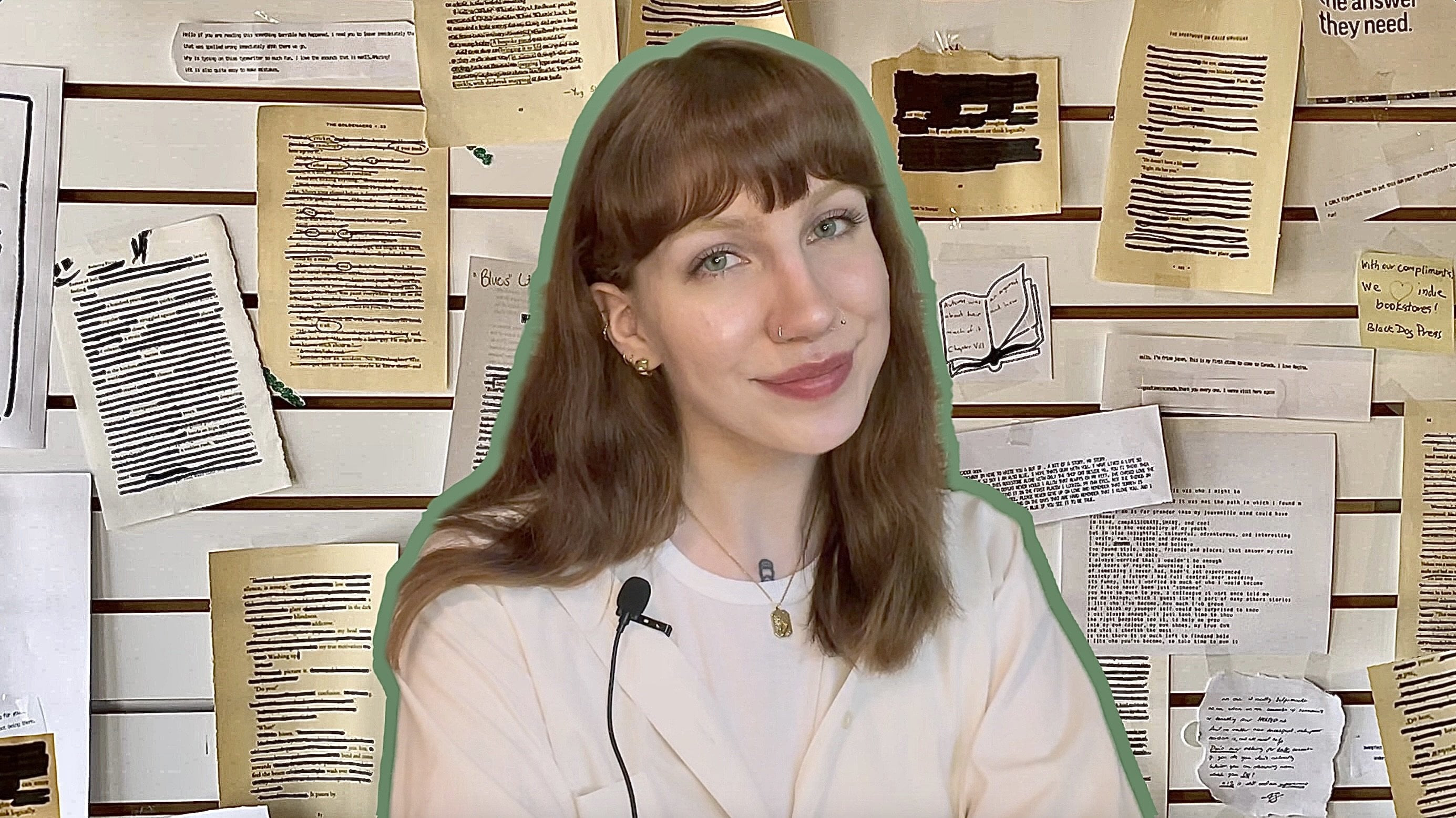
approach poetry. Hi. My name is Nicole
May and I'm a writer, filmmaker, and visual artist
based in Treaty for Canada. At the center of all my
artistic practices is poetry. Everything I do comes
back to poetry. It's led me to having
my own books published, several magazine features,
and having poem art exhibits. For the past several years now, I've also been teaching poetry. I do workshops and
classes such as this. This specific
Blackout poetry class will benefit you
if you're someone who wants to improve their poetry skills is currently experiencing
writer's block. If you're someone who likes crafting and creative exercises, or even if you're just seeking to mix up your writing routine. Together, we'll be exploring the history of Blackout poetry, how to get started on your poem, the hurdles to watch out
for with Blackout poetry, going above and beyond, and how you can blossom in the
Blackout poetry community. There will also be a class
project where you can submit your own blackout poem for
me to provide feedback on. Putting your learnings
into practice will not only
enhance creativity, but it'll open your mind to more experimental
ways of writing. With all this said, let's
get into our first lesson.
2. The History of Blackout Poetry: Our first lesson,
let's discuss what blackout poetry is and
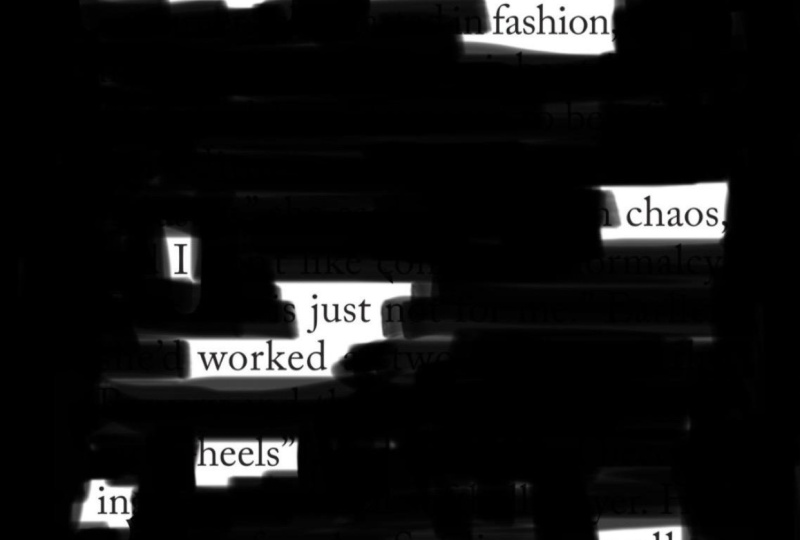
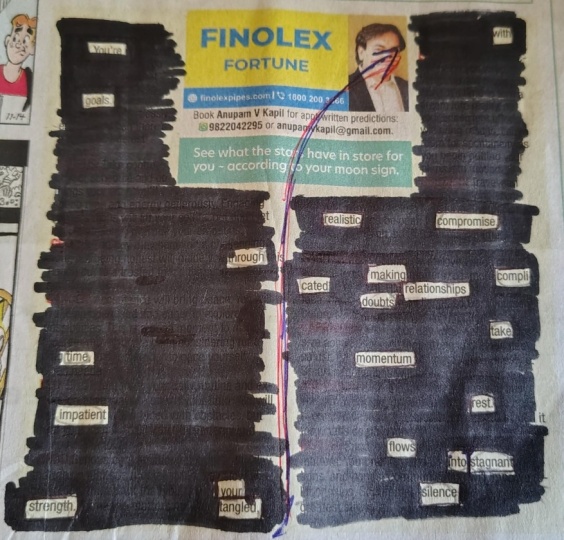
how it came to be. Blackout poetry is
the process of taking a preexisting text and blacking out words to create
your own poem from it. It's considered found poetry because you're finding
the poem within. Now, the earliest examples of found poetry came
from the 1700s. It was predominantly satirists
and humor writers that would deface newspapers to
create puns and short jokes. This being said,
Blackout poetry only gained public interest in 2010. This was because
author Austin Cleon published a book called
newspaper Blackout, where he explained and showed examples of his Blackout poems. It also coincided with a Blackout poetry tumbler blog that was rapidly
growing in audience. It was really the Internet
and online communities that got Blackout
poetry popular. Oftentimes, you'll find
that the subject matter of these poems are linked
to our politics, various activism movements,
and modern day relationships. One of the things I love
about Blackout poetry is that there's still a
lot of room to grow it. Something that's new can have
a lot of big opportunities. Given all this context, let's discuss how to start
your own Blackout poem.
3. How to Get Started on Your Blackout Poem: That we know the history
of Blackout poetry, let's talk about how
to make your own. The supplies you'll
need are a pencil, a sharpie, and a piece of written text that you
don't mind destroying. This could be a newspaper, a magazine, or an old book. To begin, you'll
want to scan through the initial one third
of your chosen page. Find a word that stands
out and inspires you. You should circle
it with your pencil so you don't lose
it on the page. Once that's done,
see if you can start piecing together a
sentence with that word. Can take quite a
while to do this. So make sure to be
patient with yourself. Once you start forming
your sentence, you'll get a good sense of what the subject matter of your
Blackout poem will be. It's important to note that Blackout poetry will
reveal itself to you. It's very difficult
to go into this with an intention or an expectation as to what you're
going to write about. Instead, you need to look at your page as if there's
a hidden poem on it. Now that you know how to
make a blackout poem, let's talk about some of the
hurdles you may encounter.
4. The Hurdles of Blackout Poetry: There are many ways in which Blackout poetry can
be challenging. Just like haikus,
Blackout poetry has specific limitations. A haiku has a total of 17 syllables with the
first line having five, the second line having seven, and the last having five again. With Blackout poetry,
you can only use the vocabulary given to
you on one singular page. The truth is, you're going to come across a lot
of texts that are very unpoetic and can't really
work for Blackout poetry. Unfortunately, it's very common
to spend a lot of time on a blackout poem that leads nowhere or has a
bunch of missing words. I know for myself, there's
been plenty of times where my blackout poem
feels almost complete, but I'm missing one
singular word like. You'll also want to be mindful
of accidental plagiarism. You can't keep complete
sentences or paragraphs of written text because then you're not technically creating
your own narrative, you're just singling out
what someone else wrote. All this to say, you'll end up making a lot of bad
blackout poetry. I know I have. It's really important to not let that
discourage you though. Have fun making messy
and incomplete poems. The more times you do, the more often you'll come away with
blackout poems that you love that are beautiful and magnificent and feel
totally worth it. Now that you know what
hurdles to expect, let's talk about how to go above and beyond with your
blackout poems.
5. Elevating You Blackout Poem: Let's discuss elevating
your blackout poetry. Some people like to make
Zens or narrative stories with Blackout poetry. Now, as you learned
in the last lesson, it can be quite difficult to choose the subject matter
of your Blackout poem. With these Zens and
narrative stories, you want every page to be
connected to each other. Every subsequent poem should
carry through the story. Therefore, the best tip
I can give you in doing this is to create Blackout poetry from a
short story collection. Short story books
are filled with all kinds of authors
and writing styles, but often have a central theme. Using these
collections to create a blackout poetry zen
or narrative story also helps to prevent plagiarism
and promote creativity. Speaking of creativity, another
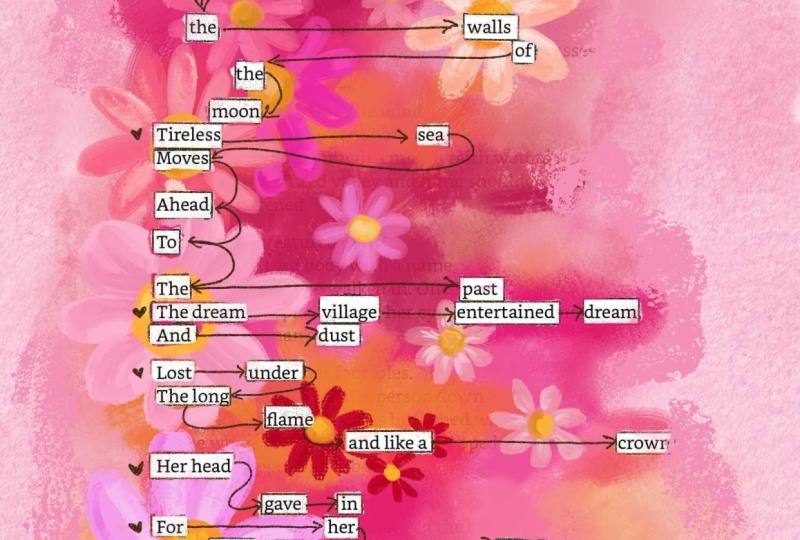
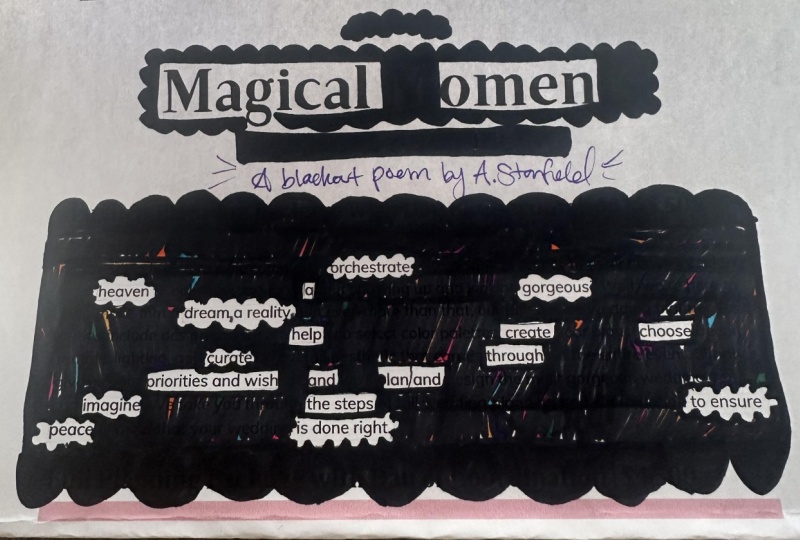
way you can go above and beyond with your blackout poem is by adding a visual to it. Here are some examples of
what other people have done. They've not only made
a blackout poem, but did blackout art as well. Now, if you're interested
in doing this, my tip to you is to circle
your poem with that pencil, as I initially
said, but then draw an image around the circled
words with a pencil as well. You'll want to make sure that
you're doing two lines for your image because
just like the words, you're going to blackout
what's around it. Basically, do with the art
what you did with the poem. These two methods, both making
a Blackout poetry story, as well as Blackout poetry art are really great ways
to go above and beyond. But it's just important to note that they're not necessary. If you'd rather
keep it simple and classy, that's totally fine. I myself love to just do the regular version of
Blackout poetry too. With all this in mind, the structure in creating
a Blackout poem, the hurdles of it, and how
to take it above and beyond. Let's get into our
class project.
6. Class Project: Now that you know the ins
and outs of blackout poetry, it's time to submit your
own to the project gallery. Just as a reminder, make
sure you have your pencil, Sharpie, and page of
text to create from. Start your blackout
poem by finding the central theme in the
first one third of your page, and do your best to find the hidden poem instead of
forcing your own narrative. If you're needing any help, you can refer back to
the previous lessons or look up examples of other people's blackout
poetry to get inspired. Once your poem is complete, make sure to submit it
to the project gallery where I'll be
checking over all of them and giving feedback. I look forward to
seeing what you create
7. Blossoming in the Blackout Poetry Community: You for submitting a blackout poem to the project gallery. If you've been enjoying this
writing practice so far, you may be wondering, what can I do with these
blackout poems? Well, for starters, art and literary magazines
love Blackout poetry. They're really effective at
breaking things up visually, especially when you have a
magazine that has a bunch of poems of the same font and
length over and over again. Another place you can put your Blackout poetry is
within a manuscript. If you're interested in
publishing your own poetry book, you can include these in that. Here's an example of a really beautiful poetry book that's integrated
Blackout poems in it. The last place I can
recommend that you put your Blackout poems refers way back to our first lesson online. There is a huge Blackout
poetry community on Tumbler and Instagram and various
other social media platforms. All you have to do is search Blackout poetry as a tag,
and they will come up. Use social media as a blog and try befriending the
writers you admire. Guess what? That's everything you need to know about
Blackout poetry. I'm going to summarize
it in our final lesson.
8. Closing Notes: Congratulations on
finishing this class. Now that we're at
the end, you should know the history of
Blackout poetry, how to create your own the
hurdles of Blackout poetry, and how you can take
it above and beyond, as well as how to blossom in the Blackout
poetry community. I hope you feel both creatively engaged and encouraged to
continue Blackout poetry. If you haven't already,
make sure to submit your own Blackout poem
to the project gallery. If you want to take another
poetry class from me, you can check out my
Skillshare profile, and if you want to stay connected with me
and my projects, you can go to my website
which is www.peachples.com. My portfolio and social
media are there as well. Thank you for taking this class and I will talk to you later. Bye. Oh
 Nicole Mae, Poet, Filmmaker, Artist