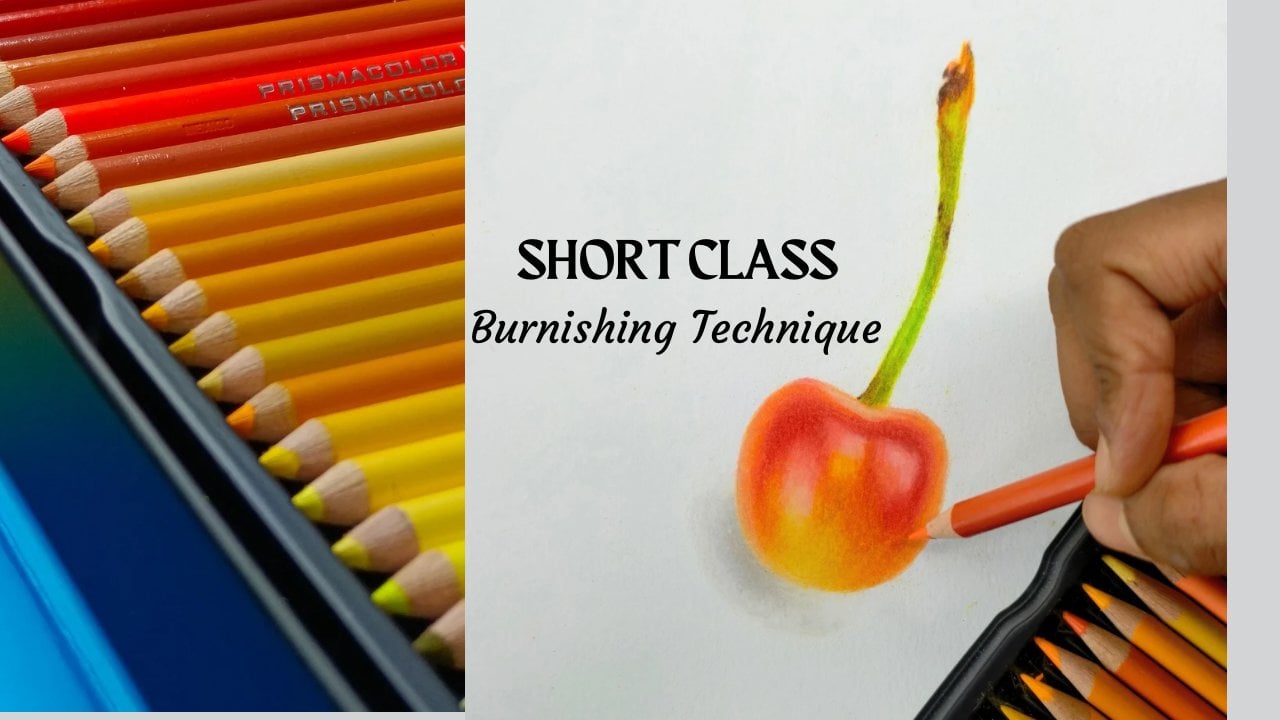
Basic Colored Pencil Techniques for Beginners: Layering, Blending, Burnishing | Smitha Rao | Skillshare

Playback Speed


1.0x


  • 0.5x
  • 0.75x
  • 1x (Normal)
  • 1.25x
  • 1.5x
  • 1.75x
  • 2x

Basic Colored Pencil Techniques for Beginners: Layering, Blending, Burnishing

teacher avatar Smitha Rao, Pencil and Pastel Artist

Watch this class and thousands more

Get unlimited access to every class
Taught by industry leaders & working professionals
Topics include illustration, design, photography, and more

Watch this class and thousands more

Get unlimited access to every class
Taught by industry leaders & working professionals
Topics include illustration, design, photography, and more

Lessons in This Class

    • 1.

      Introduction

      0:42

    • 2.

      Smooth Gradient with Analogous Colors

      10:18

  • --
  • Beginner level
  • Intermediate level
  • Advanced level
  • All levels

Community Generated

The level is determined by a majority opinion of students who have reviewed this class. The teacher's recommendation is shown until at least 5 student responses are collected.

383

Students

20

Projects

About This Class

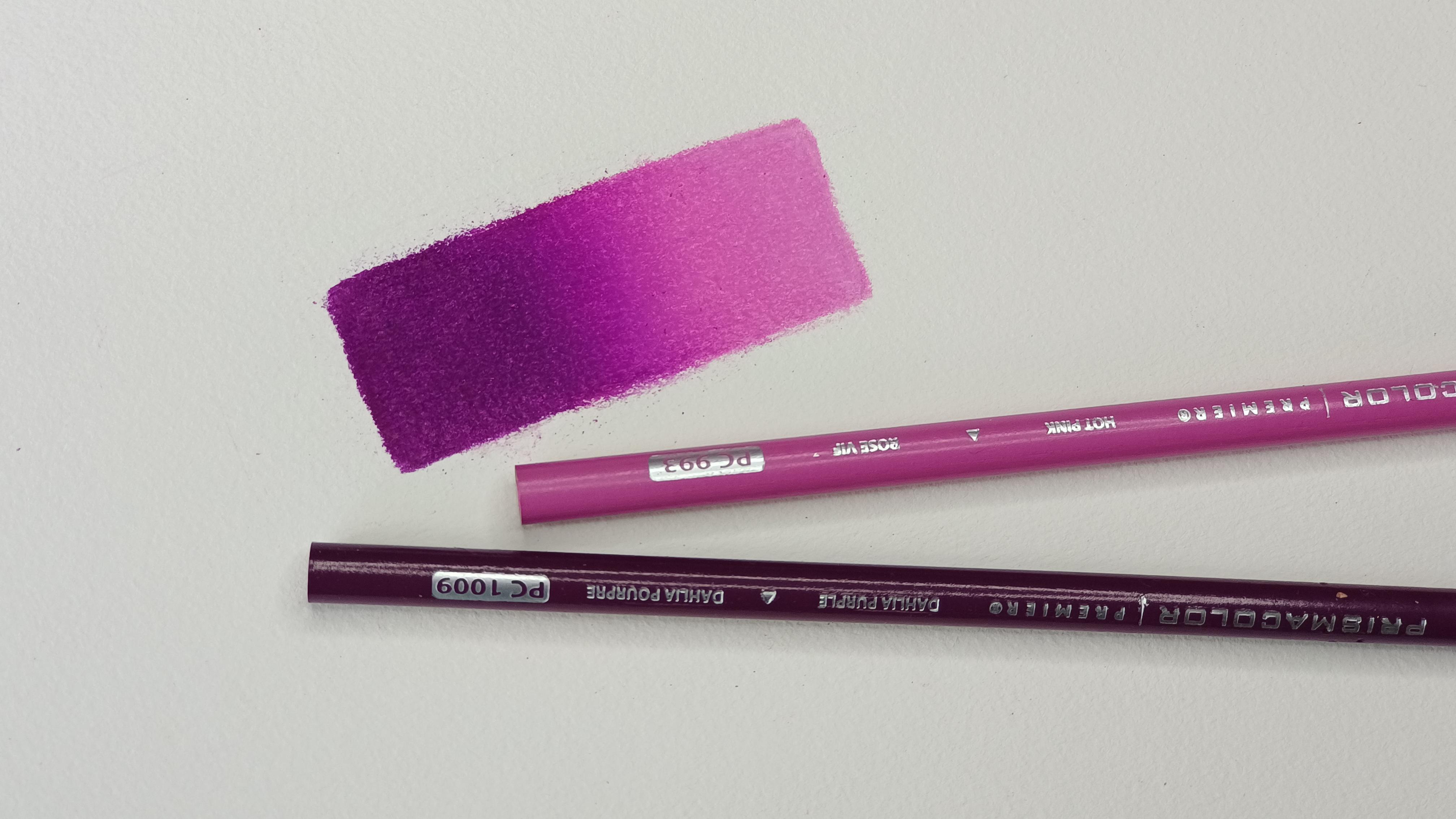
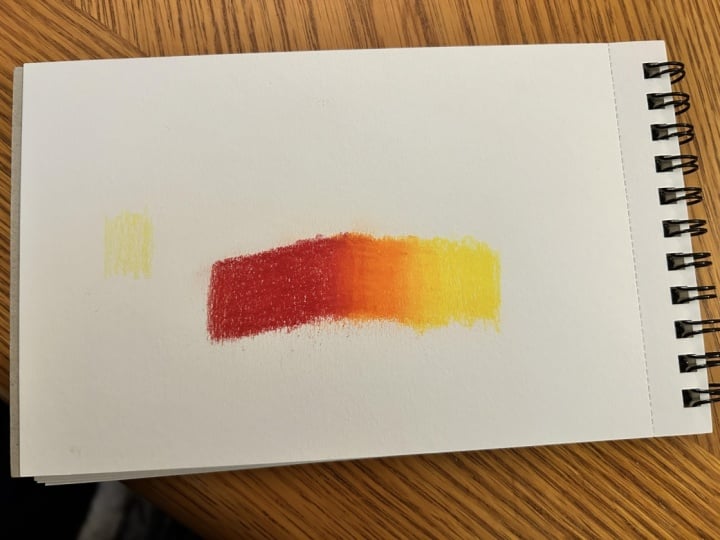
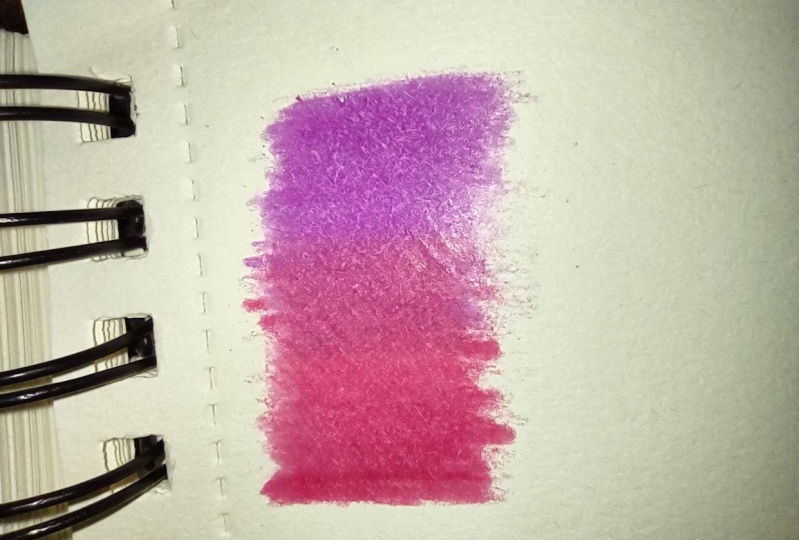
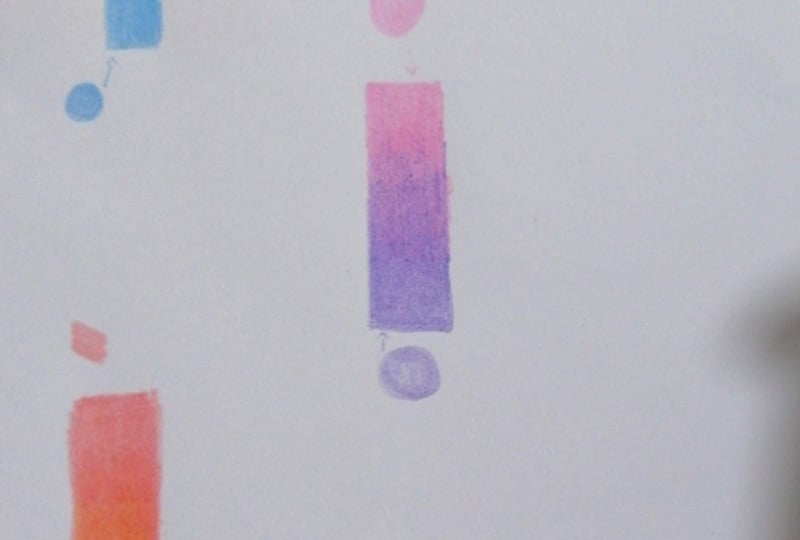
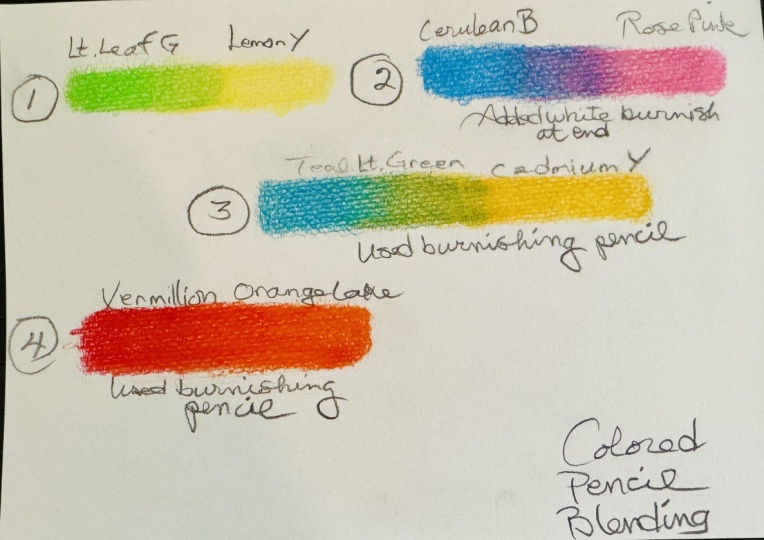
Before mastering Realistic Colored Pencil Drawings one must understand and practice the basic techniques. I will be creating a series of Short Classes, each covering a specific Colored Pencil technique which can be then applied onto any Drawing. In the first Class of this series, we will focus on blending, layering and burnishing techniques by creating a smooth Gradient with Analogous Colors
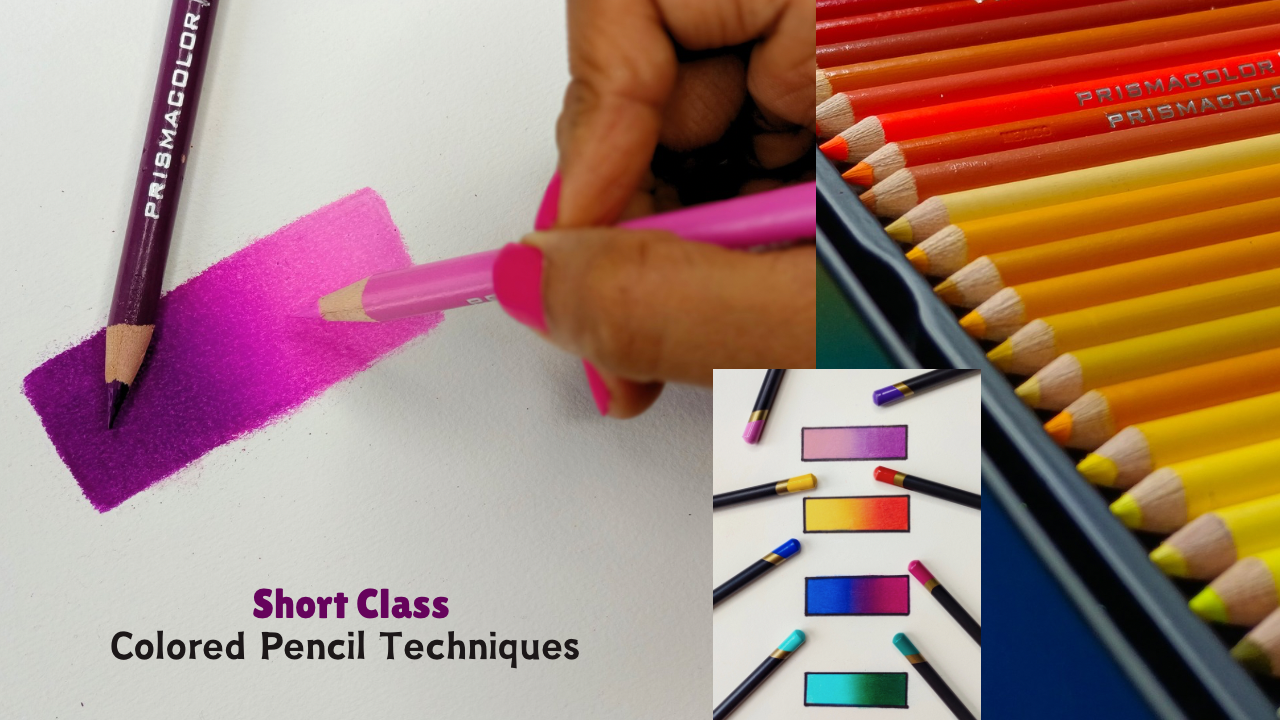
Following topics will be covered in this Class:

  • Layering Technique
  • How much pressure to apply with Pencils
  • Blending Technique
  • Burnishing Technique
  • Important Colored Pencil Tips
  • Application of the above technique to create a smooth Gradient with Analogous Colors

This Class is perfect for beginners wanting to learn Basic Colored Pencil Techniques or for those who would like to improve their skills and apply these techniques onto Realistic Colored Pencils Drawings

Materials Required:

Couple of Colored Pencils (use analogous Colors) and a Paper suitable for Colored Pencils

Please download the necessary documents from the Projects & Resources Section and join me in this Class!

Other Useful Resources:

Art Supplies that I use and recommend

More Classes in this series:

Watch this Skillshare Class to learn to apply the techniques learnt in this Short Class:

Meet Your Teacher

Teacher Profile Image

Smitha Rao

Pencil and Pastel Artist

Teacher
Level: Beginner

Class Ratings

Expectations Met?
    Exceeded!
  • 0%
  • Yes
  • 0%
  • Somewhat
  • 0%
  • Not really
  • 0%

Why Join Skillshare?

Take award-winning Skillshare Original Classes

Each class has short lessons, hands-on projects

Your membership supports Skillshare teachers

Learn From Anywhere

Take classes on the go with the Skillshare app. Stream or download to watch on the plane, the subway, or wherever you learn best.

Transcripts

1. Introduction: Struggling with basic colored pencil techniques, I've got you covered. Hi. I'm Smitha, and I've been teaching art since 2020. I will be making a series of short classes, each covering a specific colored pencil technique, which can be then applied onto any realistic drawing. In this class, I will teach you how to blend two analogous colors to make a seamless gradient. This class is made with the beginner in mind, and hence, throughout the class, I will explain how to layer with colored pencils, how much pressure to apply and also a few important tips. All right then, see you in this short but important class. 2. Smooth Gradient with Analogous Colors: I will create a smooth gradient using a purple and a hot pink. You can choose any two or three colors that are closer to each other on the color wheel. I have used wax based colored pencils and a mixed media paper. Please refer to the projects and resources section of this class for art supplies recommendations. Will add a lot of layers and then gradually blend. You need to start with extremely light pressure. So hold the pencil further up this way to achieve this. Whenever you want to increase the pressure, hold the pencil closer to the tip. Keep your pencil sharp so that the tooth of the paper is covered quickly. I will first start with a darker shade that is purple. Move your hands circularly. Add the initial few layers with very less pressure. As you move towards the center, where the two colors are supposed to overlap, try to keep the pressure to bare minimum. Next, start with pink again with light pressure. It is easier to start from the other end and then move towards the center. Ola pink and purple at the center. In the same manner, add a second layer again with light pressure with these two colors. Remember to stick to the same direction as before. For the third layer, increase the pressure a little bit, hold the pencil a bit lower than before. Notice that the pencil tips are still sharp here. If you use a blunt tip, then you tend to apply more pressure than required. So if you feel that your pencil tips are getting blunt, please sharpen them up again. Carefully overlap the two colors at the center of the gradient, moving on to the fourth layer. The steps are same as before, that is circular strokes and overlapping colors, but you need to apply medium pressure now. You can see that the paper is now gradually getting covered. Once you feel the tooth of the paper is somewhat covered, increase the pressure by holding the pencil close to the tip. What you can see now is me adding the fifth layer. Please note that although I'm applying a lot of pressure for the fifth and sixth layers, it is still not the maximum possible pressure. The number of layers that you can add also depends on the quality of the paper. Some papers are able to take in a lot of layers, so you need to judge that depending on your paper. At the center, I'm adding a lot of pink with slightly more pressure as it is the lighter shade amongst the two. I'm doing this because I want to get a smooth transition here. Now, the final step, that is burnishing. Burnishing means you apply maximum possible pressure and press the pencil onto the tooth of the paper to bring in all the pigment and layers together. Burnishing flattens the tooth of the paper. This creates a smooth effect. You can also burnish in the perpendicular direction to remove any harsh strokes if visible. Remember that burnishing should be done at the very end because it is extremely difficult to add more layers after that. At the center, if you feel the transition is not smooth enough, you can add more purple with light pressure on top of pink and then burnish with pink. So you can alternate between purple and pink depending on how your gradient looks and what color is needed more. You can also use a white pencil to blend the colors in between each layer. I actually haven't done that till the very end because adding white dulls down the pigment. You will need to add the colors again on top. You can also use a colorless blender if your set has one. A colorless blender is just a wax pencil without any pigment. You can apply this technique for such backgrounds or for subjects with analogous color schemes. But for some other subjects, this approach may not work, and you may need to layer different colors on top of each other. I will explain those techniques in the upcoming short classes. Meanwhile, please feel free to check out my other detailed classes on colored pencils and oil pastels. If you have any questions, please post them in the discussion section of this class. I'll try my best to help you out. If you have tried this gradient, please upload the same in the projects and resources section of this class. If this class was helpful, please leave a review as well. Along with your valuable feedback, you can also let me know what you'd like to learn next. Thank you for watching and see you in my next class.