Transcrições
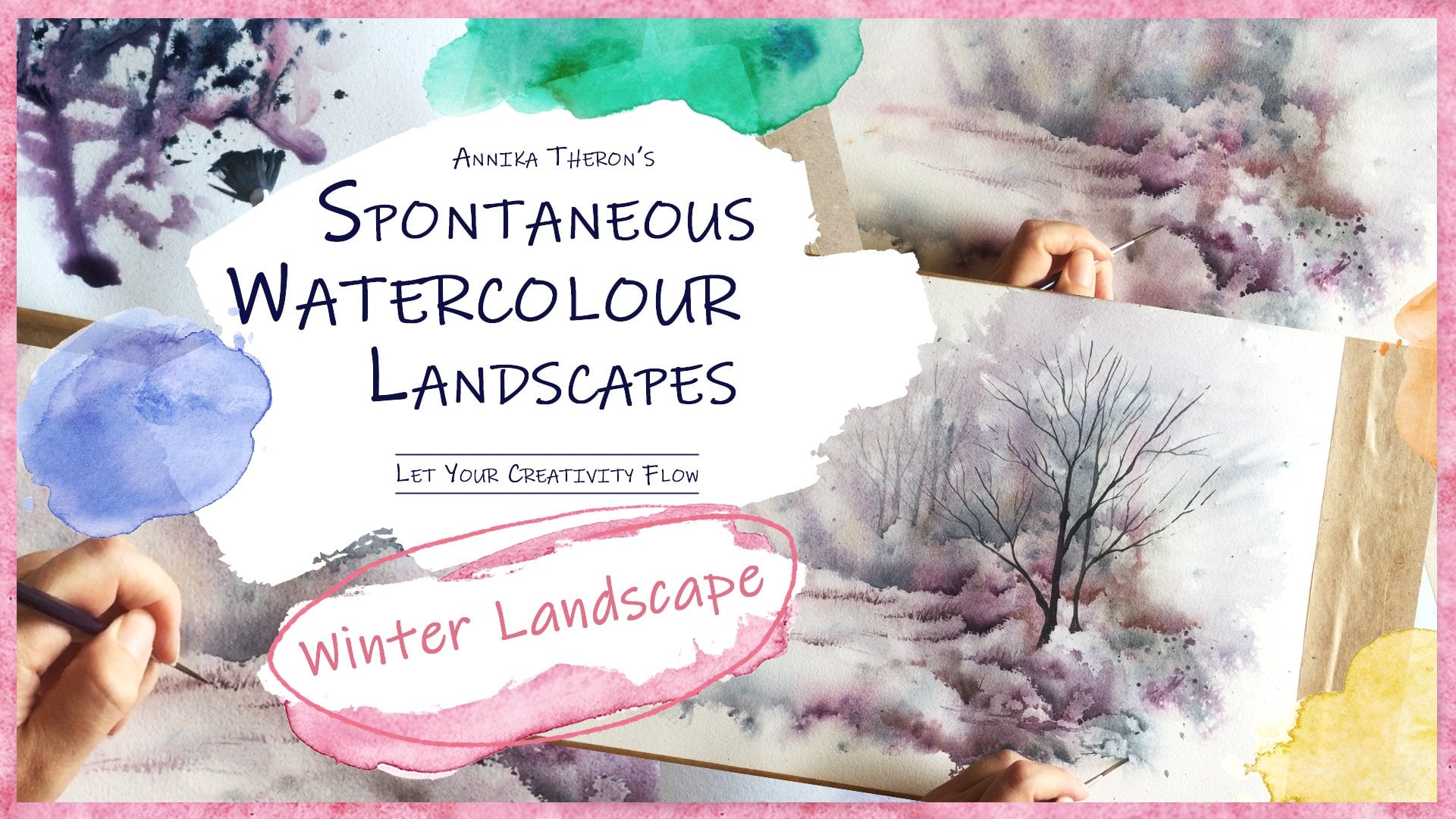
1. Introdução: Fazer enfermarias espontâneas, amarras de gala, estas são as minhas coisas favoritas para fazer. Não há nada mais divertido do que jogar largura de banda numa Bíblia e ver o que acontece com os meus nomes numa rapariga. E hoje vamos criar duas paisagens espontâneas de aquarela. Primeiro vou ensinar-lhe algumas técnicas básicas de gala de água que vamos usar neste brilho. E ele rapidamente discutir os materiais que você vai precisar. Este será um brilho de farra bem perdido para esperançosamente defasagens literárias e deixe sua mente vagar. Então, se você quiser ir deste para coletes, graduação, papel, tinta, muita água,
e estar pronto para o fluxo de criatividade mais tarde. Na próxima lição, vamos dar uma olhada nos materiais que usaremos.
2. Ferramentas e materiais: Nosso cara, primeiro humano, papel aquarela, uma variedade de pincéis, amarrar e muita água. Para a primeira ligação, usei esta fibra de bambu que comprei os presentes. Eu gostei muito desde que o feixe se espalhou lindamente através do papel e eu era capaz de levantar um pouco de cor para fora com uma escova seca. Também é muito suave, como papel off-base, que eu prefiro sobre papel de descarga, geralmente preferido por Bruce, uma espessura de cerca de 300 gramas porque eu usei muita água. Mas acho que este foi 200 gramas e funcionou bem. Eles precisam esticar o Baraboo antes de pintar, você vai precisar de um bloco de madeira ou algo para montar. Vou usar algo assim que você pode comprar em uma loja de ferragens ou em uma instalação bancária e usar fita adesiva para colocar o papel no lugar. Se você não está familiarizado com o alongamento papel
aquarela e vá dar uma olhada na minha outra cláusula, onde eu tenho uma lição inteira sobre como esticar seu papel. Para a segunda ligação, eu uso um papel de 300 gramas que veio em um bloco de aquarela. Blocos de aquarela são legais porque você não precisa esticar a Bíblia de antemão. Você nos liga diretamente para o bloco e foi levantado por caldo quando você está pronto, este papel foi chamado de braçadeira, que significa que ele tem um pouco de uma textura, é Honors não o meu favorito, mas eu decidi tentar algo diferente. Eu usei uma variedade de pincéis diferentes para os projetos. Eu uso este grande pincel plano para molhar o papel antemão e cair da cor no início. Então eu uso a combinação de pincéis
redondos e planos para adicionar mais cor e levantar nossos estudiosos para criar efeitos diferentes. Também usei esta escova de ventilador, que eu gosto de usar analgésicos de desagrado, e para fazer um dia de urina do Ross. E, finalmente, um dos meus favoritos é o pincel de rigor. Tem uma linha tênue. R é perfeito para fazer árvores. Ações erradas e todos os tipos de outras coisas para os bancos não são hispânicos. Sim. Agora eu fui até ele no Brown do cliente porque eu comprei um tempo atrás. Só sei que eram anúncios de marcas verdes. Prefiro comprar tintas em tubos. E então o que você faz é espremer em baladas, deixar secar por cerca de um dia. E então você adiciona essa balada que está sempre pronta. Então você sempre pode pulverizar água em auxiliares e limpar essas áreas. Mas então você tem todas as suas cores lindamente organizadas e sempre pronto para usar. Depois, quando terminar, certifique-se de que tudo secou completamente. Então você pode fechar o suficiente. Agora não estamos curvos. Caso contrário, tenho dois recipientes de água como este. Ele sempre ajuda a ter também, porque você pode usar os escovas Digi um fluxo. E então você ainda tem água limpa se você quiser adicionar um pouco à sua ligação. E outra coisa que eu uso muito é uma garrafa de spray só para adicionar um pouco de água à minha patente. E a última coisa que você precisa é Baguadao vai, em algum momento você está obrigado a percorrer toda a sua Bíblia. E ela ficará feliz em ter isso. Agora que isso resolvido se encaixa para obter algumas técnicas básicas que irão ajudá-lo.
3. Técnicas de aquarela: Então aqui temos três tipos diferentes de papéis esticados em uma placa. Queria mostrar-te como diferentes papéis têm efeitos diferentes na tua pintura. À esquerda, eu tenho um 100% puro de 300 gramas de papel quente. Isto é garantir o meu papel de escolha como eu uso um monte de água. E obter papel é ótimo para isso. Por Biden folhas grandes que eu cortar de acordo com o tamanho são necessários. No meio eu tenho uma peça tirada de um livro de esboços em aquarela, que eu diria que era cerca de 200 gramas. E preciso de 25 por cento de fibra de algodão. O resto é rude bulbo. No caso de você se perguntar, quando eu pinto diretamente em um caderno de esboços, meu papel sempre partículas. Esta é a primeira vez que eu pego uma folha de
distrito e estou curioso para ver o que vai acontecer. À direita. Eu tenho um pedaço de papel retirado de um caderno de rascunhos de mídia mista que pode ser usado para aquarela, acrílicos, lápis e qualquer coisa. São 160 gramas e não sei do que é feito. Eu parei de comprar cadernos como este porque é impossível obter os mesmos resultados sobre isso que você vai obter em papel aquarela par. Eu adicionei isso porque eu sei que muitas pessoas têm esses cadernos, especialmente quando eles começam. Primeiro, eu só fiz o meu buy-in pincel em um monte de ligação e período no papel seco. Agora, se eu entrar com água limpa por baixo disso, vocês verão como os diferentes papéis têm um efeito diferente sobre as dores. Em seguida, eu vou esperar e área e soltar algum painel para mostrar como esperar na largura será semelhante. Aqui você pode ver claramente uma diferença entre os diferentes tipos de papel e como o banco se espalha em ajudas. Outra técnica que eu gosto de usar é desagradar algumas dores. Tomando uma escova de ventilador alertado com muita tinta e água. E enquanto mantenho meu risco firme, eu aperto meu braço para criar status. Você pode ver a diferença entre onde a rede cai no papel seco e nas áreas molhadas. Dependendo de quão bom seu papel facilidade, você terá resultados diferentes. Outra técnica divertida que eu não usei nesta aula é adicionar sal. Tente sal fino e grosso para ver quais são os resultados. Deixando cair em água limpa ou salpicando água limpa enquanto você está pintando, você ainda espera. Vamos afastar um pouco da ligação para criar defeitos com os quais você vai trabalhar. Apenas uma última coisa que eu gostaria de adicionar é o efeito criado ao cair em todos os objetivos. Alkyl vicioso bancou muito mais dramaticamente do que a água. Isso só funciona enquanto o bebê ainda está pesando. Mas você pode obter efeitos realmente agradáveis se você quiser limpar áreas
longe onde você já caiu em algumas dores. Agora esses três quadrados podem não parecer muito. Mas eu sugiro que se você tem diferentes tipos de papéis por aí, vá aplicá-los primeiro, sabendo como você está ligado para reagir em diferentes tipos de papel e com diferentes quantidades de água, você terá uma melhor compreensão do que esperar ao pintar. Todas as coisas dele levam tempo. E uma vez que você faz alguns destes para ter uma idéia melhor do que esperar. Quando você começa, pode ser bastante frustrante. Custo mais barato por, nós apenas não vamos dar-lhe os mesmos resultados que o papel aquarela de alta gravidade. Obviamente, você quer praticar no GBA por VR porque você vai cometer um monte de erros no início, mas seus resultados provavelmente não se parecem o tutorial que você está seguindo feito em maior qualidade por minha sugestão é que você trabalha com o que você tem que estar ciente das limitações. E uma vez que você está confiante, tenta algo novo. Infelizmente, não há excesso rápido de Judy. Leva tempo, prática e pacientes. Na próxima lição, começaremos com nossa primeira paisagem.
4. Paisagem 1: como colocar as cores: Começamos por ponderar o papel. Você pode usar um pincel grande ou resposta. Certifique-se de ler o jornal inteiro. Com objetivos, o banco só vai com premiados. Tomando uma grande gota de pincel nas cores que você quer usar onde paisagem, porque eu estou cercado por Bushveld. Escolhi cores mais amareladas e acastanhadas porque é isso que estou acostumado a ver ao meu redor. Eu gosto de adicionar um pouco verbal para contraste. E isso ajudará com sombras em áreas de cães mais tarde. Agora, porque esta é uma paisagem espontânea, você pode tricotar o banco onde quiser. A ideia é deixar o cérebro fazer o seu trabalho e depois tirá-lo da Bay. Dito isto, ainda ajuda ter uma ideia geral de como você quer que sua paisagem se pareça. Ele pode ver que eu estou apontando para uma linha de árvores e uma área na frente do emprestado e para adicionar algumas pedras e gramíneas. cair em água limpa, seja com a escova ou com uma garrafa de pulverização irá ajudá-lo a dispersar o avião ainda mais. Neste ponto, meu papel é um pouco não, é porque eu quero a tensão que você corre para o fundo para que a parte inferior da minha linha de árvore é mais escura que a parte superior. Decidindo que eu queria adicionar mais verde. Deixei cair um pouco com o meu pincel diretamente, bem
como manchas com um pincel. O papel no topo me impede de ser abatido, banido por toda a minha mesa. Agora é importante notar que,
dependendo do seu tipo de fibra e da quantidade de água que você usou, seus resultados ligeiramente muito diferentes. Os slots verdes são reservados muito bem para mim, mas tinha meu bebê ser um pouco mais tarde, se você teria misturando completamente com os arredores e provavelmente desapareceu. Este é o ponto em que é fácil continuar a adicionar água e ligar. Mas fazer muito disso resultará em uma bagunça enlameada. Já que tenho muita água no fundo, mudei um pouco. Você cria uma área ainda maior do que vai ser um campo. Usando o pincel plano seco, vivi algumas áreas onde quero que a linha das árvores comece. Este é um bom momento para mergulhar em água limpa. Isso irá dispersar Alguns da ligação e gradualmente corrigir para trabalhar com mais leve. Mais uma vez, se o achado ainda estiver no peso, ele não terá o mesmo efeito e talvez seque. Não terá efeito nenhum. Através de tentativa e erro. Você aprenderá a julgar quando é o momento certo para espirrar mais água deixada de fora ou quando adicionar mais caixas. Usando o pincel plano seco, Eu sequei novamente e criar algumas gramíneas movendo a curva para cima em áreas onde eu sinto que as vidas são fazer em linha reta. Este é um bom momento para parar e afastar-se por alguns minutos e levar os pequenos pedaços bipolares secos. Você ainda quer que seja estranho adicionar mais efeitos, mas não com isso, todos os jardineiros se esbarram.
5. Como tirar pedras e grampos: Usando um pincel redondo seco, vivi em algumas dores para criar pedras. Certifique-se de secar o pincel Entre vai. É aqui que a qualidade do seu bipolar faz grande diferença. Se você está usando mídia mista por papel ou algo de um caderno de esboços que não é da melhor qualidade, a cerveja que provavelmente não estamos tirando isso. Bem. Estou usando uma Bíblia de bambu, que eu acho ser muito semelhante à fibra de algodão no sentido de que é muito indulgente, foi adicionar e remover água. Usando um pincel normal. Eu guardo este apartamento na Bíblia, leio mais algumas texturas brasileiras. Ainda usando meu rigor, adiciono mais entre as rochas para ajudá-las a sair. A chave para este cão de ligação é ter algumas áreas que são detalhadas em algumas áreas que são soltas e abstratas. Agora que estou feliz com alguma seção inferior, eu menti para minha ligação para secar completamente. Próxima parada irá mover-se para a linha da árvore e começar a definir em algumas formas, lá.
6. Comece a fazer arbustos e árvores: O papel tem desenha completamente e eu estou procurando áreas para
empurrar para trás e para trazer para a frente para dar a ilusão de árvores. Aqui você pode ver o que acontece quando você coloca a compra no drive-by br para misturá-lo? Eu adiciono mais água. Eu faço isso em mais áreas onde eu queria que fosse mais escuro. Primeiro são a ligação e, em seguida, entrar com um pincel de peso limpo para movê-lo para que você possa desvanecer-se nos arredores. Outra maneira é ler a área primeiro e depois adicionar a banda. Aqui novamente, estou adicionando mais detalhes para fazer a rocha se destacar enquanto espera que as árvores de fundo sequem. Envelhecimento bem para uma parte das ligações secas. Você pode ir e voltar, adicionando aqui e ali, trazer mais formas. Na próxima seção, vamos adicionar um céu.
7. Como pintar um céu: Para adicionar um céu, novamente, use um pincel limpo para pesar a área. Deixando cair um pouco azul. E lembre-se de que a tinta secará muito mais leve. Certifique-se de dispersar áreas que estão muito concentradas caindo em mais água. Aqui, eu decidi que eu não gostava disso, mas como eu fiz antes, e eu decidi misturá-los com água limpa, cabe completamente a você quão abstrata versus quão realista você quer ligá-lo a ser. A idéia desta cláusula é apenas brincar e ver o que acontece depois de um tempo. Vá em frente e brinque um pouco mais. Na próxima seção, vamos começar a adicionar árvores.
8. Como adicionar árvores e detalhes finais: Agora é hora de começar a desenhar em algumas árvores. Usando meu pincel regular, eu começo a adicionar as gotas das árvores traseiras. No começo eu faço isso muito levemente porque eu poderia vir mais tarde e mudá-los. Este lugar é realmente para o seu criativo. Defini as formas e as transformei em árvores. Lembre-se que a escala não tem que ser a data de nascimento. Isso é tudo sobre se divertir e brincar com o que você tem. Ok? E essa é a paisagem espontânea de aquarela. Espero que tenham gostado desta atividade e estejam prontos para a próxima parte. Nós nos deixaremos doentes e paisagísticos.
9. Paisagem 2: como colocar cores: Novamente, começamos com a ponderação do papel inteiro. Deixando alguns companheiros com esta paisagem. Eu não tinha nenhuma idéia em mente. Deixei o avião fazer a sua própria coisa. Adicione mais água para deixar o pined correr e talvez mais
alguns respingos para dar alguns efeitos diferentes. Lembre-se, você pode usar o pincel limpo e seco para levantar algumas cores, mas vai funcionar. Beta um assinante tentou um pouco mais. Está bem? Está bem. Quando estiver satisfeito com as cores, tente adicionar algumas gotas de água mais claras para criar ainda mais texturas para trabalhar mais tarde. Tente não fazer cada papel ainda é muito esperar. Em retrospectiva, eu provavelmente poderia ter parado aqui, mas é sempre difícil seguir seu próprio conselho. Você pode tentar pincéis diferentes para ver quais formas eles farão. Está bem? Forçar-se a parar e deixá-lo secar completamente.
10. Como dar arbustos e árvores: Agora é hora de definir algumas formas. Mais uma vez, eu dispersei a tinta, Eu lancei para baixo no papel, passando por cima de cada foi comprado morte. Estou vendo se posso definir algumas áreas rochosas e talvez algumas cruéis. Quando você torna a área mais escura, tentou usar a mesma cor que a área que você está pintando sobre. Isso é verde em áreas verdes e marrom em áreas marrons e assim por diante. Depois de definir algumas formas, tentei colocá-lo alguns troncos de árvores em lugares para ver se você tem algo para trabalhar com. Lembre-se, você sempre pode entrar com água limpa e remover áreas que você não gosta. Mas para chegar a algum lugar, você tem que começar em algum lugar. Se você sentir que está ficando preso em um barco. Passar para outra parte. Você sempre pode voltar mais tarde para experimentar diferentes pincéis para diferentes defeitos. Está bem. Isso é um fundo esquerdo meu, Eu tenho algumas formas de rocha, mas as gotas de água desde cedo e criá-lo. Então eu decidi trabalhar com ele e, mas procurar formas que já estão presentes e melhoradas. Você pode fazer a árvore se levantar tudo escurecendo a barra de botões H, fazendo os vasos de botão e deixando a caixa superior onde a luz solar os arranca. engrenagem mais leve lhe dará uma aparência mais 3D. Quando você se sentir preso ou adicionando mais salpicos de compra para ver o que acontece. Eu gosto de usar um pincel fino para tirar alguns óculos. Mas brinca com, mas você tem a doença.
11. Como adicionar rochas e como definir árvores: Você sempre pode adicionar mais vinculação e adicionar áreas completamente novas à sua paisagem. Senti que este era muito semelhante ao anterior e decidi colocar em um afloramento rochoso extra. Para um efeito mais dramático, eu caí em todo o objetivo de afastar os bancos. É sempre divertido brincar com coisas diferentes. Por exemplo, você pode adicionar sal e ver quais efeitos isso lhe dará. Bem, uma área de pintura, o seu caminho para outra. - Sim. Cavaleiros DOM para se perder na pintura. Tenho mais troncos de árvores sobre pedras e tirar as balas do obturador das árvores Docker. Estressante. Vês, obrigado. Está bem. Vai ser
a próxima parte. Trabalharemos com o lado direito da página.
12. Montanhas e detalhes finais: Na última seção, eu apenas adiciono alguns detalhes ao plano de fundo. Transformei-o numa montanha. Mais uma vez com a área onde você quer que a dor flua e use muito pouca dor para manter a área olhando desbotada e distante. Apenas adicionando alguns toques finais aqui e ali. Sim. Ok. Ok. Afaste-se, volte e, eventualmente, forçe-se a parar antes de sobrecarregá-lo. E uma vez que você está feliz. Paisagem número dois. Na lição final, faremos uma breve recapitulação. Algumas etapas que você pode seguir para fazer isso sozinho.
13. Wrap-up e Wrap-Up: Sim, os coelhos têm uma cláusula divertida. Espero que tenha gostado. Ouvi dizer que você foi capaz de relaxar, deixar ir, e deixar sua criatividade correr livremente. Agora é uma coisa seguir junto com o
lapso de tempo e uma coisa totalmente diferente para ir e fazer você mesmo. Aqui está uma recapitulação das etapas básicas que você pode seguir. Restante. Será ligeiramente diferente para cada ligação, mas geralmente, você pode tentar o seguinte. O primeiro dos quais de bipolar na área que você quer que a dor flua. Lembre-se, a tinta só fluirá onde os juncos de água caem em uma variedade de cores com um pincel grande, brincar com luzes e cães dependendo do humor que você deseja criar. Você pode inclinar seu papel para deixar a água fluir e pulverizar prato sem água com uma garrafa de spray ou até mesmo espirrar alguns com seu pincel. Neste ponto, você também pode adicionar tinta movida. Lembre-se de que parecerá completamente diferente, está seco. Então, neste ponto, ainda
é muito difícil julgar como seus resultados serão. Este é um bom momento para deixá-lo secar um pouco. Aguarde até que a maior parte do xin seque. Porque se você tentar levantar a cor quando ainda está para esperar, ele não terá efeitos. Este é o momento perfeito para levantar pedras. Lembre-se de usar um pincel limpo e lembre-se também que sua capacidade levantar
a cor dependerá da qualidade do seu papel. pintura literal seca completamente antes de passar para o próximo estado. Agora que tudo secou, você pode começar a definir mais formas. Você pode criar arbustos ou árvores, empurrando para trás algumas áreas adicionando mais banda. A diferença entre a área escura que você empurrou para trás e a área clara definirá seus arbustos. Troncos de árvores em espaços abertos para criar árvores. Você pode brincar fazendo aglomerados de árvores em uma área, ou talvez uma árvore semana em outra área. Ao escurecer os lados inferiores de suas árvores, você vai dar-lhes uma aparência mais 3D como os topos das árvores são mais leves com um refletir o sol eo sob BOD ainda ocorrem na sombra. Além disso, você pode tentar salpicar algum objetivo antigo enquanto a tinta ainda é esperar para dispersar sub-banda e criar efeitos interessantes para trabalhar com. Lembre-se, a idéia é apenas brincar e se divertir. Quem sabe? Talvez essa turma te provocou a fazer algo diferente. Não sou uma nova técnica para sua caixa de ferramentas. Por favor, vá em frente e faça o upload de suas fotos e me diga como ele espera. E depois vejo-te na próxima cláusula.
 Annika, Illustration | Painting | Digital Art